
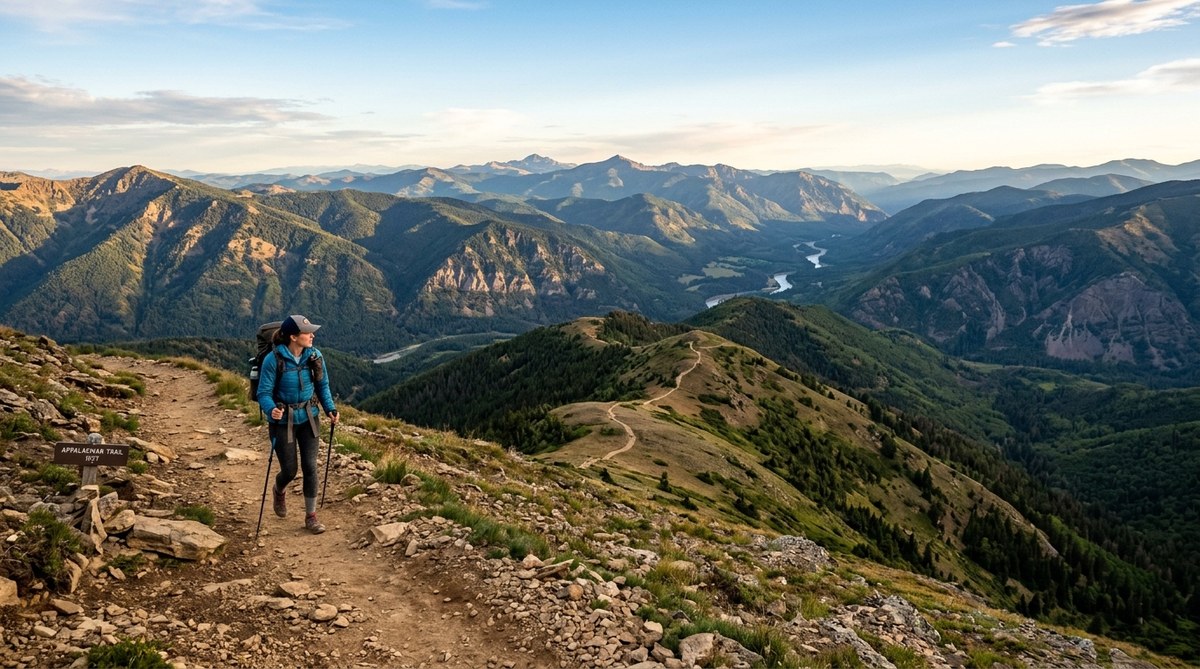
The best kind of history lesson doesn’t happen inside a museum. It happens when you lace up your boots, step onto a dirt path, and walk the exact ground where explorers, pioneers, and messengers once stood. America is crisscrossed with trails that tell stories. Some follow rivers that Lewis and Clark mapped by hand. Others trace the desperate routes of gold seekers or the hoofbeats of the Pony Express. If you are a history enthusiast or an outdoor adventurer planning a trip that combines scenic hiking with learning about American heritage, these trails offer both. They let you feel the past under your feet while soaking in landscapes that have changed little since those early journeys.
America’s historic hiking trails let you walk in the footsteps of explorers, pioneers, and indigenous peoples. This guide covers seven of the best routes that blend scenic beauty with deep cultural history. You will learn what to expect on each trail, how to prepare, and which sections offer the most rewarding views and stories for 2026.
Why Walk a Historic Trail?
Hiking a trail that carries historical weight changes your perspective. You are not just looking at a pretty view. You are standing where a family in a covered wagon decided to push west. You are crossing a river that a Native American tribe used for generations before settlers arrived. The landscape becomes a living textbook.
These trails also tend to be well maintained. Many are part of the National Trails System, which means they have clear markers, regular upkeep, and visitor centers where you can learn more. You do not need to be a seasoned backpacker to enjoy them. Some segments are short day hikes. Others stretch for hundreds of miles if you want a longer challenge.
If you are new to this kind of trip, check out our guide on top tips for planning a safe and enjoyable trail hike. It covers the basics like packing layers, checking weather, and telling someone your route.
How to Choose Your Historic Hike
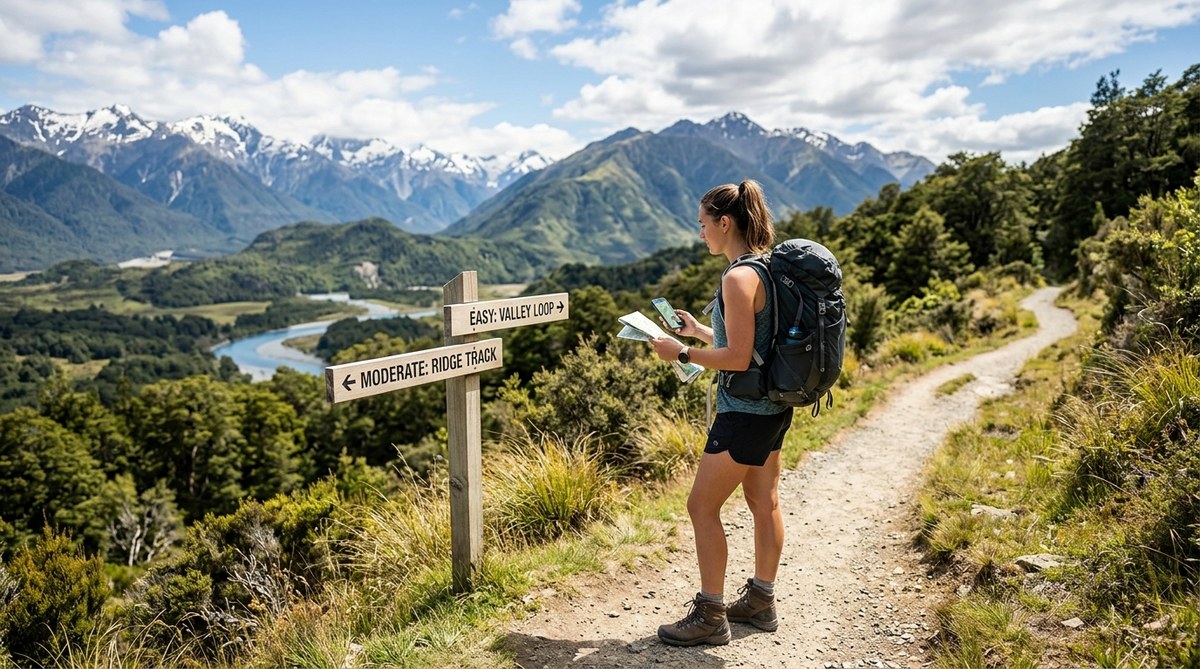
Picking the right trail comes down to three things: your fitness level, the time you have, and the type of history that interests you. Some trails are flat and easy. Others climb into mountains. A few are better for a short afternoon walk, while others reward multi day trips.
Use this table to match your goals with the right trail:
| Trail Name | Best For | Difficulty | Recommended Segment |
|---|---|---|---|
| Lewis and Clark | River scenery and exploration history | Easy to moderate | Fort Clatsop to the Pacific Ocean |
| Oregon Trail | Emigrant stories and prairie views | Easy to moderate | Independence Rock area in Wyoming |
| Pony Express | Short, historic waypoints | Easy | St. Joseph, Missouri to Marysville, Kansas |
| Nez Perce (Nee-Me-Poo) | Indigenous culture and mountain terrain | Moderate to strenuous | Lolo Trail in Idaho |
| Iditarod | Winter hiking and sled dog history | Strenuous | Any section near Anchorage |
| Captain John Smith Chesapeake | Water trails and colonial history | Easy | Any paddle friendly segment |
| Ala Kahakai | Ancient Hawaiian settlements | Easy to moderate | Pu’uhonua o Honaunau to Kealakekua Bay |
1. Lewis and Clark National Historic Trail
This trail follows the route of the Corps of Discovery from 1804 to 1806. It stretches from Wood River, Illinois to the Pacific Ocean in Oregon. You can hike, bike, or paddle parts of it. The most scenic sections run along the Missouri River in Montana and through the Bitterroot Mountains.
What makes this trail special is the variety. One day you are walking through prairie grass. The next you are in dense forest. You can visit reconstructed forts and see the exact spots where Meriwether Lewis and William Clark made camp. For a great day hike, try the segment near Great Falls, Montana. The river views are stunning, and you can see the falls that forced the expedition to portage their boats.
If you want to extend your trip, read about how to plan a multi-day hike on the John Muir Trail in 2026. The planning principles are similar, even if the terrain is different.
2. Oregon National Historic Trail
The Oregon Trail is the classic American story of westward migration. Between 1840 and 1860, over 400,000 people traveled this route in search of land and opportunity. Today, you can walk sections that still show wagon ruts carved into the earth.
The best places to see those ruts are in Wyoming and Idaho. The area around Independence Rock is a favorite. You can touch the rock where emigrants carved their names. The trail is mostly flat and open, which makes it a good choice for beginners. You will need to bring your own water because shade is scarce on the prairie sections.
For more ideas on easy routes, look at our list of best hiking trails for beginners: start your outdoor adventure today.
3. Pony Express National Historic Trail
The Pony Express operated for only 18 months in 1860 and 1861, but it became a legend. Riders carried mail from Missouri to California in just ten days. The trail runs nearly 2,000 miles, but you do not need to hike all of it.
Short segments near the original stations are perfect for a day trip. The section between St. Joseph, Missouri and Marysville, Kansas is well marked and easy to navigate. You can visit rebuilt stations and imagine the young riders switching horses at full gallop. This trail is ideal for families or anyone who wants a light hike with plenty of photo opportunities.
4. Nez Perce (Nee-Me-Poo) National Historic Trail
This trail tells the story of the Nez Perce people and their flight from the U.S. Army in 1877. It follows their 1,170 mile route across Oregon, Idaho, Wyoming, and Montana. The landscape is rugged and mountainous, which makes it one of the more challenging trails on this list.
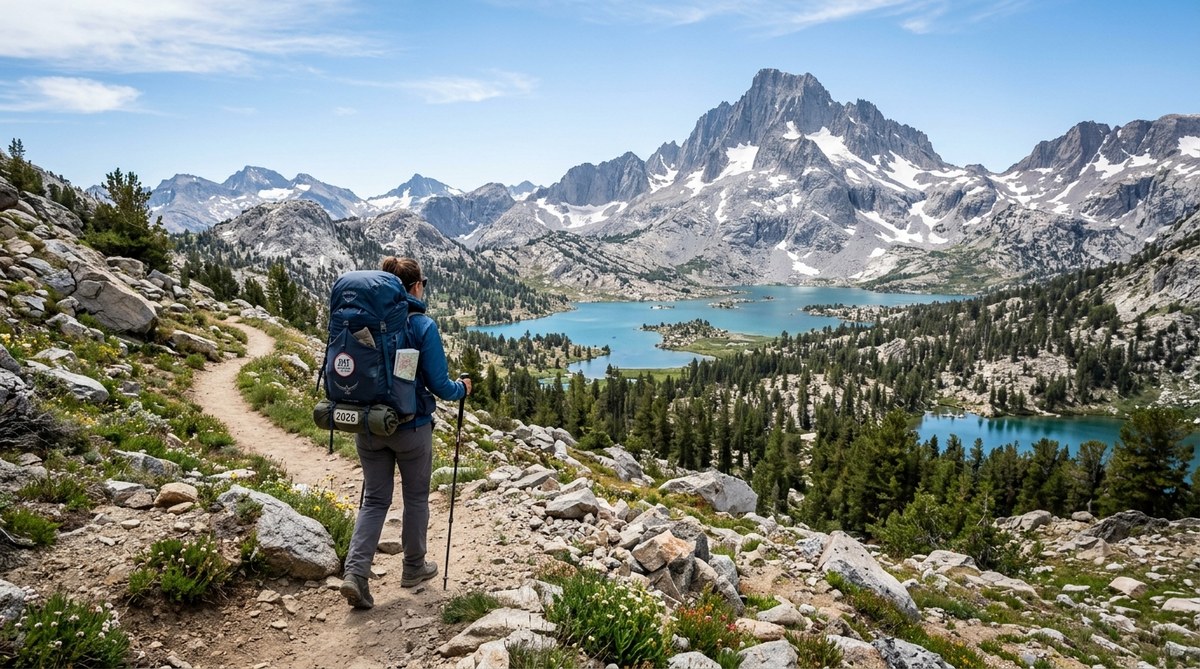
The Lolo Trail in Idaho is the most famous segment. It goes through the Bitterroot Mountains and offers incredible views of alpine meadows and old growth forests. The trail is narrow and rocky in places, so good boots and trekking poles are a must. You will gain a deep appreciation for the Nez Perce people who crossed this terrain with their families and livestock while under pursuit.
If you are looking for more challenging terrain, check out how to prepare for a high-altitude hike without getting altitude sickness. It will help you get ready for the elevation changes on this trail.
5. Iditarod National Historic Trail
Most people know the Iditarod as a dog sled race. But the trail itself was originally a route for mail and supplies between Alaska’s coastal towns and inland mining camps. It runs from Anchorage to Nome, covering about 1,000 miles.
Winter is the classic time to hike or ski this trail, but summer offers a completely different experience. The tundra is alive with wildflowers, and the days are long. You will need to be self sufficient. There are no towns or services along most of the route. Bring a reliable map, a satellite communicator, and plenty of food.
For gear advice, read our guide on essential outdoor gear every hiker should pack for long trails. It covers the basics that apply to any remote hike.
6. Captain John Smith Chesapeake National Historic Trail
This is a water trail, but you do not need a boat to enjoy it. The trail follows the routes Captain John Smith took while exploring the Chesapeake Bay in 1608. You can hike along the shoreline, paddle a kayak, or bike sections of the trail.
The best land based segments are in Maryland and Virginia. The trails along the Potomac River and the Eastern Shore offer flat, easy walking with views of marshes, eagles, and historic plantations. This is a great option if you want a relaxed day trip that still connects you to early colonial history. The area is also rich in Native American heritage, with interpretive signs at many stops.
7. Ala Kahakai National Historic Trail
This trail is on the Big Island of Hawaii. It follows the coastline for 175 miles, passing through ancient Hawaiian settlements, fishponds, and temples. The name means “trail by the sea,” and it delivers exactly that.
The most accessible section is between Pu’uhonua o Honaunau (the Place of Refuge) and Kealakekua Bay. The trail is flat and follows the coast, with regular shade from palm trees. You can stop at restored temples and learn about the kapu system of ancient Hawaii. This trail is a perfect blend of tropical scenery and deep cultural history. It is also one of the warmest options on this list, so bring plenty of water and sunscreen.
For more warm weather options, see our list of 7 desert hiking trails that offer stunning solitude and scenery.
Packing the Right Gear for a Historic Hike
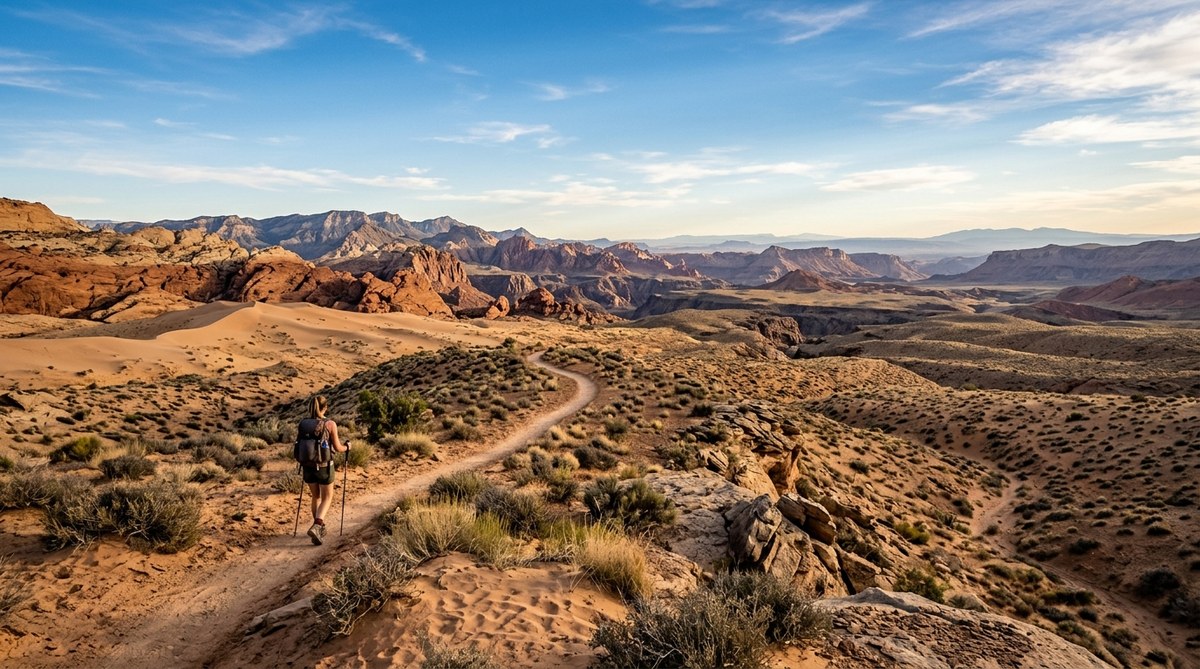
Historic trails often have uneven terrain, limited water sources, and little shade. You need to be prepared. Here is a bullet list of essentials you should not leave home without:
- A paper map and a compass (GPS can fail)
- At least one liter of water per hour of hiking
- Sun protection: hat, sunscreen, and sunglasses
- Sturdy boots with good ankle support
- A first aid kit with blister treatment
- Snacks that do not melt: nuts, granola bars, dried fruit
“The best way to honor the people who walked these trails before us is to be prepared. A safe hiker is a respectful hiker.” – Ranger Sarah Mitchell, National Park Service
Common Mistakes to Avoid
Even experienced hikers make errors when they switch to historic trails. Here are three common mistakes and how to avoid them:
- Underestimating the sun. Many historic trails cross open prairie or desert. There is no shade. Start early and bring a wide brimmed hat.
- Relying only on phone maps. Cell service is spotty on many of these routes. Download offline maps before you go, and carry a paper backup.
- Skipping the visitor center. These centers have exhibits, ranger talks, and trail condition updates. They add context that makes the hike much richer.
If you want to learn more about rating trail difficulty, read how to evaluate a hiking trail’s difficulty rating. It will help you match your fitness level to the right route.
Making the Most of Your Trip in 2026
This year, many of these trails are celebrating anniversaries or have new interpretive programs. The Lewis and Clark trail has expanded its mobile app with audio guides. The Nez Perce trail is offering ranger led hikes during the summer months. Check the National Park Service website for each trail before you go.
You can also combine multiple trails into one trip. The Oregon and Pony Express trails overlap in parts of Nebraska and Wyoming. You could spend a week hiking sections of both. That kind of trip gives you a broader picture of the westward expansion story.
For more ideas on combining routes, read about discover the most scenic hiking trails for your next adventure.
Step Into the Story
History is not just something you read in a book. It is something you can walk through. These seven historic hiking trails across the USA offer a chance to connect with the past in a way that no museum can match. You will see the same rivers, mountains, and plains that shaped the nation. You will feel the wind and the sun just as the people before you did.
Pick one trail from this list. Mark a weekend on your calendar. Pack your boots and your curiosity. The trail is waiting, and the stories are still there to be discovered.

Leave a Reply