
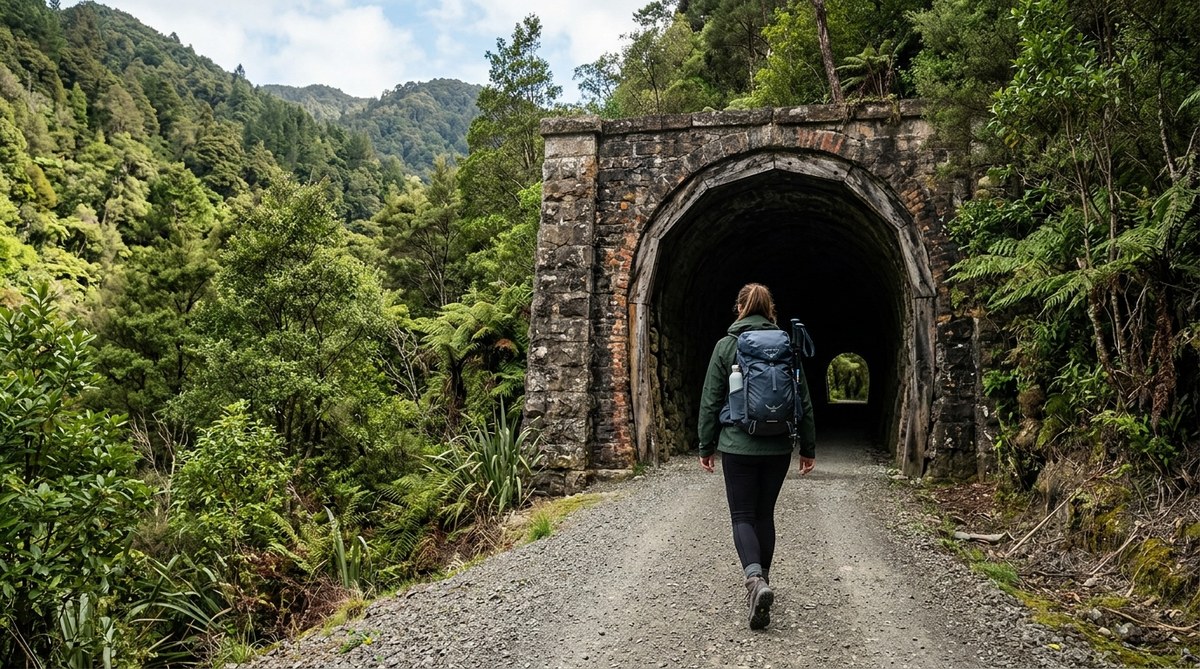
There is something special about walking through a dark tunnel and knowing that a hundred years ago, a steam locomotive roared through the same space. These abandoned railroad tunnels turned into hiking trails offer a rare mix of history and nature. You get the thrill of discovery without needing a time machine. Across the United States, old rail corridors have been converted into public paths. They let you hike through mountains that were once pierced by hand and dynamite. If you love history and the outdoors, these trails are a perfect match.
Abandoned railroad tunnels turned into hiking trails offer a unique blend of history and scenic beauty. You can walk through dark, cool tunnels that once carried freight trains, now surrounded by forests and mountains. These trails are generally gentle in grade, making them accessible for most hikers. Always bring a headlamp and check for seasonal closures before you go.
Why Old Rail Tunnels Make Great Hiking Trails
Railroads shaped America. They connected cities, moved goods, and opened the West. When rail lines were abandoned, many corridors sat unused for decades. In the 1980s and 1990s, the Rails-to-Trails Conservancy started converting these routes into public trails. The tunnels were the hardest part to build, so they are often the most dramatic features on the trail.
Walking through a railroad tunnel feels different than a standard hike. The temperature drops. The light fades. Your footsteps echo off stone walls that were chiseled by hand over a century ago. These tunnels are time capsules. You can still see drill marks, brickwork, and sometimes the original rails embedded in the ground.
Many of these trails follow rivers or cut through mountain passes. The grade is usually gentle because trains needed a flat path. That makes them ideal for hikers of all skill levels. You can bring kids, friends, or even grandparents.
How to Prepare for a Tunnel Hike
Before you head out, there are a few things you need to know. Tunnel hiking is not the same as a normal trail walk. The conditions inside a tunnel can surprise you. Here is a practical checklist to follow:
- Bring a reliable light source. A headlamp is best because it keeps your hands free. Your phone flashlight will not cut it. The tunnel might be a quarter mile long, and total darkness is disorienting.
- Wear layers. Tunnels stay cool even in summer. You might go from 80 degrees outside to 50 degrees inside. A light jacket or long sleeve shirt helps.
- Check the weather. Some tunnels have drainage issues. If it has rained heavily, the tunnel floor could be muddy or flooded. Check trail reports before you go.
- Watch your step. The ground inside tunnels can be uneven. There might be loose gravel, old railroad ties, or puddles. Wear sturdy shoes with good traction.
- Respect wildlife. Bats and other animals sometimes use tunnels as roosts. Do not disturb them. If you see a bat, keep moving quietly.
These steps will keep you safe and comfortable. For more general advice on planning a hike, check out our guide on
Six Abandoned Railroad Tunnels Turned Into Hiking Trails
Here are six of the best examples across the country. Each one offers a unique experience.
1. The Abandoned Railroad Tunnel on the Virginia Creeper Trail
The Virginia Creeper Trail runs 34 miles from Abingdon to Whitetop, Virginia. It follows the old Virginia-Carolina Railway. The trail passes through several tunnels, but the most famous is the one near milepost 17. It is a short, curved tunnel that opens onto a stunning view of the Mount Rogers National Recreation Area. The grade is downhill if you start at Whitetop, so you can coast on a bike or walk easily. This is one of the most popular rail trails in the country.
2. The Cascade Tunnel on the Palouse to Cascades Trail
Washington State is home to the Palouse to Cascades Trail, a 130 mile rail trail. The Cascade Tunnel is the longest tunnel on the route at over 300 feet. It cuts through solid basalt rock. The tunnel is dark and cool, and the trail on either side is lined with wildflowers in spring. This trail is part of a larger network of abandoned railroad tunnels turned into hiking trails in the Pacific Northwest. Bring a strong headlamp for this one.
3. The Suiattle River Tunnel on the Pacific Northwest Trail
In Washington, the Pacific Northwest Trail uses an old rail bed along the Suiattle River. The tunnel here is short but dramatic. It was carved through a cliff face right above the river. The trail itself is remote and quiet. You will not see many other hikers. This is a great option if you want solitude and a sense of adventure. The tunnel mouth is partially overgrown, which adds to the feeling of discovery.
4. The Borden Tunnel on the Ghost Town Trail
Pennsylvania is full of rail trail history. The Ghost Town Trail follows the Black Lick Creek and passes through the Borden Tunnel. This tunnel is about 400 feet long. It was built in the early 1900s to serve the coal mining industry. Today, the trail is a smooth gravel path. The tunnel is straight, so you can see the light at the other end. It is a good tunnel for beginners or families with kids. The trail also passes old mining towns and foundations.
5. The Tunnel on the Paulinskill Valley Trail
New Jersey might not be the first place you think of for abandoned railroad tunnels turned into hiking trails, but the Paulinskill Valley Trail has a good one. The trail runs 27 miles through Sussex County. The tunnel is made of hand laid stone and brick. It is about 200 feet long. The trail is flat and easy, perfect for a casual afternoon hike. In fall, the foliage around the tunnel is spectacular.
6. The Tunnel on the Kingston Branch Loop Trail
Also in New Jersey, the Kingston Branch Loop Trail uses a section of the old Delaware and Raritan Canal towpath and a former rail line. The tunnel here is short but historic. It passes under a road and through a stone arch. It is a small tunnel compared to the others, but it is a great example of early railroad engineering. The trail is family friendly and connects to other paths.
What to Look for Inside a Tunnel
When you walk into an abandoned railroad tunnel, take a moment to look around. There are clues about how it was built and used.
- Drill marks. Look at the walls. You might see circular patterns where miners drilled holes for dynamite.
- Brickwork. Many tunnels have brick arches at the entrances. The brick was used to reinforce the opening.
- Rail fragments. Sometimes old rails or spikes are still embedded in the ground or walls.
- Graffiti. Some tunnels have historic graffiti from railroad workers or travelers. Respect it but do not add your own.
- Drainage channels. Look for small ditches along the sides. These were built to keep water off the tracks.
These details make the hike feel like a history lesson. If you want to learn more about historic trails, read our article on
Common Mistakes to Avoid on Tunnel Hikes
Even experienced hikers can make mistakes when exploring tunnels. Here is a table that breaks down common errors and how to avoid them.
| Mistake | Why It Is a Problem | How to Avoid It |
|---|---|---|
| Using only a phone light | Phones die quickly and the light is too weak | Bring a dedicated headlamp with fresh batteries |
| Walking too close to the walls | Walls can be damp and slippery, or you might hit your head | Stay in the center of the tunnel |
| Not checking for closures | Some tunnels close for bat hibernation or maintenance | Check the trail website or call the local ranger station |
| Going alone without telling anyone | If you get injured, no one will know | Always tell a friend your plan and expected return time |
| Ignoring weather forecasts | Flash floods can happen in low lying tunnels | Check the forecast and avoid tunnels during heavy rain |
These are simple fixes. They will keep your hike safe and fun.
Expert Advice on Tunnel Hiking
“The best advice I can give is to stop at the entrance of a tunnel and let your eyes adjust before you go in. It takes a minute for your vision to adapt. Also, listen. You can often hear water dripping or wind blowing through, which tells you about the tunnel’s condition.” — Sarah K., trail guide and historian, Pennsylvania.
That advice is gold. Your eyes need time to adjust to the low light. If you rush in, you might trip or miss something interesting. Also, listen for sounds. Running water might mean a wet floor. Echoes can tell you how long the tunnel is.
What Gear You Need for a Tunnel Hike
You do not need special equipment, but a few items make the experience better. Here is a bullet list of essentials:
- Headlamp with a red light mode (preserves night vision)
- Extra batteries or a backup light
- A light jacket or fleece
- Sturdy hiking boots with good grip
- A walking stick for balance on uneven ground
- A small first aid kit
- Water and snacks
For a full list of gear, check out our guide on It covers everything you need for a day on the trail.
When Is the Best Time to Hike Tunnel Trails?
Timing matters. Here are a few things to consider:
- Spring and fall are the best seasons. The weather is mild, and the leaves are changing or blooming.
- Summer can be hot outside, but the tunnels stay cool. That makes them a good escape from the heat.
- Winter can be tricky. Some tunnels close for bat hibernation. Others might have ice on the trail. Check before you go.
- Midday is the best time of day. The sun is high, so you get the best light at the tunnel entrances.
- Avoid weekends if you want solitude. These trails are popular with bikers and families.
If you want to avoid crowds, read our tips on It will help you pick the right time and place.
A Final Look at the History
These tunnels were built by hand, often by immigrant laborers. They worked with pickaxes, dynamite, and sheer will. The tunnels connected towns and moved goods. Now they connect us to nature and the past. When you hike through one, you are walking in the footsteps of those workers. It is a powerful feeling.
The abandoned railroad tunnels turned into hiking trails are more than just a novelty. They are a way to experience history in a tangible way. You can touch the walls, feel the cool air, and imagine the sound of a train approaching. It is a living museum.
How to Find More Tunnel Trails Near You
You do not have to travel across the country to find one. Many states have rail trails with tunnels. Here is how to find them:
- Use the Rails-to-Trails Conservancy TrailLink website or app.
- Search for “rail trail tunnels” plus your state name.
- Ask at local hiking or biking shops.
- Check state park websites for trail descriptions.
You might be surprised how many are near you. For example, the Paulinskill Valley Trail in New Jersey is a hidden gem. The Virginia Creeper Trail draws visitors from all over. The Palouse to Cascades Trail in Washington is a bucket list hike.
If you are looking for more scenic routes, check out our list of It includes many trails with historic features.
Why These Trails Matter in 2026
In a world that moves fast, these trails offer a slow down. You cannot rush through a dark tunnel. You have to walk carefully, listen, and look. It is a reminder of a time when travel was slower and more deliberate. The abandoned railroad tunnels turned into hiking trails are a bridge between the industrial past and the natural present. They are worth preserving and exploring.
Start Your Tunnel Hike Adventure
You now have everything you need to plan your first tunnel hike. Pick a trail from the list above. Check the weather. Pack your headlamp. Go with a friend or go solo, but tell someone your plan. Walk through the darkness and come out the other side with a story to tell. That is what these trails are all about.


Leave a Reply