
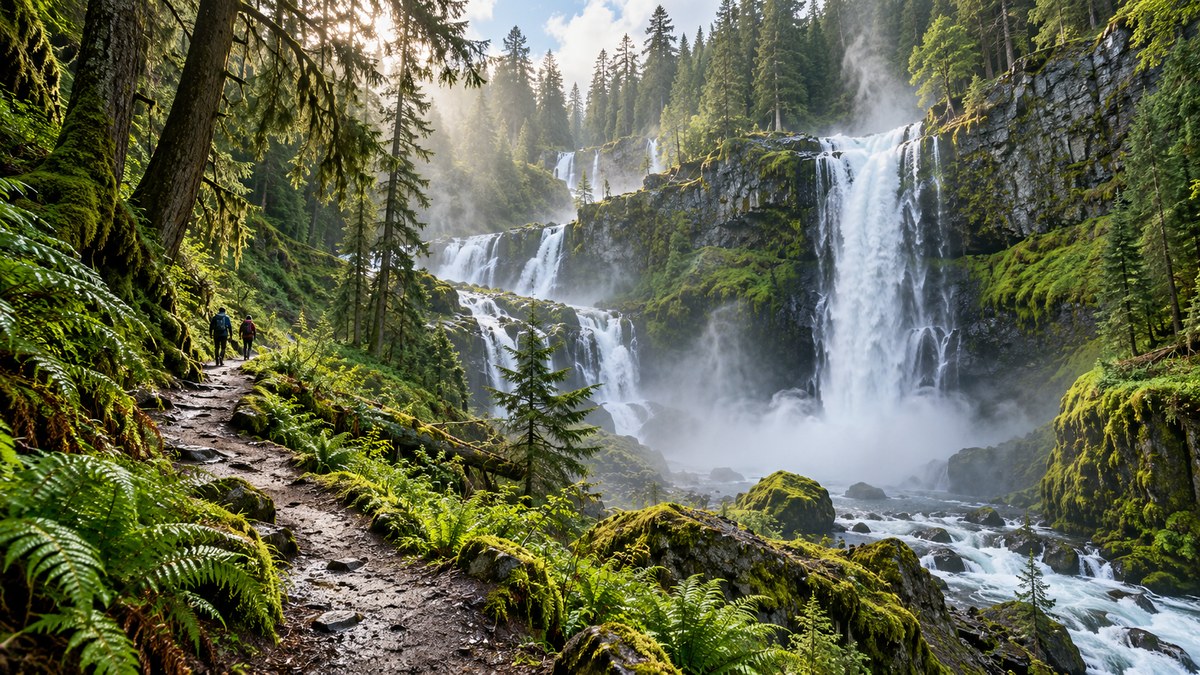
Spring in the Pacific Northwest is a spectacle. The snowpack melts, rivers swell, and the region’s famous waterfalls roar back to life. For anyone who loves the sound of crashing water and the sight of mist rising through old-growth forests, this is the perfect season. The trails are less crowded than summer, the temperatures are cool, and the wildflowers are starting to bloom. If you are planning a trip to Oregon or Washington, you want to know exactly where to go to catch the best cascades. This guide covers the seven best spring hikes for waterfalls in the Pacific Northwest, with practical advice on timing, trail conditions, and what to pack.
Spring is the prime window for waterfall hikes in the PNW because of heavy snowmelt. However, trails can be muddy and rivers dangerous. Stick to well-maintained routes like the seven listed here, check weather forecasts, and pack waterproof gear. Early May offers the best balance of high water flow and accessible trail conditions for most hikers.
Why Spring Is the Best Time for Waterfall Hikes
The Pacific Northwest gets a lot of rain, but the real magic happens when the snow starts to melt. From late March through early June, waterfalls reach their peak volume. Many creeks that are barely a trickle in August become thundering cascades in April. The forest floor is damp and green, and the light filters through the canopy in a way that makes everything look like a painting.
There is a catch. Spring trails can be muddy, slippery, and sometimes blocked by fallen trees. Snow lingers at higher elevations well into June. That is why the best spring hikes for waterfalls in the Pacific Northwest stick to lower elevation routes or south-facing slopes where the sun has already done its work. The trails below are chosen for their reliability during the shoulder season.
How to Prepare for a Spring Waterfall Hike
Before you lace up your boots, take a few steps to make sure your trip is safe and enjoyable. Spring weather in the PNW changes by the hour. A sunny morning can turn into a cold drizzle by noon.
- Check recent trail reports. AllTrails and the Washington Trails Association are good sources. Look for updates posted within the last week. Pay attention to notes about downed trees, snow patches, or washed-out bridges.
- Dress in layers. A waterproof shell, a fleece mid-layer, and a moisture-wicking base layer will keep you comfortable. Avoid cotton. Once it gets wet, it stays wet and cold.
- Bring microspikes or traction devices. Many trails have icy sections in the shade, even in April. A set of microspikes weighs almost nothing and can save you from a twisted ankle.
- Pack extra socks and a dry bag. You will step in mud. You might cross a shallow stream. Having dry socks at the car makes the drive home much better.
- Start early. Parking lots at popular trailheads fill up by 9 AM on weekends. Aim to be on the trail by 7 or 8 AM for a quieter experience.
For a deeper look at what to carry, check out our guide on essential outdoor gear every hiker should pack for long trails.
The 7 Best Spring Hikes for Waterfalls in the Pacific Northwest
These seven trails are handpicked for their spring accessibility and spectacular waterfall payoff. They range from easy strolls to moderate day hikes. All of them are doable with standard hiking gear and a reasonable level of fitness.
1. Silver Creek Falls Trail, Silver Falls State Park (Oregon)
This is a classic. Silver Falls State Park sits in the Willamette Valley, about an hour south of Portland. The Trail of Ten Falls is the park’s main attraction, but for spring, the Silver Creek Falls Trail offers a shorter loop that still hits several of the biggest drops. The water flow in April and May is incredible. You can walk behind South Falls without getting soaked, which makes for fantastic photos.
Distance: 5.4 miles loop. Elevation gain: 500 feet. Difficulty: Easy to moderate.
2. Wahclella Falls Trail, Columbia River Gorge (Oregon)
The Columbia River Gorge is famous for its waterfalls, and Wahclella Falls is one of the easiest to reach in spring. The trail follows a creek through a lush canyon. You get multiple views of the falls from different angles. The trail is well-maintained, but it can be slick from mist. Bring traction.
Distance: 1.8 miles out and back. Elevation gain: 200 feet. Difficulty: Easy.
3. Snoqualmie Falls Trail, Snoqualmie (Washington)
Snoqualmie Falls is one of the most iconic waterfalls in Washington. The upper viewpoint is accessible from the parking lot, but the actual hike down to the base of the falls is where the magic happens. The trail descends steeply through Douglas firs and ends at a viewing platform that puts you right in the spray. In spring, the volume is jaw-dropping.
Distance: 1.4 miles out and back. Elevation gain: 600 feet. Difficulty: Moderate (steep on the return).
4. Latourell Falls Trail, Columbia River Gorge (Oregon)
Latourell Falls is a 224-foot column of water that drops straight down a basalt cliff. The spring melt makes it thunderous. The loop trail takes you past the main falls and up to a smaller upper falls. The lower section is paved and wheelchair accessible. The upper loop is dirt and can be muddy.
Distance: 2.4 miles loop. Elevation gain: 500 feet. Difficulty: Easy to moderate.
5. Franklin Falls Trail, Snoqualmie Valley (Washington)
Franklin Falls is a lesser-known gem near Snoqualmie. The trail is short but steep, ending at a beautiful two-tiered waterfall. The best part is the pool at the base, where you can sit on the rocks and feel the mist. Spring is the ideal time because the water level is high but the trail is usually snow-free by late April.
Distance: 2.0 miles out and back. Elevation gain: 400 feet. Difficulty: Moderate.
6. Tamanawas Falls Trail, Mount Hood (Oregon)
This hike is near the iconic Timberline Lodge on Mount Hood. The trail follows a creek through a forest of ancient hemlocks and firs. The payoff is a 100-foot waterfall that cascades over a cliff of columnar basalt. Spring is the best time to see it at full power. Note that snow can linger on the trail into May, so check conditions before you go.
Distance: 3.6 miles out and back. Elevation gain: 600 feet. Difficulty: Moderate.
7. Silver Creek Falls Trail, Silver Creek (Washington)
Not to be confused with the Oregon trail of the same name, this hike is in the Mount Baker-Snoqualmie National Forest. It is a bit more remote, which means fewer crowds. The trail follows Silver Creek through a narrow canyon with multiple small falls and one big cascade. The spring runoff makes every drop count.
Distance: 4.0 miles out and back. Elevation gain: 700 feet. Difficulty: Moderate.
What to Watch Out For on Spring Trails
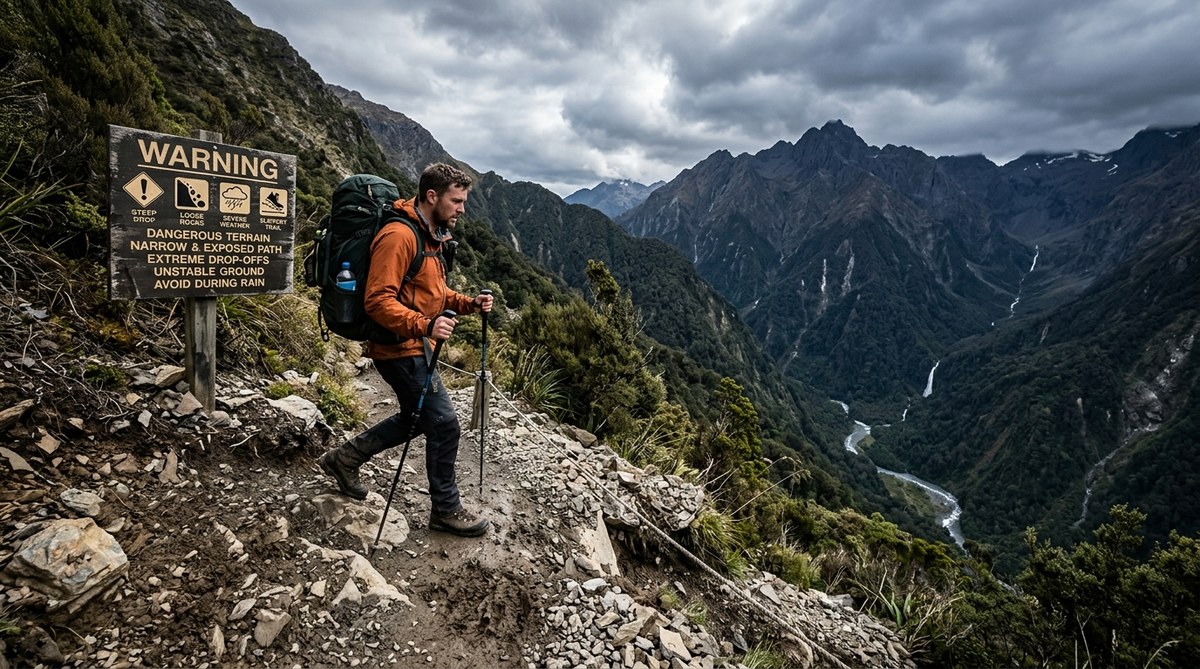
Spring hiking comes with specific hazards. Knowing what to look for keeps you safe.
| Hazard | What to Watch For | How to Handle It |
|---|---|---|
| Slippery mud | Thick, slick mud on switchbacks | Use trekking poles. Walk on rocks or roots when possible. |
| Icy patches | Shaded sections of trail, especially in the morning | Wear microspikes. Take slow, deliberate steps. |
| High water crossings | Creeks that are normally ankle-deep can be waist-deep | Never cross if the water is moving fast. Turn around or find a log crossing. |
| Falling rocks | Steep canyon walls near waterfalls | Stay on the trail. Do not climb on loose rocks near the falls. |
| Sudden weather changes | Sun to rain in 20 minutes | Carry a waterproof jacket and an extra insulating layer. |
“The biggest mistake I see in spring is people wearing cotton hoodies and sneakers. You get wet, you get cold, and suddenly a fun day turns into a rescue situation. Dress for the worst weather, not the best.” – Mark H., Search and Rescue volunteer, Clackamas County.
What Gear Makes a Spring Hike Comfortable
Spring in the PNW is damp. The air is cool, the ground is wet, and the trails are often puddled. Having the right gear makes the difference between a great day and a miserable one.
- Waterproof hiking boots with good tread. Trail runners work for dry trails, but spring mud demands ankle support and a solid sole.
- A rain jacket that is truly waterproof, not just water-resistant. Look for a shell with taped seams.
- Trekking poles. They take pressure off your knees on the descent and help you test the depth of muddy puddles.
- A dry bag or pack cover. Keeping your spare clothes and phone dry is non-negotiable.
- A headlamp. Days are still short in early spring. If you get a late start, you might need light on the way back.
For more advice on choosing the right equipment, see our top tips for choosing durable and lightweight hiking gear.
How to Pick the Right Trail for Your Group
Not every waterfall hike is right for every hiker. Here is a breakdown of how to match a trail to your group.
- For families with young kids: Choose trails under 2 miles with minimal elevation gain. Wahclella Falls and the lower viewpoint of Snoqualmie Falls are great options. Keep a close eye on children near the water. Spring currents are much stronger than they look.
- For beginner hikers: Stick to well-signed, high-traffic trails. Latourell Falls and Silver Creek Falls (Oregon) are both easy to follow and have clear paths.
- For experienced hikers looking for a challenge: The full Trail of Ten Falls loop at Silver Falls State Park is 7.2 miles with several elevation changes. Tamanawas Falls is also a good workout with a rewarding view.
- For photographers: Early morning light is best. Snoqualmie Falls and Latourell Falls catch the sun well in the late morning. Bring a tripod for long exposures of the water.
What to Do If You Encounter Trail Closures
Spring is also the season for trail maintenance. Some trails close temporarily for repairs or because of storm damage. Before you drive out to a trailhead, take these steps.
- Check the official website for the national forest or state park.
- Look at recent reviews on hiking apps. If the last five reviews mention a closure, believe them.
- Have a backup plan. If Snoqualmie Falls is closed, drive to Franklin Falls instead. Keep a list of three or four options for the area you are visiting.
If you want to find more trails that are off the beaten path, read our piece on explore hidden gems: uncover off-the-beaten-path hiking trails for your next adventure.
How to Keep Your Spring Hike Sustainable
The Pacific Northwest is a fragile ecosystem. Spring is a vulnerable time because the ground is soft and plants are just starting to grow. Follow Leave No Trace principles to protect the trails for future hikers.
- Stay on the trail. Walking around mud puddles widens the trail and damages vegetation.
- Pack out all trash, including orange peels and apple cores. They do not decompose as fast as you think.
- Do not pick wildflowers. Let them seed for next year.
- Keep dogs on a leash. Off-leash dogs can disturb wildlife and other hikers. Plus, many trailheads require leashes.
Your Spring Waterfall Adventure Awaits
Spring in the Pacific Northwest is a gift for hikers who are willing to deal with a little mud and drizzle. The waterfalls are at their peak, the forests are alive with green, and the trails offer a sense of solitude that fades once summer arrives. Pick one of the seven hikes above, check the conditions, and get out there. The sound of water crashing into a pool at the base of a cliff is one of the best rewards the outdoors can offer.
If you are new to the region or just want to build a solid foundation for your hiking trips, start with our best hiking trails for beginners: start your outdoor adventure today. Then grab your rain jacket and go chase some waterfalls.


Leave a Reply