
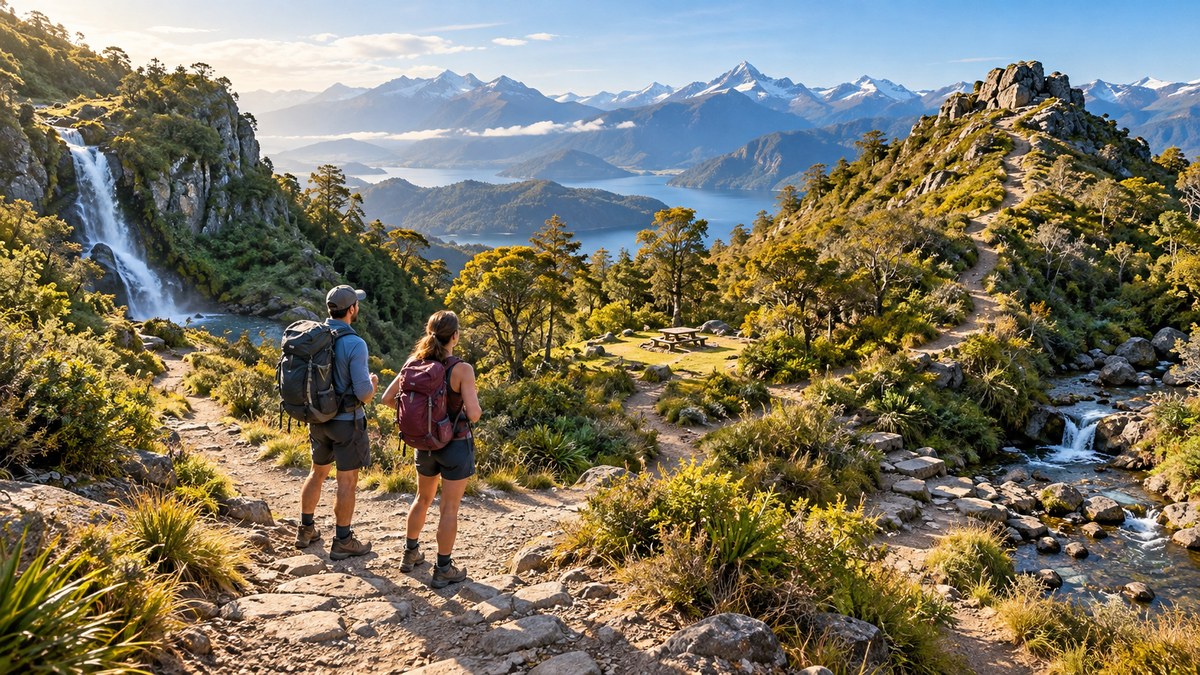
You pull into the trailhead parking lot at 8:30 AM with a plan for a two mile loop. By 10:15 you are back at the car, and the whole day is still ahead of you. That used to happen to me all the time. I would drive an hour to a beautiful trail, finish the hike in 90 minutes, and then feel like I wasted the good weather. The problem wasn’t the trail. It was my mindset. I was treating a hike like a destination instead of a starting point. Once I learned how to extend a short hike into a full day adventure using side quests, every trail became bigger than its mileage suggested.
A short hike becomes a full day adventure when you add intentional side quests. These are mini missions that layer on purpose, whether it is scrambling to a secondary summit, identifying five wildflowers, or photographing the forest light at golden hour. The goal is not more miles. It is more richness. By packing a few extra items and shifting your pace, you can spend 8 hours doing what normally takes 2.
Why Short Hikes Leave You Wanting More
A short hike is efficient. It gives you a dose of nature without requiring a full day commitment. That works great for a Wednesday evening. But on a Saturday morning with no other plans, a two mile loop can feel anticlimactic. You barely break a sweat. You see the same viewpoints everyone else sees. You drive home before lunch wondering what to do with the rest of the day.
The fix is not to find a longer trail. The fix is to add layers to the trail you already chose. Think of your hike as a main quest. The side quests are everything you do around it. A summit scramble, a creek crossing exploration, a picnic at a hidden clearing, a bird watching session, a hammock nap. These activities transform a simple walk into a full day experience.
The Side Quest Mindset
Adopting a side quest mindset changes how you plan. Instead of asking “How long is this trail?” you ask “What else can I do here?” That shift opens up a world of possibilities. You stop measuring success in miles and start measuring it in memories.
Here is a list of side quests you can add to almost any hike:
- Summit a secondary peak near the main trail
- Follow a dry creek bed to see where it leads
- Practice forest bathing with a 20 minute silent sit
- Photograph the same spot at different times of day
- Identify and journal five native plants or trees
- Find a swimming hole or natural water feature
- Build a small cairn at a scenic overlook
- Do a trail magic cleanup and pack out extra trash
- Sketch or watercolor a landscape scene
- Read a short nature poem aloud at a viewpoint
Each side quest adds 20 to 45 minutes to your day. Stack three or four of them, and suddenly you are out there for six hours without adding serious mileage.
How to Plan Your Side Quest Day
The best side quest days come from a little forethought. You do not need a binder full of itineraries. You just need a loose structure that allows spontaneity.
-
Choose a trail with buffer space. Pick a route that sits inside a larger trail system or a state park with multiple features. A 1.5 mile loop inside a 5,000 acre forest gives you room to wander. A short trail that dead ends at a parking lot does not. Look for trails near lakes, ridges, meadows, or historic sites. Those areas naturally offer more side quest material.
-
Pack for lingering. A short hike pack is light. A side quest pack is prepared. Bring a lightweight camp chair or sit pad. Pack a thermos with hot tea or coffee. Include a book, a field guide, or a small journal. Throw in a hammock if your trail has suitable trees. Carry extra snacks and a full water bottle. The goal is to be comfortable sitting still for 30 minutes at a time.
-
Set a loose timeline. Decide on two or three side quests before you leave the car. Write them on your phone or a scrap of paper. For example: “Summit the rocky outcrop at mile 1.5, eat lunch at the beaver pond, then photograph the light through the pines at 4 PM.” Having a plan prevents you from finishing the trail and driving home out of habit.
-
Pause before you turn around. When you reach the end of the main trail, do not immediately reverse course. Sit down. Look around. Ask yourself what else is worth seeing within a half mile radius. Often there is a spur path, a game trail, or a small hill that does not appear on the map. Those are your best side quests.
The Gear That Makes Lingering Comfortable
You already have good hiking boots and a daypack. To extend a short hike comfortably, you need a few extra pieces of gear that prioritize staying power over speed.
| Gear Item | Why It Helps You Linger | Weight Penalty |
|---|---|---|
| Sit pad or ultralight chair | Keeps you dry on damp logs and rocks | 3 to 10 ounces |
| Insulated mug | Hot drinks stay hot for an hour | 5 ounces |
| Field guide (wildflowers or birds) | Turns idle time into learning | 6 to 12 ounces |
| Small hammock | Instant nap spot between trees | 12 to 20 ounces |
| Headlamp with red light | Extends your day past sunset | 2 ounces |
| Compact camera or phone tripod | Enables long exposure and self portraits | 4 to 8 ounces |
| Extra insulating layer | You get cold when you sit still | 8 to 12 ounces |
The total extra weight is around two to three pounds. That is nothing when you are only hiking a few miles. But it makes the difference between a rushed walk and a relaxed afternoon. For more advice on packing light, check out our guide on choosing durable and lightweight hiking gear.
Common Mistakes That Shorten Your Day
Even with the best intentions, it is easy to fall into habits that cut your adventure short. Here are the most common mistakes and how to avoid them.
| Mistake | Why It Happens | The Fix |
|---|---|---|
| Rushing the main trail | You treat the hike like a workout | Walk at a sightseeing pace, not a fitness pace |
| Skipping breaks | You forget to schedule rest stops | Set a timer to sit for 10 minutes every mile |
| Ignoring spur trails | You stick to the marked route | Take every side path that looks maintained |
| Leaving too early | You arrive at the trailhead at 7 AM and finish by 9 | Start later so you can end at sunset |
| Not checking the map for features | You only look at trail length | Study the map for ponds, viewpoints, and clearings |
| Underpacking food | You bring one granola bar | Pack a full picnic with treats and hot drinks |
“The biggest mistake hikers make is treating a short trail like a checklist. You check the box, and then you leave. But a trail is a place, not a task. When you sit down and let the forest happen around you, that is when the real adventure begins.” — Ranger Sarah Kline, Shenandoah National Park
Turn Your Next Short Hike Into a Full Day
You do not need a 10 mile trek to have a memorable day outside. You need curiosity, a little extra gear, and the willingness to slow down. The next time you drive to a trail that only takes an hour to walk, try this approach.
Arrive by late morning. Hike the main loop at a relaxed pace. Stop at every viewpoint for at least five minutes. When you finish the loop, find a sunny spot and eat a real lunch. Then pick one side quest from your list. Maybe you follow a small stream uphill to see where it starts. Maybe you lie in a hammock and read a chapter of a book. Maybe you take 50 photos of the same mossy rock as the light changes.
By the time you head back to the car, the sun will be low and your legs will feel pleasantly tired. You will have spent six or seven hours in a place most people pass through in 90 minutes. That is the difference between a hike and an adventure. For more inspiration on finding trails that offer room to roam, take a look at our list of 8 alpine lake hikes that will take your breath away.

Leave a Reply