

The Rocky Mountains are a cheat code for hikers. You can climb a thousand feet, turn a corner, and suddenly the world drops away into a sea of granite peaks and valleys that stretch to the horizon. But not all trails are created equal. Some tuck you inside a forest canopy. Others deliver their reward only at the very summit. If you want to spend the majority of your hike walking along the spine of the mountain with 360-degree views, you need a ridgeline trail.
These routes sit right on the edge. They offer the best ridge trail views Rockies terrain can produce. We have pulled together eight of the most photogenic and accessible ridgeline hikes in the range. Each one was chosen for its consistent exposure, manageable difficulty for an intermediate hiker, and the kind of scenery that makes you stop mid stride just to stare.
The best ridgeline hikes in the Rockies reward you with sustained, open views for the bulk of the trail. Focus on routes with high alpine exposure, manageable elevation gain, and a clear weather window. This list of eight trails covers Colorado, Montana, Wyoming, and Alberta, giving you options for summer day hikes and shoulder season adventures.
What Makes a Ridgeline Trail Worth Your Boots
A ridgeline trail follows the crest of a mountain or a high connecting ridge. Unlike a canyon hike or a forested ascent, a ridgeline keeps you above treeline for a long stretch. That means you get consistent wind, direct sun, and views that feel almost unfair.
For the best ridge trail views Rockies hikers crave, look for these features:
- Sustained elevation above 10,000 feet
- Minimal tree cover so the panorama stays open
- A trail that follows the natural contour of the ridge rather than switchbacking down into a valley
- Moderate to strenuous difficulty with good tread underfoot
If you are still building your confidence on exposed terrain, check out this resource on how to evaluate a hiking trail’s difficulty rating before you head out. Knowing what counts as moderate versus difficult will help you pick the right route for your group.
The Eight Ridgeline Trails You Need to Hike
1. Skyline Trail (Mount Rainier National Park)
Technically just north of the Rockies proper, this trail is so iconic it deserves a spot on any ridge list. The full loop runs about 5.5 miles with 1,700 feet of elevation gain. You walk on the shoulder of Mount Rainier with glaciers, wildflower meadows, and the entire Cascade Range laid out beside you.
Best time to go: Late July through September. Snow lingers into early summer.
2. The Ute Trail (Rocky Mountain National Park, Colorado)
This is one of the easiest ways to access high alpine ridgeline walking in Colorado. The trail starts at the Alpine Visitor Center (elevation 11,796 feet) and follows the tundra along the ridge. You get uninterrupted views of the Mummy Range and the Continental Divide.
The round trip is about 5 miles with minimal elevation gain because you are already high. Just watch for afternoon thunderstorms. They roll in fast above treeline.
3. The Knife Edge Trail (Gore Range, Colorado)
Do not let the name scare you. The Knife Edge Trail is a narrow ridgeline that connects two peaks in the Gore Range near Vail. It is not technical, but it does require a head for heights. The trail is roughly 3 miles one way with 1,200 feet of gain. The payoff is a razor thin ridge with drops on both sides and views of the Gore Creek Valley.
4. Highline Trail (Glacier National Park, Montana)
Glacier National Park is famous for its dramatic ridgelines. The Highline Trail runs along the base of the Continental Divide for about 12 miles one way. You can hike a shorter section and still get the full experience. The trail hugs the side of the mountain with wildflowers, waterfalls, and constant views of the valley below.
Wildlife is common here. Bighorn sheep, mountain goats, and the occasional grizzly bear share the trail. Carry bear spray and know how to use it.
5. The Sawtooth Ridge (Sawtooth Wilderness, Idaho)
The Sawtooth Ridge is a lesser known gem compared to the big national parks. The trail system here offers multiple ridgeline options. The Alice Lake to Snowyside Peak route is a favorite. You climb through forest, emerge onto the ridge, and then walk with the jagged Sawtooth peaks on one side and alpine lakes on the other.
This is a great option if you want to avoid crowds. The trailhead is about two hours from Boise.
6. The Teton Crest Trail (Grand Teton National Park, Wyoming)
This is the big one. The Teton Crest Trail is a 40 mile point to point through the heart of the Tetons. But you do not need to do the whole thing to get the ridgeline experience. The Paintbrush Divide to Cascade Canyon section is a 12 mile loop that spends most of its time above 9,000 feet. You will see the jagged Teton peaks up close, plus wildflower filled meadows and glacial lakes.
Permits are required for overnight trips. Day hikers can access the loop from the tram at Jackson Hole Mountain Resort.
7. The Wilcox Pass Trail (Jasper National Park, Alberta)
Cross the border into Canada for one of the most accessible ridgeline hikes in the Rockies. Wilcox Pass starts at the Columbia Icefield. The trail climbs gently onto a high plateau that offers views of the Athabasca Glacier, Mount Andromeda, and the entire icefield.
The round trip is about 6 miles with 1,000 feet of gain. The trail is well marked and stays above treeline for most of the hike.
8. The Devil’s Causeway (Flat Tops Wilderness, Colorado)
This is a short but exposed ridgeline hike in the Flat Tops Wilderness near Steamboat Springs. The trail leads to a narrow fin of rock that drops off steeply on both sides. The causeway itself is only about 100 yards long, but the approach and return offer miles of high plateau walking with views of the surrounding peaks.
If you are nervous about exposure, you can stop before the causeway and still enjoy the ridgeline.
How to Prepare for a Ridgeline Hike
Ridgeline trails demand more planning than a forest hike. The weather changes fast. The sun is intense. And you are far from shelter.
Here is a practical checklist to run through before you go:
- Check the weather forecast for the specific elevation you will be hiking. Mountain forecasts change hourly.
- Start early. Ridgeline hikes are best done in the morning before thunderstorms develop.
- Pack layers. A windproof shell is essential even on a sunny day.
- Bring more water than you think you need. High altitude and direct sun dry you out fast.
- Tell someone your route. Cell service is spotty on most ridges.
For a deeper look at packing the right gear, read this guide on essential outdoor gear every hiker should pack for long trails. It covers the specific items that make a difference above treeline.
Common Mistakes on Ridgeline Trails
Even experienced hikers make errors when they step onto an exposed ridge. The table below breaks down the most frequent mistakes and how to avoid them.
| Mistake | Why It Happens | How to Fix It |
|---|---|---|
| Starting too late | Afternoon storms are common above treeline | Hit the trail by 7:00 AM at the latest |
| Underestimating wind | Ridges funnel wind even on calm days | Always carry a wind layer and a hat |
| Not enough sun protection | UV is stronger at altitude | Use SPF 50+ and reapply every two hours |
| Ignoring trail markers | Cairns can be hard to spot in fog | Download a GPS route before you go |
| Running out of water | Dry air and exertion increase water needs | Carry at least one liter per two miles |
Expert advice from a Rocky Mountain National Park ranger: “The biggest mistake I see is people treating a ridgeline hike like a walk in the park. It is not. The exposure is real. The weather is real. If you feel uneasy, turn around. The mountain will be there tomorrow.”
Picking the Right Season for Ridge Views
Timing matters a lot. The best ridge trail views Rockies hikers chase depend on snowmelt and trail conditions.
- Late June to early July: High snowpack years mean some trails are still blocked. Stick to lower elevation ridges or south facing slopes.
- Mid July to mid September: Prime season. Most trails are clear. Wildflowers peak in late July.
- Late September to early October: Fall colors hit the valleys. Snow can return to high elevations. Bring traction devices.
- Winter: Ridgeline trails are for experienced mountaineers only. Avalanche risk is high.
If you are planning a trip in 2026, target late July through August for the widest window of good conditions. For more trip planning help, check out essential tips for planning your ultimate adventure travel trip.
How to Capture the Views Without Losing the Moment
It is tempting to spend the whole hike looking through a camera lens. But the best ridgeline experiences happen when you put the phone down and just look.
That said, you will want some photos. Here are a few tips:
- Shoot in the golden hour (early morning or late afternoon). Midday light washes out the peaks.
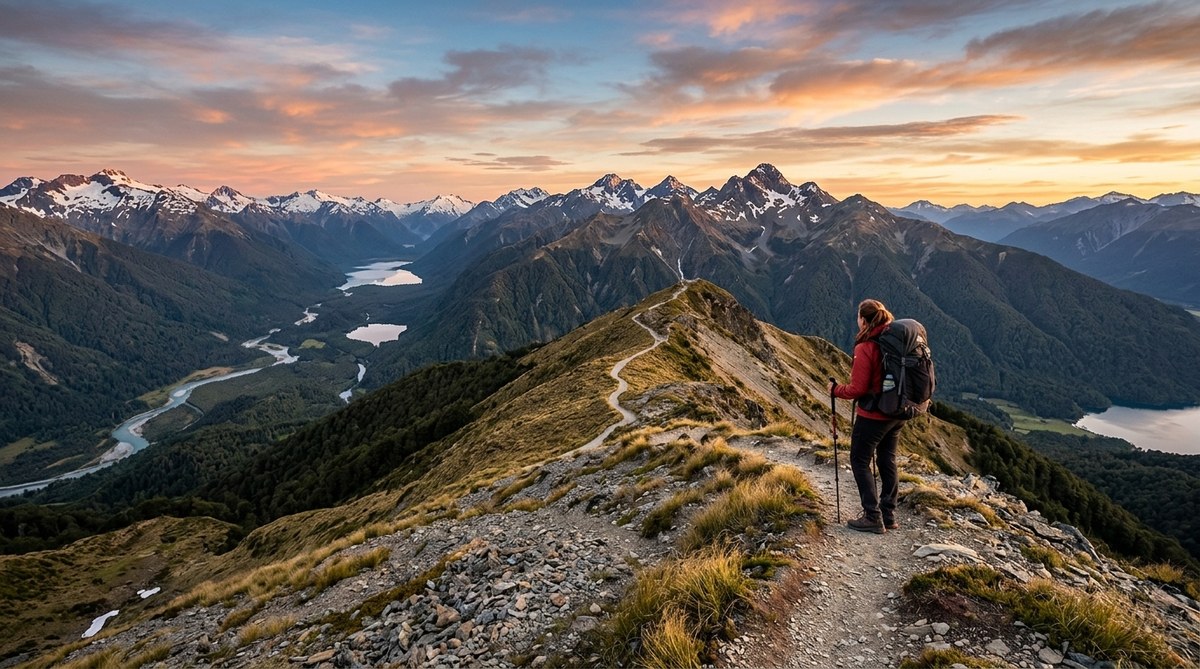
- Include a person in the frame to show scale.
- Use a polarizing filter to cut glare and make the sky pop.
- Take a panorama stitch if your phone has the mode. It captures the full 180 degree view.
Final Thoughts on Hitting the Ridgeline
Ridgeline hiking is a different kind of reward. You earn the views with every step, but once you are up there, the trail itself becomes the destination. The best ridge trail views Rockies hikers talk about are not just about the summit photo. They are about the long, exposed miles where the world opens up and you can see for a hundred miles in every direction.
Pick one trail from this list. Check the conditions. Pack your layers and your water. Then go stand on a ridge and let the wind remind you why you love the mountains.

Leave a Reply