
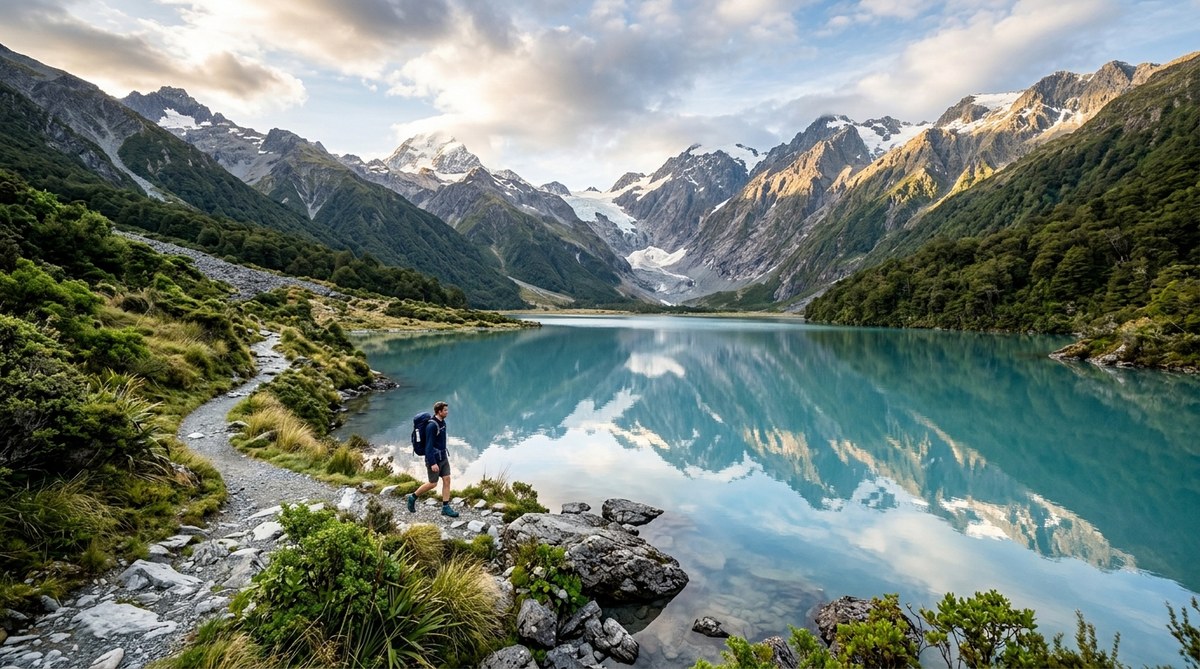
There is a moment on every alpine hike when the trees thin out, the air gets cooler, and the trail opens up to a basin of water so clear it reflects the sky like a mirror. That is the payoff. You sweat, you breathe hard, and then you stand there in silence because words feel inadequate. Alpine lakes have a way of doing that to people.
If you are looking for the best alpine lake hikes in 2026, you are probably after more than just a pretty photo. You want a trail that challenges you just enough, a destination that feels earned, and a place where the water is cold enough to wake up every nerve in your body. This guide covers exactly that. We will talk about difficulty, elevation, timing, and the small details that separate a good hike from a great one.
The best alpine lake hikes combine moderate to strenuous effort with stunning scenery at altitude. Success depends on choosing the right season, packing for changing weather, and understanding your fitness level. This guide breaks down eight top trails, explains how to prepare, and gives you the tools to pick the perfect hike for your next mountain adventure.
What Makes an Alpine Lake Hike Stand Out
Not every lake sitting in a mountain basin qualifies as a true alpine lake. The term usually refers to lakes formed by glacial activity, sitting at high elevation, often above the treeline. The water is cold, the air is thin, and the views are wide open.
The best alpine lake hikes share a few common traits. First, they offer a clear reward for the effort. That might be a turquoise color caused by glacial silt, a dramatic cliff backdrop, or a shoreline where you can sit and eat lunch without another soul in sight. Second, they require preparation. Altitude affects people differently, and a trail that feels moderate at sea level can feel punishing at 10,000 feet.
If you are new to this type of hiking, start with a trail that has moderate elevation gain and a clear path. You can always push harder next time.
How to Choose the Right Alpine Lake Hike for You
Picking a trail is not just about the photos you have seen on social media. It is about matching the hike to your current fitness level, the time you have available, and the season.
Here is a simple process to narrow down your options:
- Check the elevation gain per mile. A trail that climbs 1,000 feet per mile is significantly harder than one that gains 500 feet per mile. Be honest about your fitness.
- Look at the trail length. Round trip distance matters. A 10-mile hike at altitude takes most people 5 to 7 hours.
- Read recent trail reports. Snow can linger well into July in the high country. Check conditions a few days before you go.
- Consider your experience with altitude. If you have never hiked above 8,000 feet, choose a trail that peaks lower or allows for an acclimation day.
- Decide on solitude or popularity. Popular trails are well maintained but crowded. Less known trails offer peace but require better navigation skills.
For more help matching a trail to your skill level, check out this guide on how to choose the right hiking trail for your fitness level. It will save you from picking a trail that is either boring or dangerous.
Eight of the Best Alpine Lake Hikes to Try in 2026
These trails are spread across the United States. They range from moderate day hikes to strenuous overnighters. Each one offers a lake that will make you forget the ache in your legs.
1. Ice Lake Trail, Colorado
Location: San Juan National Forest, near Silverton
Distance: 8 miles round trip
Elevation gain: 2,400 feet
Difficulty: Hard
Ice Lake is famous for its electric blue water. The color comes from glacial silt suspended in the water, and it is so vivid that first time visitors often think the photos are edited. They are not. The trail climbs steadily through wildflower meadows in July and August, then opens up to a basin surrounded by 13,000 foot peaks. Go early in the morning to avoid afternoon thunderstorms.
2. Sky Pond Trail, Rocky Mountain National Park, Colorado
Location: Rocky Mountain National Park
Distance: 9 miles round trip
Elevation gain: 1,800 feet
Difficulty: Moderate to hard
This trail passes three lakes before reaching Sky Pond. You will scramble up a small waterfall near the end, which adds a fun technical element. The reward is a lake tucked directly beneath the Sharkstooth, a jagged peak that lives up to its name. Permits are required during peak season, so plan ahead.
3. Lake of the Angels Trail, Washington
Location: Olympic National Forest
Distance: 7 miles round trip
Elevation gain: 3,400 feet
Difficulty: Hard
Do not let the short distance fool you. This trail is steep and relentless. It climbs through old growth forest before breaking out into a subalpine meadow. The lake sits in a hanging valley with views of the surrounding peaks. The water is cold year round, but the setting is worth every step.
4. Grinnell Glacier Trail, Montana
Location: Glacier National Park
Distance: 11 miles round trip
Elevation gain: 2,200 feet
Difficulty: Moderate
This trail follows the shore of Swiftcurrent Lake and Lake Josephine before climbing to Grinnell Glacier. Along the way you will pass waterfalls, wildflowers, and maybe a mountain goat or two. The lake at the end is a brilliant turquoise, fed by the melting glacier. The trail is usually open from July through September.
5. Longs Peak via Keyhole Route, Colorado
Location: Rocky Mountain National Park
Distance: 15 miles round trip
Elevation gain: 5,100 feet
Difficulty: Very hard
This is not a hike for beginners. It is a technical climb that requires route finding, scrambling, and comfort with exposure. But if you are up for it, the view of the alpine lakes from the summit is unmatched. You will see Chasm Lake and several smaller tarns from above. Most people start before sunrise to avoid afternoon storms.
6. Island Lake Trail, Wyoming
Location: Wind River Range
Distance: 12 miles round trip
Elevation gain: 1,800 feet
Difficulty: Moderate
The Wind River Range is less crowded than the Tetons, but just as beautiful. Island Lake sits in a basin surrounded by granite peaks. The trail is relatively gentle for an alpine hike, making it a good choice for someone who wants a big reward without a killer climb. Bring a fishing rod if you have one.
7. Lake Aloha Trail, California
Location: Desolation Wilderness, near Lake Tahoe
Distance: 12 miles round trip
Elevation gain: 1,400 feet
Difficulty: Moderate
Lake Aloha is a shallow, crystal clear lake surrounded by granite slabs. The trail passes several smaller lakes along the way, giving you plenty of places to stop and swim. The rocky terrain around the lake is perfect for sunbathing. Permits are required for overnight trips, but day hikes are free.
8. Blue Lake Trail, Colorado
Location: Indian Peaks Wilderness, near Nederland
Distance: 5 miles round trip
Elevation gain: 1,100 feet
Difficulty: Easy to moderate
This is one of the most accessible alpine lake hikes on the list. The trail is well maintained and the elevation gain is manageable. Blue Lake sits at 10,800 feet, surrounded by steep cliffs and waterfalls. It is a great option for families or anyone looking for a shorter day with a big payoff.
For more ideas on scenic trails across the country, take a look at this list of top 10 must-visit hiking trails in the U.S. for 2026. It includes a mix of alpine and non-alpine options.
What to Pack for an Alpine Lake Hike
The weather in the mountains can change in minutes. A sunny morning can turn into a hailstorm by noon. Packing the right gear is not optional.
Here is a bullet list of essentials for any alpine lake hike:
- Layers: A base layer, an insulating mid layer, and a waterproof shell.
- Sun protection: Sunscreen, sunglasses, and a hat. The sun is stronger at altitude.
- Plenty of water: At least one liter per two hours of hiking. Bring a filter if you plan to refill from streams.
- High energy food: Trail mix, energy bars, sandwiches.
- Navigation tools: A map, compass, or GPS. Do not rely on your phone battery.
- First aid kit: Include blister treatment and pain relievers.
- Emergency shelter: A lightweight bivy or emergency blanket.
- Headlamp: Even on a day hike, you might get delayed.
For a deeper look at what to carry, read this article on essential outdoor gear every hiker should pack for long trails. It covers the difference between what you want and what you actually need.
Common Mistakes on Alpine Lake Hikes and How to Avoid Them
Even experienced hikers make mistakes in the alpine zone. The table below outlines the most common errors and how to fix them.
| Mistake | Why It Is Dangerous | How to Avoid It |
|---|---|---|
| Starting too late | Afternoon thunderstorms are common in summer. Lightning is a real risk. | Start before 7 AM. Be off the summit or exposed ridge by noon. |
| Underestimating altitude | Altitude sickness can hit anyone, regardless of fitness. | Acclimate for a day above 8,000 feet. Ascend slowly. Drink extra water. |
| Wearing cotton | Cotton stays wet and causes hypothermia when temperatures drop. | Wear synthetic or wool fabrics only. |
| Ignoring trail closures | Wildlife activity or trail damage can close sections without notice. | Check the local ranger station or website the morning of your hike. |
| Forgetting bug spray | Mosquitoes are relentless near alpine lakes in early summer. | Bring DEET or picaridin repellent. |
If you want to understand trail ratings better before you head out, this guide on how to evaluate a hiking trail’s difficulty rating explains what those numbers really mean.
The Best Time of Year for Alpine Lake Hikes
Timing is everything. Snow can block trails until late June in most high elevation areas. By mid July, wildflowers are blooming and the lakes are thawed. September is often the best month. The crowds thin out, the weather is stable, and the fall colors add a new layer of beauty.
Avoid July Fourth weekend if you want solitude. That is the busiest time in most national parks. Instead, aim for a weekday in late August or early September.
If you are planning a trip to a popular park, consider these 5 underrated national park hiking trails you need to visit in 2026. They offer similar beauty with fewer people.
How to Stay Safe at High Altitude
Altitude sickness is not something to ignore. Symptoms include headache, nausea, dizziness, and shortness of breath. If you or someone in your group starts showing signs, stop climbing. Rest, drink water, and if symptoms get worse, descend immediately.
“The most important rule of alpine hiking is to listen to your body. The mountain will still be there tomorrow. Your health will not wait.” This advice comes from veteran search and rescue teams in Colorado. They see hikers push too hard every summer.
To prevent altitude sickness, follow these steps:
- Spend a night at a moderate elevation before your hike.
- Climb slowly. Take breaks every 30 minutes.
- Stay hydrated. Drink more than you think you need.
- Avoid alcohol the night before.
- Eat high carbohydrate snacks during the hike.
Making Your Alpine Lake Hike a Full Experience
The hike is the main event, but the day does not have to end when you get back to the car. Many alpine lake trails are near campgrounds or small mountain towns. Plan to stay overnight so you can enjoy a hot meal and a good night’s sleep.
If you are camping near the trailhead, check out these essential camping hacks for a stress-free outdoor experience. Small tricks like pre cooking meals or using a pillow stuff sack can make a big difference.
For those who want to extend their trip into a multi day adventure, consider linking several alpine lakes together. The Wind River Range and the Sierra Nevada both offer routes that connect multiple lakes over several days. That is a trip you will remember for a lifetime.
The Real Reward of Alpine Lake Hikes
There is something about standing next to a body of water that was carved by ice thousands of years ago. It puts things in perspective. The problems you left at home feel smaller. The air feels cleaner. The silence feels restorative.
The best alpine lake hikes are not just about the destination. They are about the journey up, the burn in your legs, the sound of your own breathing, and the moment you finally sit down by the water and realize it was all worth it.
So pick a trail from this list. Check the conditions. Pack your bag. And go see for yourself what the mountains have to offer.

Leave a Reply