
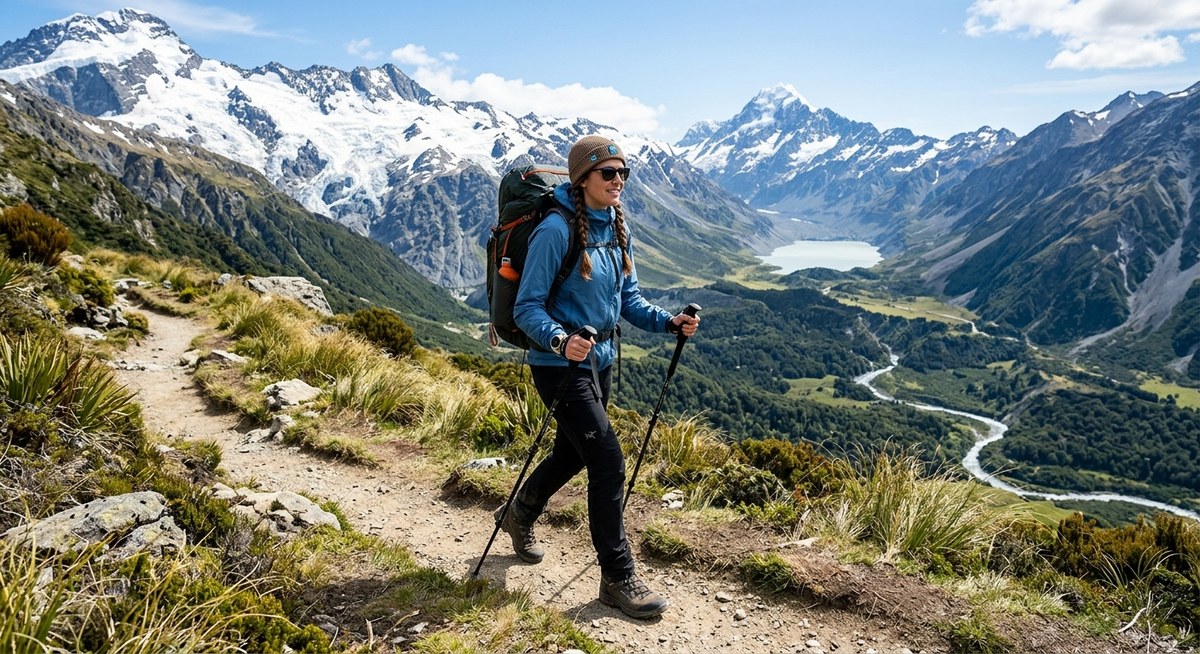
Hiking is about freedom, adventure, and connection with nature. Carrying the right gear can make or break your experience. When you prioritize lightweight gear that also endures the rigors of outdoor life, you gain comfort, efficiency, and peace of mind. But finding gear that balances weight and durability isn’t always straightforward. This guide will share top tips to help you select hiking gear that’s both light on your back and tough enough for your adventures.
Choosing lightweight hiking gear involves balancing weight with durability. Focus on quality materials, multi-purpose items, and proper fit. Prioritize essentials and test your gear on shorter hikes before longer trips for a more comfortable and reliable outdoor experience.
Understand Your Hiking Needs and Conditions
Before selecting gear, get clear on your specific hiking plans. The terrain, climate, and trip duration influence what you need. For example, a summer day hike in a forest demands different gear than a multi-day alpine trek. Knowing your environment helps you prioritize certain features over others.
Assess terrain and weather
- Will you encounter rain, wind, or snow?
- Is the trail rocky, muddy, or smooth?
- Will you need insulation or just a light layer?
Define trip length
- Day hike or multi-day adventure?
- Will you need to carry extra food, water, or gear?
Understanding these factors guides your choices toward gear that is lightweight yet durable enough for your specific context.
1. Focus on Quality Materials
Durability and weight are often inversely related, but advancements in fabric technology have changed that. Look for gear made from high-quality, lightweight materials designed to withstand the outdoors.
Key materials to consider
- Ripstop nylon and polyester: Strong, tear-resistant, and light, perfect for tents, backpacks, and jackets.
- Dyneema or Cuben fiber: Ultra-lightweight fabrics used in high-end tents and shelter systems.
- Ripstop or TPU coatings: Add durability and water resistance without extra weight.
Practical tip
Invest in gear with reinforced stress points. For example, a backpack with padded straps and reinforced seams will last longer and save you from repairs or replacement.
2. Opt for Multi-Use and Modular Gear
Reducing the number of items you carry is crucial. Choose gear that serves multiple functions or can be adapted for different needs.
Examples include
- Convertible clothing: Pants that turn into shorts.
- Multi-purpose tools: A spoon that doubles as a spatula or a knife.
- Shelter systems: Tents that can be used as tarp or bivvy for flexibility.
Benefits
This approach minimizes weight while maintaining all necessary functions. It also simplifies packing and reduces the chances of forgetting essential items.
3. Prioritize Proper Fit and Comfort
Lightweight gear is no good if it doesn’t fit well or causes discomfort. Ill-fitting gear can lead to chafing, blisters, or fatigue, which ruins the outdoor experience.
Tips for proper fit
- Try gear in-store when possible or ensure accurate sizing online.
- Adjust straps and harnesses to fit snugly but comfortably.
- Choose ergonomic designs that distribute weight evenly.
A well-fitting, comfortable pack and clothing improve your stamina and make your hike more enjoyable.
4. Use Lightweight and Durable Footwear
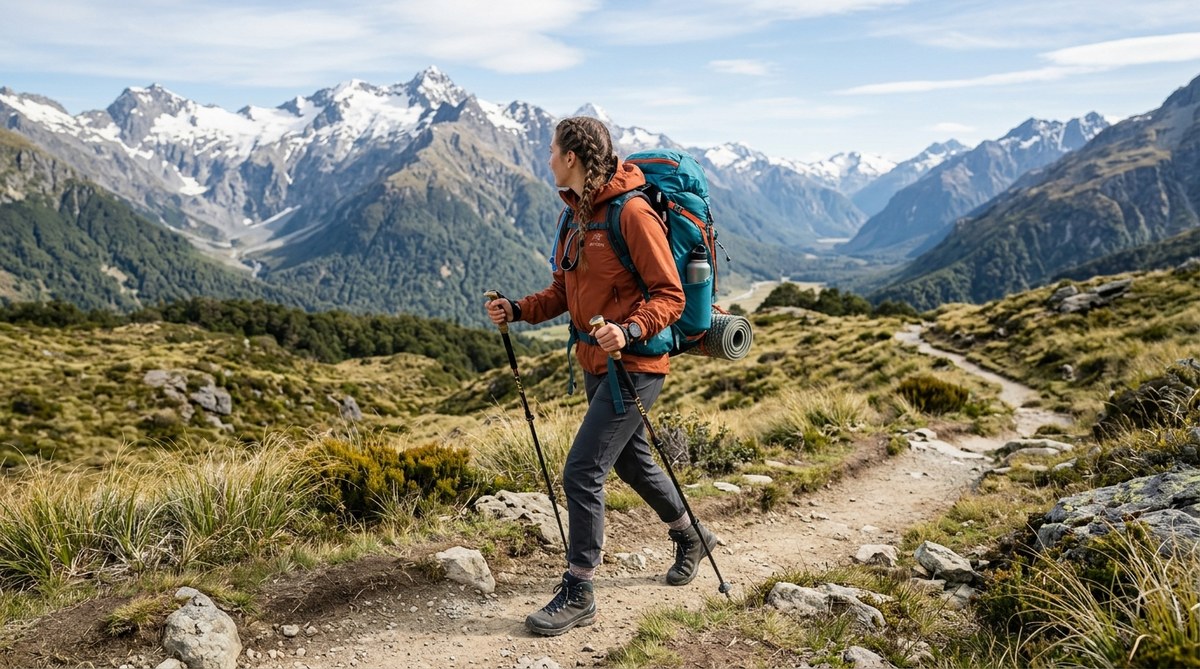
Shoes are your primary contact with the terrain. Lightweight hiking shoes or trail runners are excellent for day trips. For longer treks, look for boots that balance support with minimal weight.
Features to look for
- Breathable materials to keep feet dry
- Good traction for varied terrain
- Reinforced toe caps and heel counters for durability
Common mistakes
| Mistake | Effect | How to avoid |
|---|---|---|
| Choosing overly stiff boots | Causes fatigue | Opt for flexible, supportive shoes |
| Ignoring fit | Leads to blisters | Always try shoes with socks similar to your hiking gear |
| Sacrificing grip for weight | Risk of slips | Prioritize traction over minimal weight |
5. Pack Light but Don’t Skimp on Essentials
Carrying unnecessary items adds weight and slows you down. Focus on essentials that are lightweight yet reliable.
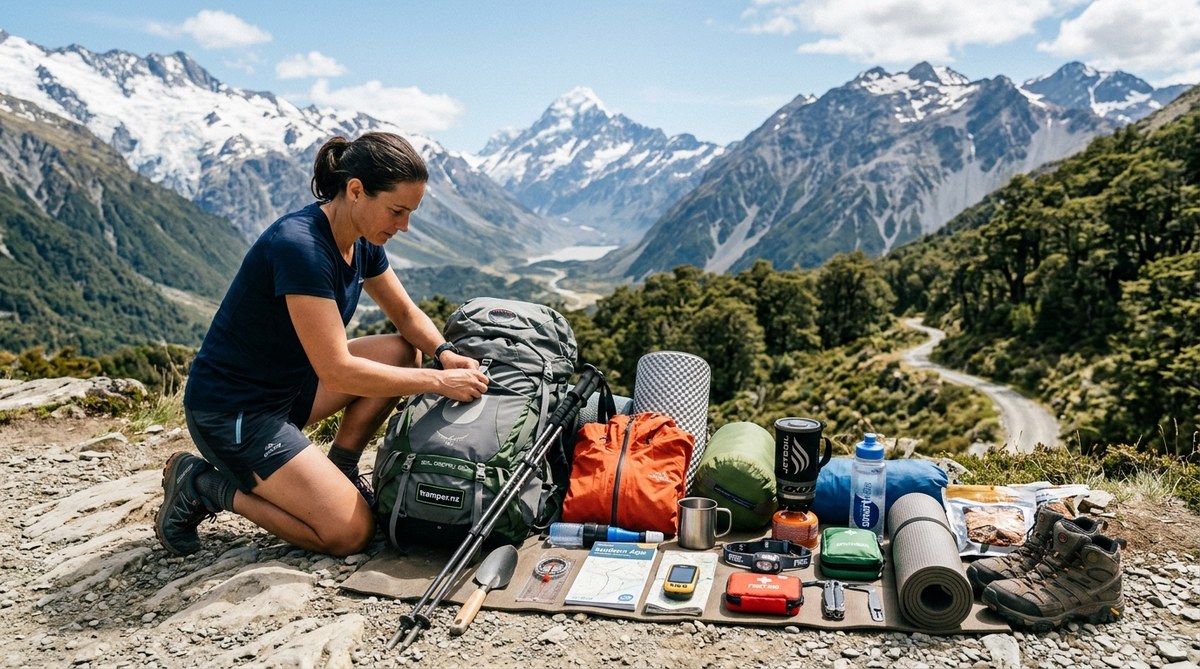
Essential lightweight gear checklist
- Ultralight backpack
- Weather-appropriate clothing
- Compact sleeping system
- Lightweight stove and cookware
- Water filtration or purification system
- Emergency kit
Practical process
- List your essentials based on your trip.
- Research ultralight versions of each item.
- Test your gear on shorter trips before longer adventures.
6. Choose Proper Sleeping Systems
Sleep quality affects your energy and safety. Lightweight sleeping bags, quilts, and pads are now high-performance.
Tips for sleeping gear
- Use inflatable or foam mats that are compact and durable.
- Select sleeping bags or quilts rated for the expected temperatures.
- Avoid bulky, heavy bedding items.
Expert advice
“A good night’s sleep is crucial. Invest in a lightweight sleeping pad that offers insulation and support, and pair it with a sleeping bag suited for your climate.” — Outdoor gear specialist
7. Test and Refine Your Gear
Once you have your gear, take it on shorter hikes. This helps you identify any discomforts or weaknesses.
Techniques for testing
- Pack your gear as if for a real trip.
- Walk on different terrains.
- Pay attention to weight distribution and comfort.
Common mistakes
| Mistake | Consequence | How to fix |
|---|---|---|
| Overpacking | Fatigue | Trim non-essentials |
| Ignoring fit | Discomfort | Adjust gear or exchange for better fit |
| Not testing | Surprises on trip | Do trial runs beforehand |
Maintaining Your Lightweight Gear for Longevity
Proper care extends the life of your gear. Clean your gear regularly, store it in dry conditions, and repair minor damages promptly.
Quick maintenance tips
- Clean with gentle soap and water.
- Dry thoroughly before storing.
- Repair tears or worn spots early.
A Few More Tips for Success
- Pack strategically: Place heavier items close to your back for balance.
- Check weather forecasts: Adjust your gear accordingly.
- Stay flexible: Be ready to adapt your gear choices based on experience and conditions.
Your Next Step Towards Better Hiking
Choosing gear that is both light and durable takes a bit of effort but pays off in comfort and confidence. Focus on quality, multi-use items, and proper fit. Test your gear before your big adventure to ensure it performs well under real conditions. With the right setup, your outdoor journeys will be more enjoyable and less burdensome.
Happy hiking, and remember that the best gear is the one that feels just right for your adventures. Keep refining your choices, and you’ll find that lightweight, durable gear becomes your trusted companion on every trail.


Leave a Reply