
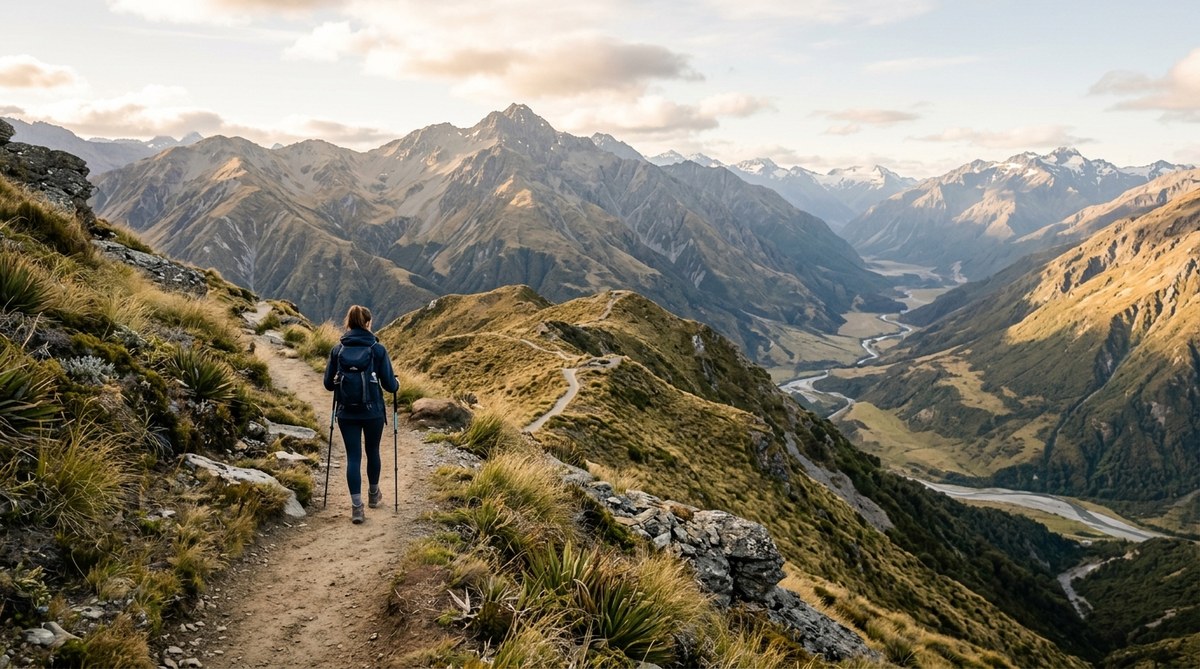
You pull up to the trailhead at 9 a.m. on a Saturday in July. The parking lot is overflowing. A dozen groups are already milling around with selfie sticks. You wanted fresh air and quiet, but instead you got a conga line. It is a familiar disappointment, especially on beloved trails. The good news is that solitude on popular hiking trails is not a myth. It just takes some planning and a willingness to bend your routine. With the right strategies, you can still enjoy those classic routes without feeling like you are part of a parade.
Finding solitude on popular hiking trails is possible if you adjust your timing, choose less obvious alternatives, and embrace nonpeak conditions. Start by hiking on Tuesday mornings instead of Saturday. Pick longer loops over out and backs. Use weather apps to spot gaps between showers. With these tactics, you can experience even crowded classics like a private escape.
Why Popular Trails Feel Like a Superhighway
It is not just you. National parks and state forests across the United States have seen record visitation every year since 2020. Social media highlights have turned once quiet paths into viral hotspots. When everyone has the same free weekend and the same AllTrails list, congestion is inevitable. But the crowds tend to cluster at predictable spots: the first mile from the trailhead, viewpoints that are within a 20 minute walk, and the first few switchbacks on a climb. The rest of the trail is often much emptier.
The Number One Solidity Hack: Change Your Clock
The single most effective way to find quiet is to hike when most people are not hiking. That sounds obvious, but most of us still default to Saturday at 10 a.m. Here is what works.
Weekdays Beat Weekends Every Time
If you can take a random Tuesday off, do it. Even a Thursday afternoon is often 80 percent less crowded than a Sunday. Weekday hikers are usually more experienced and more respectful of trail etiquette. You will encounter fewer large groups and far fewer disruptive speakers.
Go Early or Go Late
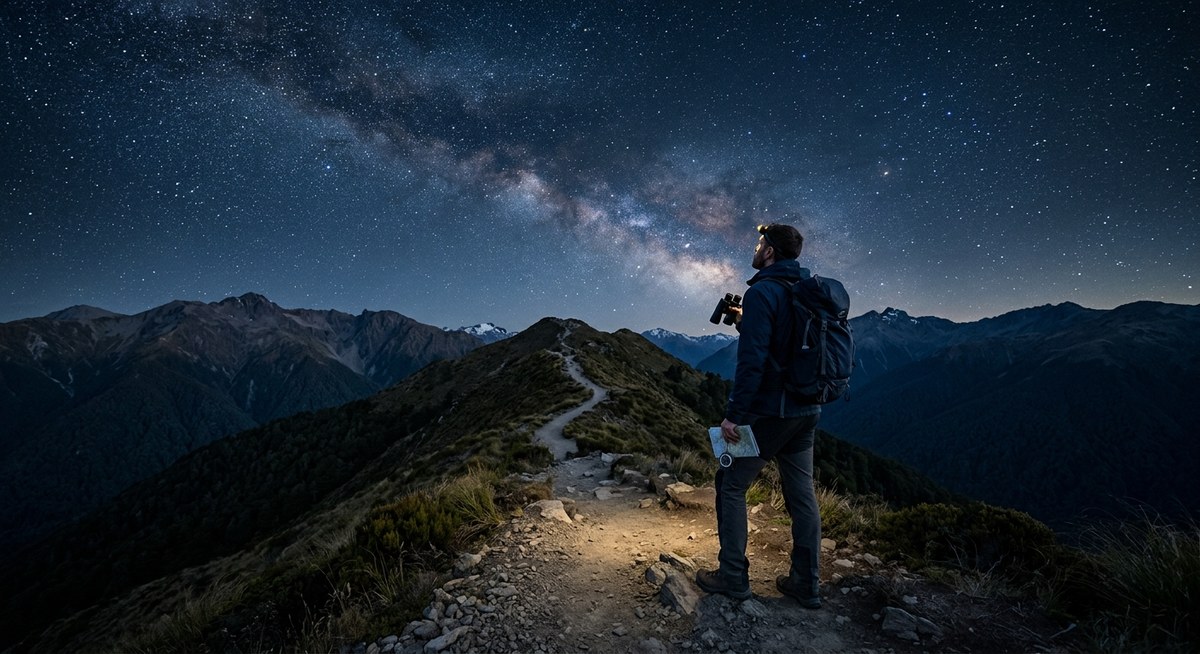
Sunrise hikers get the trail to themselves for at least an hour. On a popular route like the Yosemite Valley Loop (which sees over a million visitors a year), arriving by 6 a.m. in summer means you can walk the whole loop before the shuttle buses drop off the first wave. Similarly, starting a hike at 4 p.m. on a summer afternoon scares off the day hikers who want to be home by dinner. You get golden light and solitude in exchange for carrying a headlamp.
Off Season Is Your Secret Weapon
Most popular trails have a shoulder season that is almost empty. For example, the Appalachian Trail in the White Mountains is heaving from July through mid August. But hike it the last week of September or the third week of May, and you might see three people all day. The weather is less reliable, but that is exactly why it works.
Choose the Less Obvious Variation
Every famous trail has a less famous sibling. Instead of the classic out and back, try a longer loop that requires more mileage or more elevation gain. The extra effort filters out the casual weekenders.
Longer Loops Filter the Crowd
Take Angels Landing in Zion National Park. The lottery system has improved things, but you still share the chains with dozens of people. Instead, hike the West Rim Trail from Lava Point. It is longer, harder, and requires a shuttle. You will see maybe ten people on a perfect day.
Alternate Trailheads
Many popular destinations have multiple entry points. For instance, instead of starting at the main Gorge Trailhead in Watkins Glen State Park, use the South Rim Trail. You miss the waterfall crowd and still see the best scenery. Always check the park map for secondary access points.
Embrace “Bad” Weather
Rain is the fastest crowd repellent. A light drizzle keeps most hikers home. Put on a decent rain jacket and waterproof boots, and you will often have whole ridges to yourself. Same goes for wind or fog. As long as lightning is not a factor, hiking in marginal weather is safe and incredibly peaceful.
Use Data to Predict Crowds
You do not need to be a data scientist. Apps like AllTrails and Gaia GPS show recent trip reports. Look for comments that say “very busy” or “parking full by 8 a.m.” and avoid those days. Many parks now publish real time parking lot status on their websites. Check that before you drive. For example, the Rocky Mountain National Park Twitter feed (X) posts lot updates hourly during peak season.
Go Deeper Than the Average Hiker
Most people stop after two or three miles. If you are willing to push past the four mile mark, you will find dramatically fewer people. Even on the busy Mist Trail in Yosemite, the crowds thin out after Vernal Fall. Continue to Nevada Fall and beyond, and suddenly it is quiet.
Bushwhacking With Caution
Off trail travel is a legitimate way to escape crowds, but only if you have solid navigation skills and proper gear. Stick to open forests and avoid fragile meadows. Use a map and compass or GPS. If you are not confident, start by exploring a short cross country connector between two well known trails. It is a small step toward solitude without getting lost.
A Practical Step by Step Process
Here is a numbered list you can follow the next time you plan a hike.
- Select the trail you want to hike. Open your mapping app and note the peak season and typical busy hours (usually late morning to early afternoon on weekends).
- Identify the longest or most difficult version of that route. If the standard loop is 4 miles, find the 8 mile loop that covers the same area.
- Pick a day that is not Saturday or Sunday. Tuesday through Thursday are best. If you must go on a weekend, aim for an arrival time of 6 a.m. (winter) or 5 p.m. (summer).
- Check the weather forecast. If there is a 30 percent chance of scattered showers, do not cancel. Go. The rain risk will cut the crowd by half.
- Pack for the conditions you chose. For early starts: headlamp, extra layers, snacks. For wet weather: rain gear, dry socks, waterproof pack liner.
- Arrive at the trailhead and note the parking situation. If it is already full, have a backup plan: a nearby alternative trail that is less famous.
- Hike at a steady pace past the first major viewpoint. Do not stop there. Continue for at least another mile. Then stop for your break.
Mistakes That Cost You Solitude
Some well meaning strategies backfire. Here is a table of common mistakes and better alternatives.
| Mistake | Why It Fails | Better Approach |
|---|---|---|
| Hiking on a federal holiday | Everyone else has the same day off. | Choose a regular weekday or a local holiday when schools are open. |
| Using the same trailhead as every guidebook | High traffic guaranteed. | Research secondary trailheads or walk opposite direction on a loop. |
| Relying on “less traveled” forum posts from 2018 | Conditions change fast. | Check recent trip reports (within 2 weeks). |
| Starting at 7 a.m. on a summer Saturday | Still beats 10 a.m., but not by much. | Go at 5 a.m. or 4 p.m. |
| Bringing a big group (6+ people) | Harder to move quietly, harder to find parking. | Go solo or with one partner. Smaller groups find gaps easier. |
Expert Advice from a Seasoned Trail Finder
“I have hiked the Grand Canyon’s Bright Angel Trail over thirty times. The secret is simple: start at 3 a.m. in the dark. You see the sunrise from the rim, you are done by 10 a.m., and you pass maybe two other parties the whole way. Most people are too scared of the dark to try it. Their loss.”
- Mark Rivera, veteran backpacker and author of “Quiet Paths: Finding Peace in America’s Busiest Parks” (2025)
A Bullet List of Solitude Strategies
- Hike when the weather is marginal: light rain, fog, or moderate wind.
- Pick trails that require a permit but have low demand days (midweek lotteries).
- Walk the opposite direction of the crowd on a loop trail.
- Use trails that are closed during peak hours (some parks open gates later).
- Volunteer for trail maintenance crews. You get after hours access and insider knowledge.
How to Keep Your Solitude Ethical
When you find a quiet spot, respect it. Do not blast music. Keep voices low. Stay on the trail to avoid widening it. Pack out all trash, including orange peels and toilet paper. Solitude is fragile. If you practice Leave No Trace, the next person can enjoy the same quiet.
Putting It All Together for Your 2026 Adventures
You do not need to abandon popular trails. You just need to outsmart the crowds. Use the timing, route, and weather hacks above. If you want more ideas, check our guide to discovering the most scenic hiking trails for your next adventure or read about top tips for planning a safe and enjoyable trail hike. For those who want to go deeper, our article on how to plan a solo hiking adventure on the Appalachian Trail has additional strategies.
The Quiet Is Worth the Extra Effort
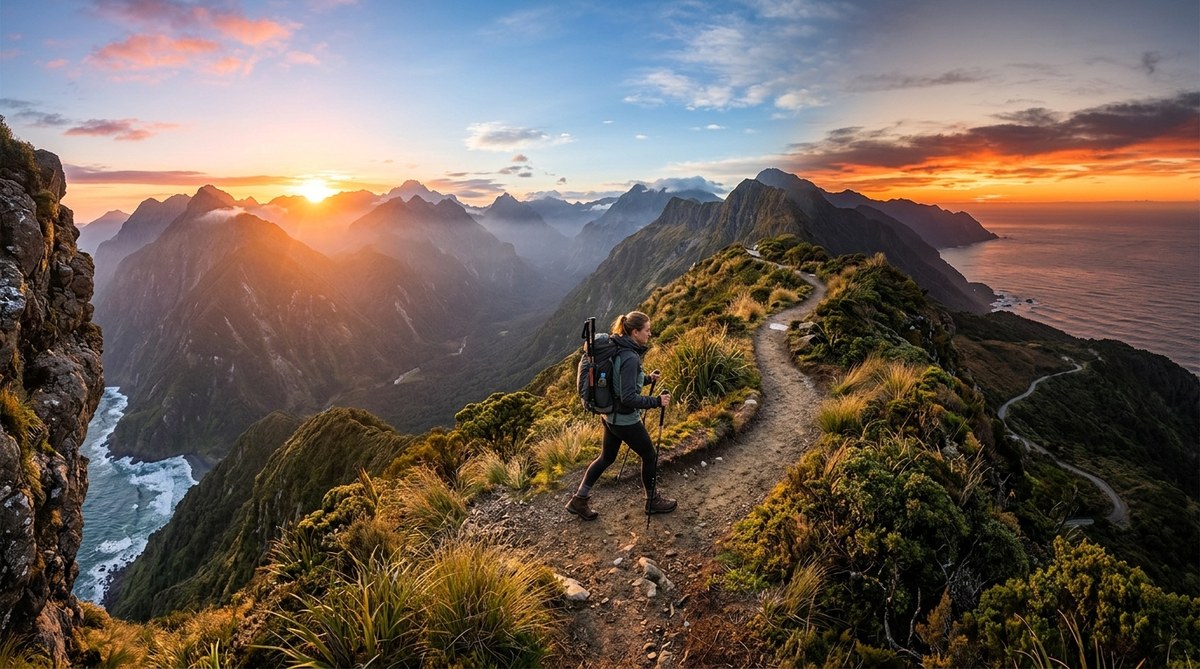
The first time you stand on a famous overlook with no one else around, you will remember why you started hiking. That moment of stillness is worth the early alarm, the wet boots, and the longer drive. Pick one trail that has been ruined by crowds for you. Apply one of these tactics next week. See what happens. You might just find that the trail you love still has some secrets left.

Leave a Reply