
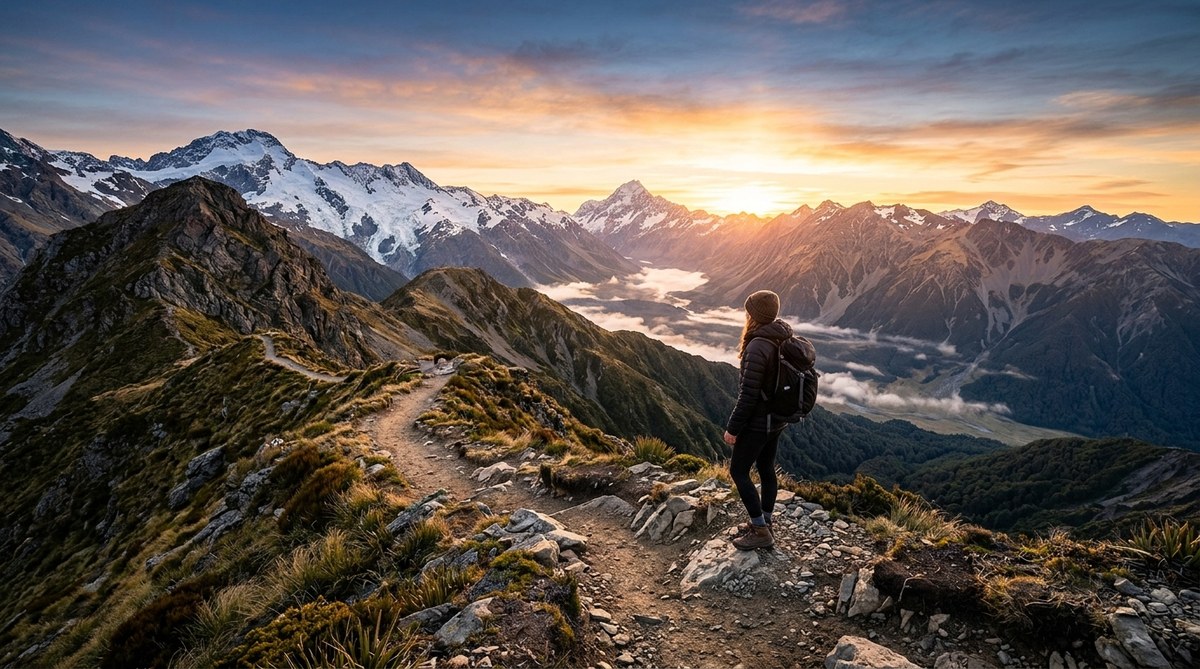
The best hiking trails for sunrise and sunset combine open western or eastern views with minimal tree cover. Success depends on checking trail direction, elevation gain, and timing. Pack a headlamp, extra layers, and a camera. Always study the weather and arrive early. This guide gives you the tools to plan your perfect golden hour hike.
There is a reason photographers and hikers alike wake before dawn or linger after dinner on the trail. The golden hour transforms familiar landscapes into something else entirely. Soft light paints the mountains, canyons, and coastlines in shades of orange, pink, and purple. If you want to witness these moments from the trail, you need more than luck. You need the right approach. This guide will help you pick the best hiking trails for sunrise and sunset, plan your timing, and stay safe while you chase incredible light.
## Why Sunrise and Sunset Hikes Feel Different
The light is warmer and shadows are longer. Colors pop in ways they never do at midday. Wildlife is more active in the cooler hours. And the crowds? They are usually still sleeping or heading home. For photographers, sunrise and sunset offer that dreamy softness no filter can replicate. For hikers, these times mean cooler temperatures and a deeper connection to the landscape.
But not every trail works for both sunrise and sunset. The direction of the trail matters just as much as the view.
## How to Choose the Right Trail for Golden Hour
Before you head out, ask yourself: Do you want to watch the sun rise or set? The answer determines which side of a mountain or canyon you should aim for. Here is a simple table to help you evaluate trails.
| Factor | Best for Sunrise | Best for Sunset |
|——–|—————–|—————-|
| Trail Orientation | Faces east (open view toward sunrise) | Faces west (open view toward sunset) |
| Elevation Gain | Moderate to high (gain height before dawn) | Moderate (arrive before the sun drops) |
| Distance | Short to moderate (2–5 miles) | Short to moderate (2–5 miles) |
| Tree Cover | Sparse or alpine (no tall trees blocking horizon) | Sparse or alpine |
| Water Features | Lakes or rivers that reflect the sky | Same – reflection adds magic |
| Difficulty | Moderate (hiking in dark requires more skill) | Easy to moderate (daylight on descent) |
Use this table as a filter when browsing lists like our 10 iconic hiking trails for sunrise and sunset views. Match the trail’s orientation to your goal.
## Essential Gear for Golden Hour Hikes
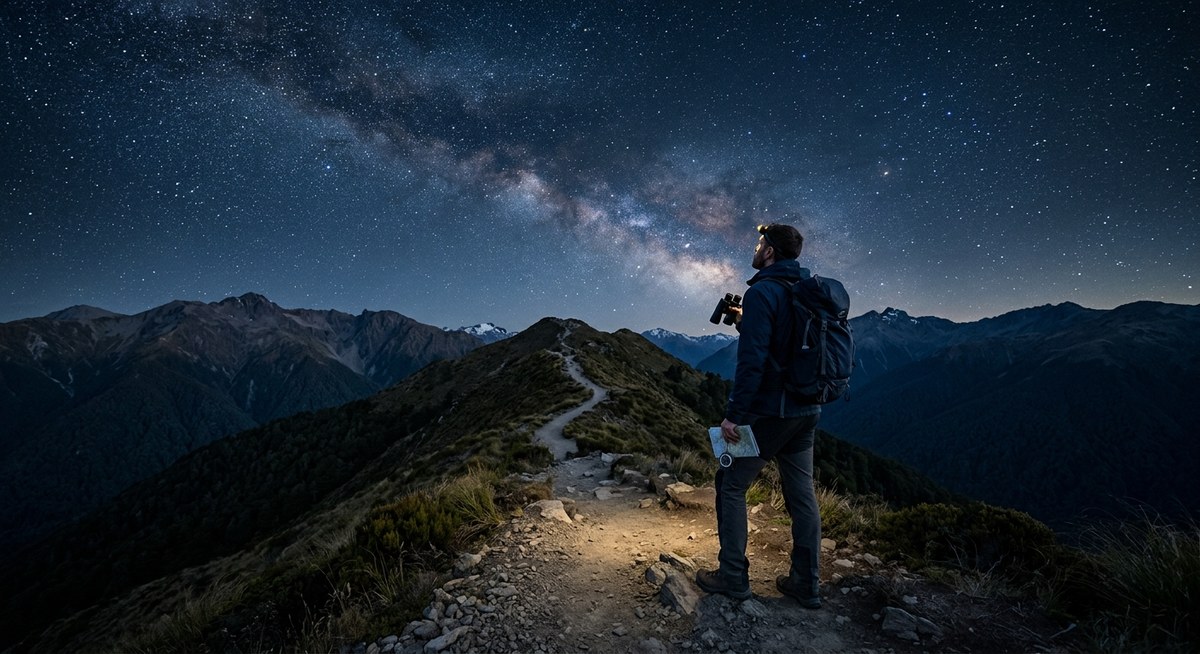
You will be hiking in low light or total darkness at least part of the time. That changes everything. Pack these items every time.
* A reliable headlamp with fresh batteries or a backup power bank
* Extra layers (temperatures drop fast before sunrise and after sunset)
* Trekking poles for stability in low visibility
* A camera or smartphone with a tripod for long exposures
* Snacks and water (you will be out longer than you think)
* A map or GPS downloaded offline – cell service is not guaranteed
* A whistle and space blanket in case of emergency
For a deeper gear rundown, check our [essential outdoor gear every hiker should pack for long trails](https://tramper.nz/essential-outdoor-gear-every-hiker-should-pack-for-long-trails/). That list covers everything from boots to backpacks.
## A Step by Step Plan for a Sunrise or Sunset Hike
Follow these steps to make your golden hour hike safe and memorable.
1. **Pick your trail and check the direction.** Use the table above. If you want a sunrise, choose a trail that heads east with open views. For sunset, go west. Avoid trails that stay deep in a canyon or dense forest.
2. **Look up sunrise or sunset time for your exact date.** Use a reliable weather app. Add at least one hour of buffer time for hiking to the viewpoint and setting up. Remember that the best light begins 20 to 30 minutes before the actual sunrise or sunset.
3. **Check the weather and trail conditions.** Rain, fog, or low clouds can ruin the view. Wind can be dangerous on exposed ridges. Check recent trip reports or the park service website.
4. **Tell someone your plan.** Share the trail name, your start time, expected return, and emergency contacts. Even if you hike with a group, it is smart to leave a note.
5. **Arrive early and hike with your headlamp on.** For sunrise, start hiking in the dark. Mark your route with memory or GPS. Use trekking poles for uneven terrain. For sunset, arrive at least 30 minutes before the scheduled time to claim a good spot.
Planning is half the adventure. For more detailed tips on trail readiness, read our [top tips for planning a safe and enjoyable trail hike](https://tramper.nz/top-tips-for-planning-a-safe-and-enjoyable-trail-hike/).
## Common Mistakes and How to Avoid Them
Even experienced hikers make errors when chasing the golden hour. Here are three big ones.
1. **Underestimating the return hike.** If you hike to a sunset viewpoint, you will walk back in the dark. That return leg can feel longer and more tiring. Bring extra light and layers.
2. **Choosing a trail that faces the wrong direction.** A stunning ridge might face south or north. You will see the sun but not the colorful sky. Always verify the trail’s orientation on a map or by reading trail descriptions.
3. **Forgetting to check the sun’s actual position.** In summer, the sun sets farther north. In winter, it sets farther south. Use an app like Sun Surveyor or The Photographer’s Ephemeris to see exactly where the sun will appear relative to the trail.
> **Expert Advice:** “The best sunrise hikes are the ones you start in total darkness. Your eyes adjust faster than you think, and the reward of seeing the first rays hit a peak you climbed by headlamp is unmatched. Just make sure your batteries are fresh.” – Mark T., guide in Rocky Mountain National Park.
## Trails That Deliver on the Promise
While we have a full list on our pillar page, a few classics deserve a mention. In the United States, try Angels Landing in Zion National Park for sunrise (permit required, early start). In the Pacific Northwest, the Maple Pass Loop offers a breathtaking sunset over the North Cascades. For a coastal option, the Kalalau Trail on Kauai’s Na Pali Coast delivers unforgettable sunsets above the ocean.
If you prefer less crowded paths, our [explore hidden gems guide](https://tramper.nz/explore-hidden-gems-uncover-off-the-beaten-path-hiking-trails-for-your-next-adventure/) points you to trails where you can enjoy the golden hour without the selfie sticks.
## Safety Checklist for Low Light Hiking
A quick bulleted list to run through before you leave your car.
– Headlamp (test it – don’t just turn it on)
– Extra batteries or power bank
– Warm layers (even in summer, mountain tops get cold)
– Waterproof jacket in case of unexpected rain
– Map and compass (or fully charged phone with offline maps)
– First aid kit with blister care
– Sunscreen (for the exposure on the way back)
– Trowel and waste bags (leave no trace)
For a more comprehensive safety read, see our [how to plan a solo hiking adventure on the Appalachian trail](https://tramper.nz/how-to-plan-a-solo-hiking-adventure-on-the-appalachian-trail/) – the principles apply to any solo golden hour hike.
## Making the Most of Your Golden Hour Experience
Once you are on the trail, slow down. Turn off your phone’s notifications. Sit quietly. Let the colors change. The best sunrise or sunset hikes are not just about the photo. They are about being present. The way the light moves across the rocks. The sounds of birds waking up or settling in. The cold air on your face.
If you bring a camera, shoot in manual mode and bracket exposures. Use a tripod for sharp shots in low light. But do not forget to just watch. The memory will last longer than the image.
## Your Next Golden Hour Adventure Awaits
You now have the knowledge to pick the best hiking trails for sunrise and sunset, pack the right gear, plan your timing, and avoid common pitfalls. Whether you are a photographer chasing that perfect shot or a hiker seeking a quieter trail experience, these tips set you up for success.
Next time you see a weather forecast with clear skies, grab your headlamp, pull up our 10 iconic hiking trails for sunrise and sunset views, and start planning. The trail is waiting. The light will not wait forever.

Leave a Reply