
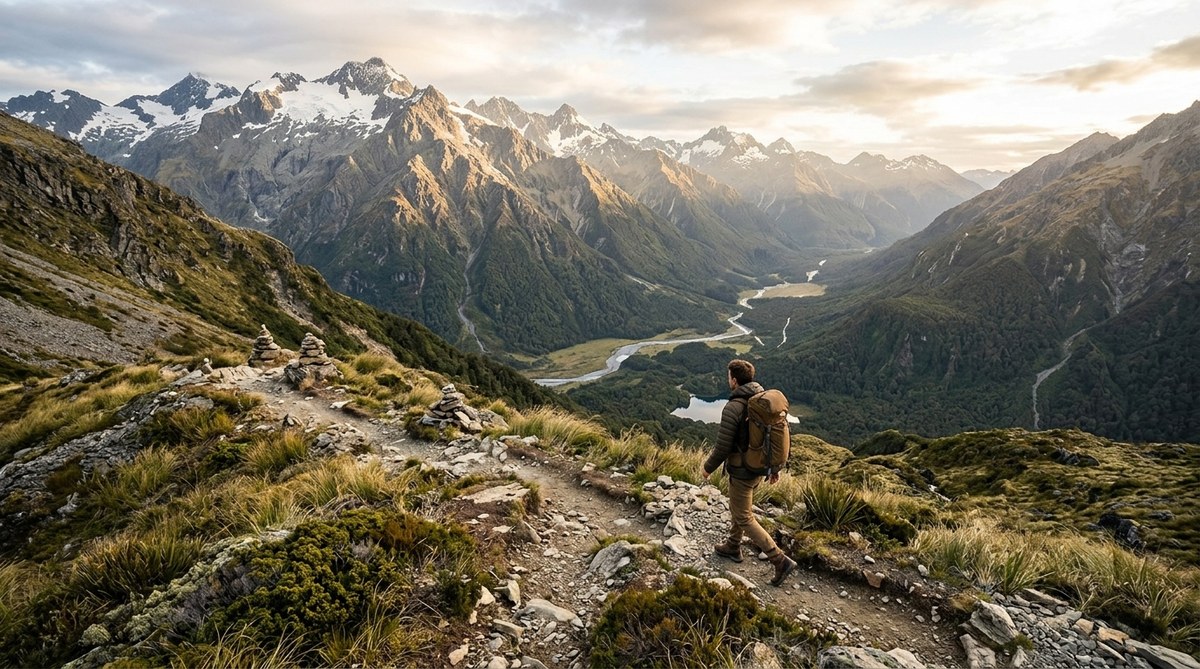
You lace up your boots at a parking lot crowded with RVs. You follow a gravel path wide enough for two people to walk side by side. Every quarter mile a sign points to the next landmark. This trail is nice. But it is not a wilderness trail. Real wilderness trails feel different. They pull you away from the sounds of civilization. They demand your full attention. They reward you with a sense of discovery that a paved path cannot give. So what exactly makes a hiking trail a wilderness trail? The answer goes beyond a label on a map. It lives in the features you can see, hear, and feel under your feet. Let us walk through the key traits that separate a wilderness trail from a standard recreational path.
A wilderness hiking trail is defined by remoteness, minimal development, primitive conditions, and a strong sense of solitude. Look for narrow treads, natural obstacles, scarce signage, and zero man made structures. These features demand better planning and skills but deliver a deeper connection to the natural world. Use them to choose trails that match your adventure goals.
What Defines a Wilderness Trail?
The United States has a legal definition of wilderness. The Wilderness Act of 1964 describes it as an area where the earth and its community of life are untrammeled by humans. That means no roads, no buildings, no motorized vehicles. Trails inside federally designated wilderness areas must follow those rules. But many excellent wilderness trails exist outside official boundaries too. The real test is not a government stamp. It is the character of the trail itself.
“A wilderness trail doesn’t fight the land. It follows the land. You will step over roots, duck under branches, and rock hop across creeks. That is the point.” – Ranger Diane, Deschutes National Forest
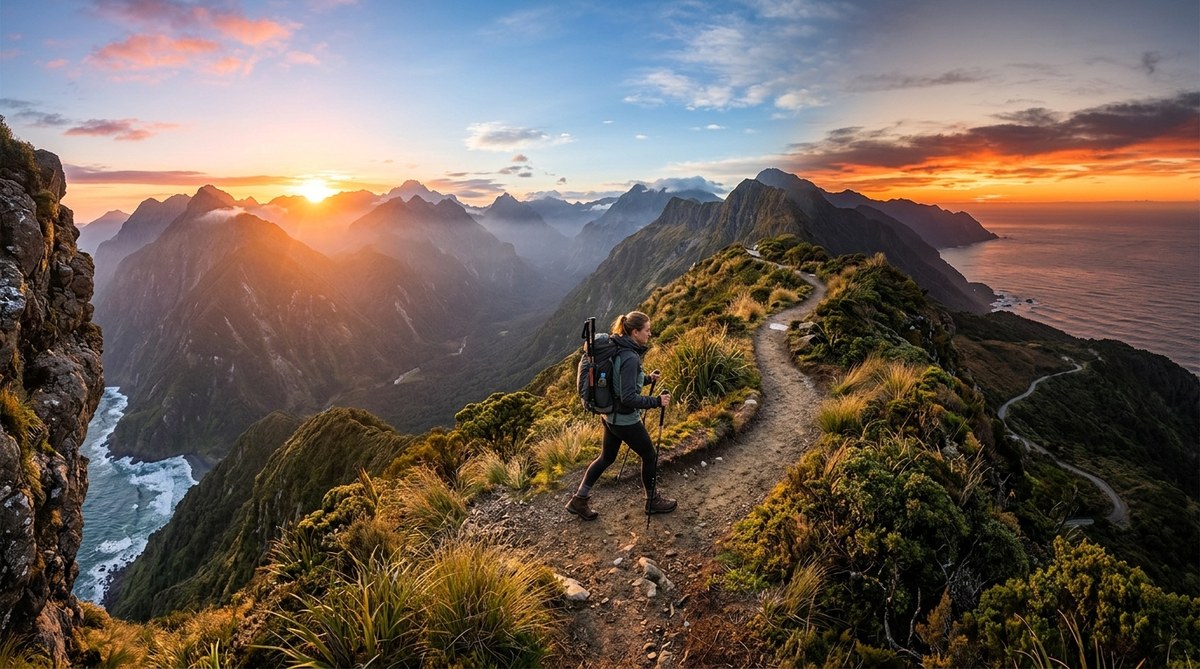
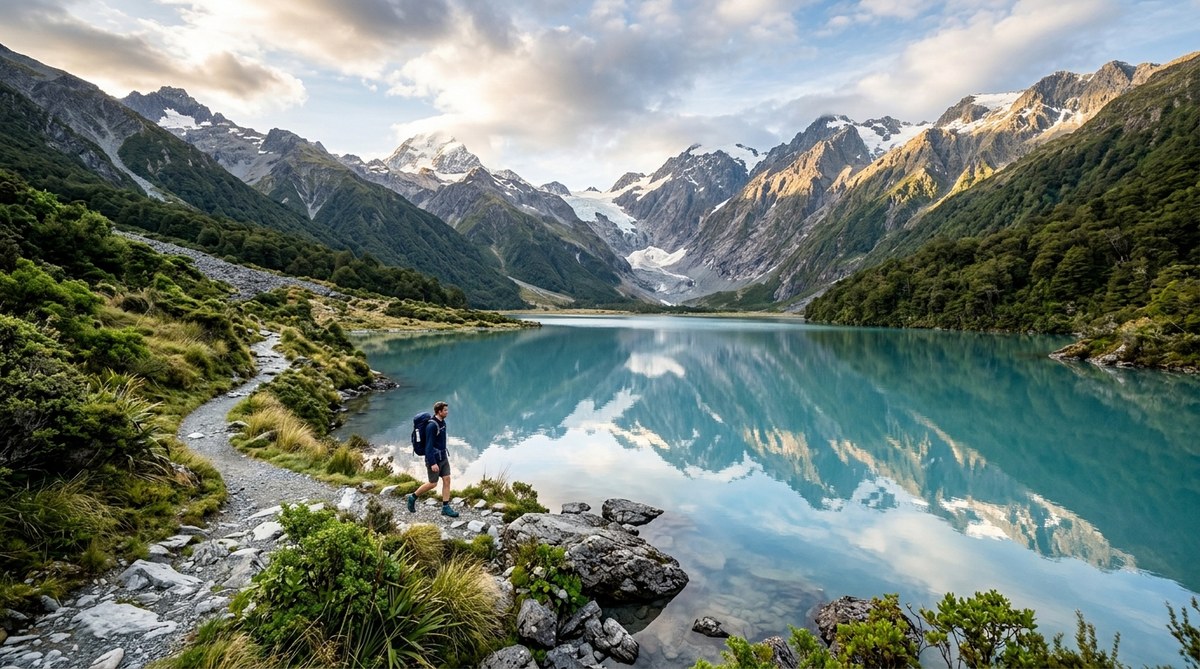
When you walk a trail that feels wild, you are experiencing centuries of natural forces shaping the path. No bulldozer graded the slope. No crew installed drainage culverts. The trail is a thin line scratched into the landscape. And it asks you to adapt.
Key Features to Identify a Wilderness Trail
Not every trail that claims to be wilderness lives up to the name. Use these markers to judge for yourself.
- Remoteness from roads and people. A wilderness trail should be at least a mile from maintained roads. You should not hear traffic. You should not see buildings. The trailhead often requires a drive on a gravel road.
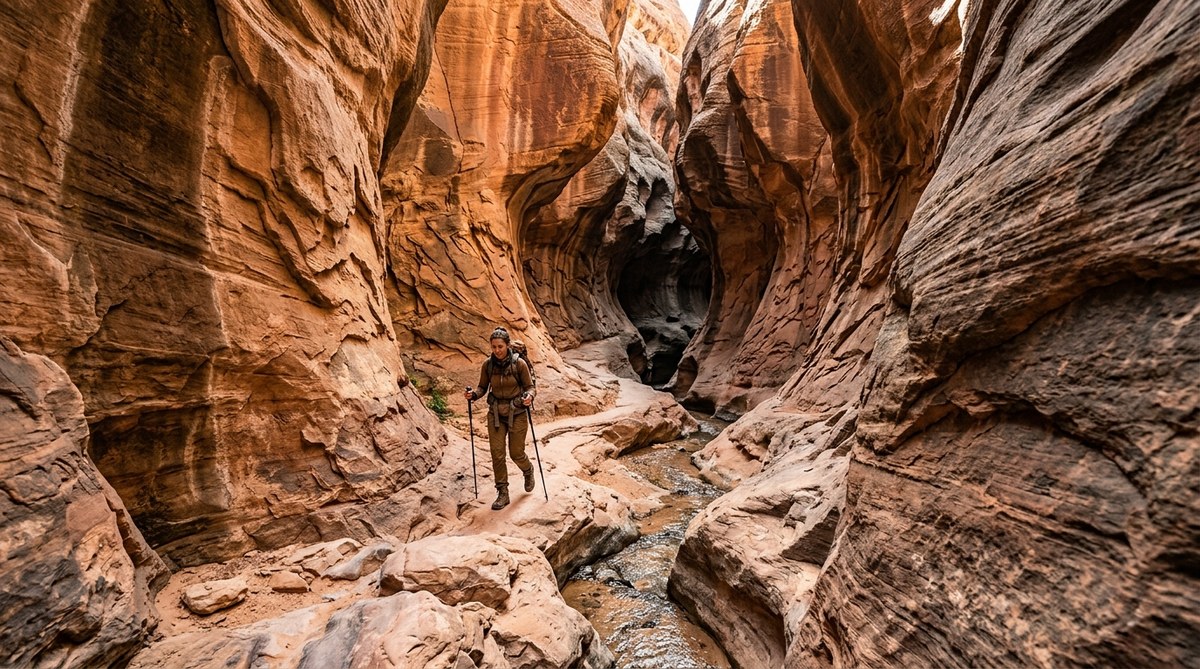
- Narrow and uneven tread. The path is often just 12 to 24 inches wide. It rises and falls with the terrain. You will encounter rocks, roots, and mud that force you to watch your footing.
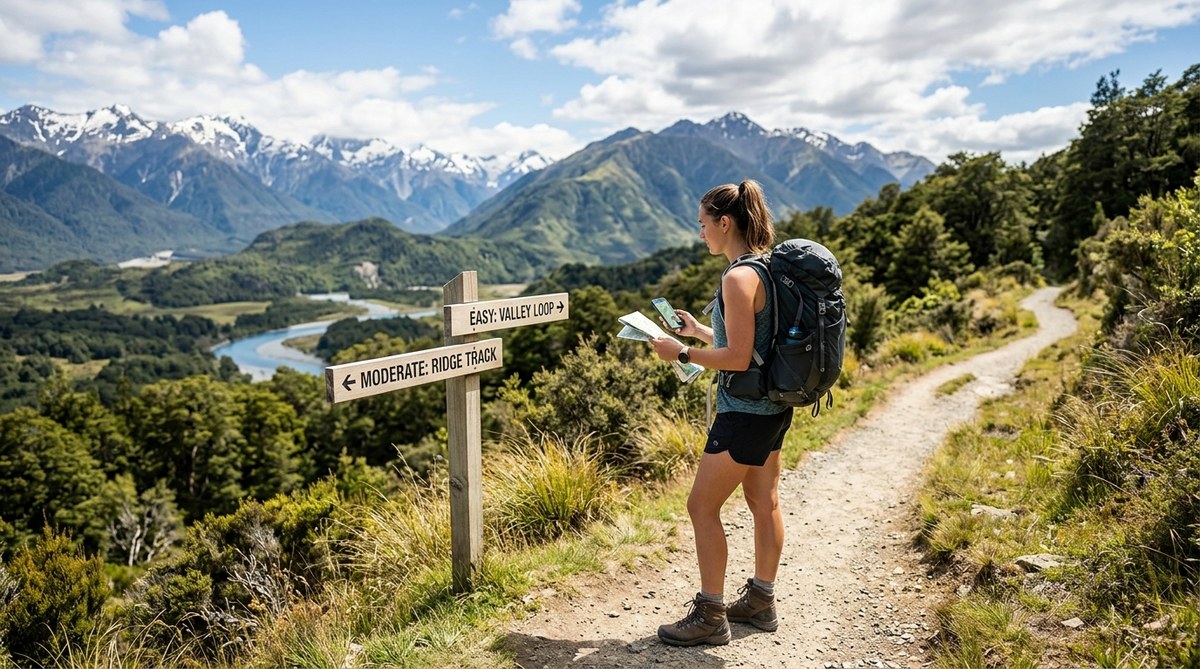
- Minimal to no signage. You might find a single wooden post at a junction. Blazes on trees may be old and faded. There are no mile markers, no interpretive panels, no “You Are Here” maps.
- Natural obstacles left as is. Fallen trees block the trail. Stream crossings have no bridges. You either go over, under, or find a way around. These are features, not maintenance failures.
- No facilities. No picnic tables, no trash cans, no vault toilets. Pack in everything, pack out everything. Even in popular wilderness areas, the rule is leave no trace.
- Solitude. You can hike for hours without seeing another person. This is the hardest feature to guarantee, but it is a hallmark of a true wilderness experience.
To help you get started, check out our guide on finding solitude on popular hiking trails. It offers strategies for escaping the crowds even in busy regions.
How Trail Conditions Reflect Wilderness Character
One of the clearest ways to tell a wilderness trail from a maintained path is by looking at the trail surface and surrounding development. The table below breaks down the differences.
| Feature | Maintained Recreational Trail | Wilderness Trail |
|---|---|---|
| Tread width | 3 to 6 feet wide, graded | 12 to 24 inches, uneven |
| Bridges | Present at every significant stream | Rare or absent; expect fords |
| Blazes and markers | Frequent, fresh paint, clear | Infrequent, weathered, natural |
| Trailhead amenities | Parking lot, restroom, kiosk | Dirt pull off, sometimes nothing |
| Cell service | Often available in sections | Very unlikely |
| Managed obstacles | Trees removed, drainage installed | Trees left, erosion natural |
If you see a trail that looks more like a sidewalk, it is not a wilderness trail. That does not make it bad. It just makes it different. For a wilderness experience, you want the right column.
The Role of Solitude and Primitive Experience
Solitude is not just a nice bonus. It is a core component of wilderness. The Wilderness Act explicitly mentions outstanding opportunities for solitude as a qualifying characteristic. So how do you know a trail will deliver that?
- Look at permit systems. Many wilderness areas limit daily visitors. If a permit is required, the trail is likely less crowded. Check the reservation process. A trail that caps users is designed for solitude.
- Check the distance from trailheads. Trails that start near parking lots often have heavy foot traffic in the first mile. A wilderness trail usually gains its solitude after a few miles. The longer the hike to reach the heart of the area, the fewer people you will see.
- Study the trail’s popularity online. Social media and hiking apps show recent traffic. If hundreds of recent reviews mention crowds, it is not a wilderness trail. Look for smaller, less promoted routes instead.
For those new to evaluating trail difficulty, our article on how to evaluate a hiking trail’s difficulty rating provides a simple system to match your skill level with the trail’s demands.
Why These Features Matter for Your Hike
Understanding wilderness trail features is not just about identification. It directly affects your safety and enjoyment.
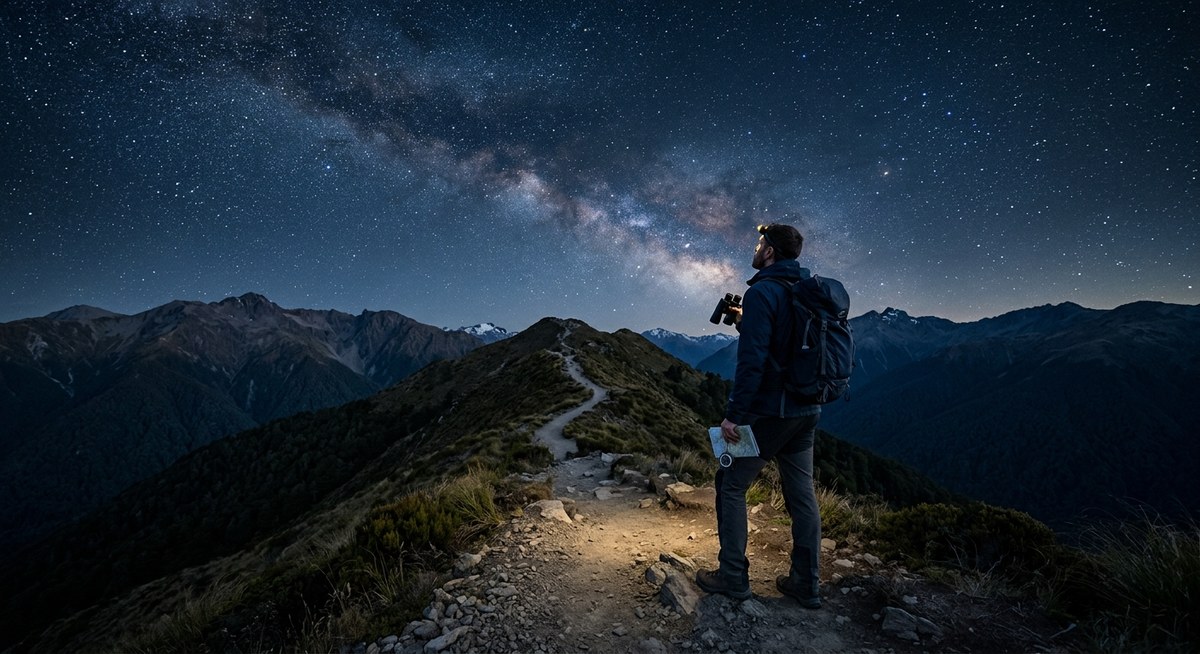
A trail with no signage means you need navigation skills. Bring a map and compass, and know how to use them. A trail with natural obstacles means you need sturdy footwear and good balance. A trail with no facilities means you carry all your water or treat every source. A trail that offers solitude means you might be hours from help if you get injured.
These are not warnings meant to scare you. They are expectations. When you know what a wilderness trail looks like, you can prepare properly. You can choose the right gear, the right companions, and the right mindset. And you can appreciate the trail for what it is, not complain about what it lacks.
Every wilderness trail tells a story. The deep tread shows the path of rain and snowmelt. The polished rocks show the passage of animals and human feet over decades. The silence shows that nature still holds a place where you can hear your own heartbeat.
Finding Your Own Wilderness Trail in 2026
This year, many hikers are craving experiences that feel raw and authentic. Social media has made every famous trail a destination. But wilderness trails remain quiet. If you want that feeling, you have to look a little harder.
Start by checking trails in national forests and Bureau of Land Management areas. Many have unofficial paths that never appear on top ten lists. Look for words like “primitive” or “backcountry” in the description. Read trip reports from a year ago to gauge current conditions. And be willing to drive an extra hour to a less famous trailhead.
For a curated list of exceptional routes, see our top 10 must-visit hiking trails in the U.S. for 2026. Several of them offer genuine wilderness stretches.
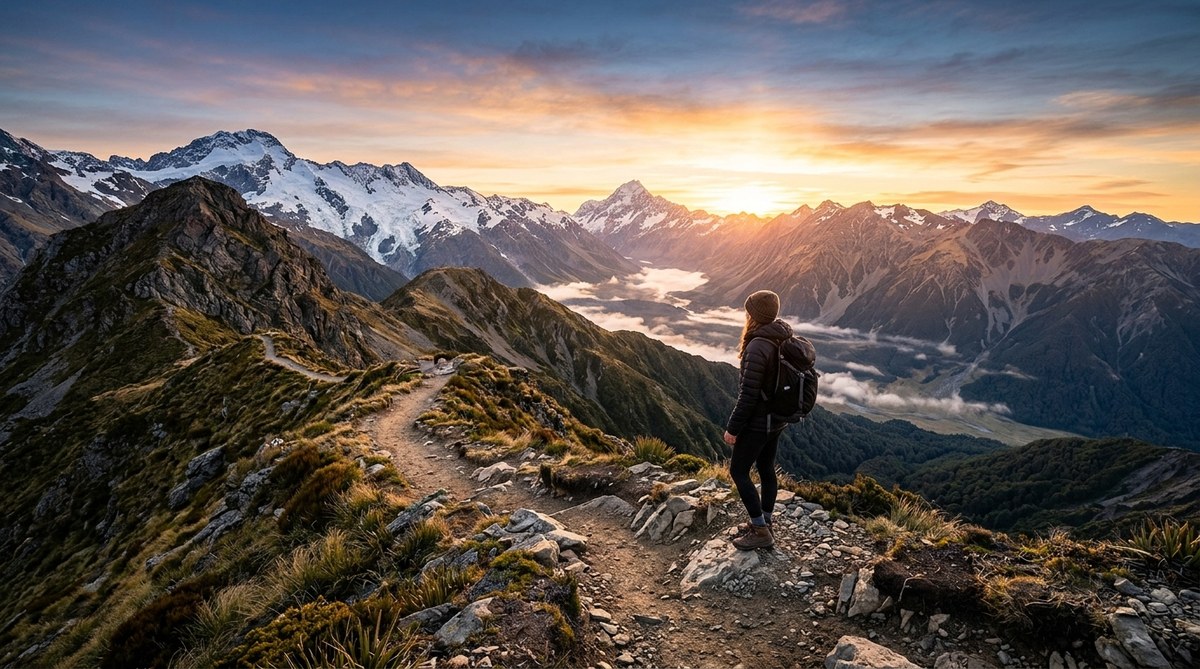
Remember: a wilderness trail does not need to be epic. It can be a five mile loop that climbs through old growth forest and crosses a mossy creek. What matters is how it makes you feel. If you step onto the trail and the world quiets down, you have found it. If you look up and see only trees and sky, you have found it. If you have to think about every step, you have found it. That is the magic.
So pick a trail that fits the features we covered. Pack your gear, tell a friend your plan, and go experience the kind of hiking that reminds you why we step into the wild. The trail is waiting.


Leave a Reply