
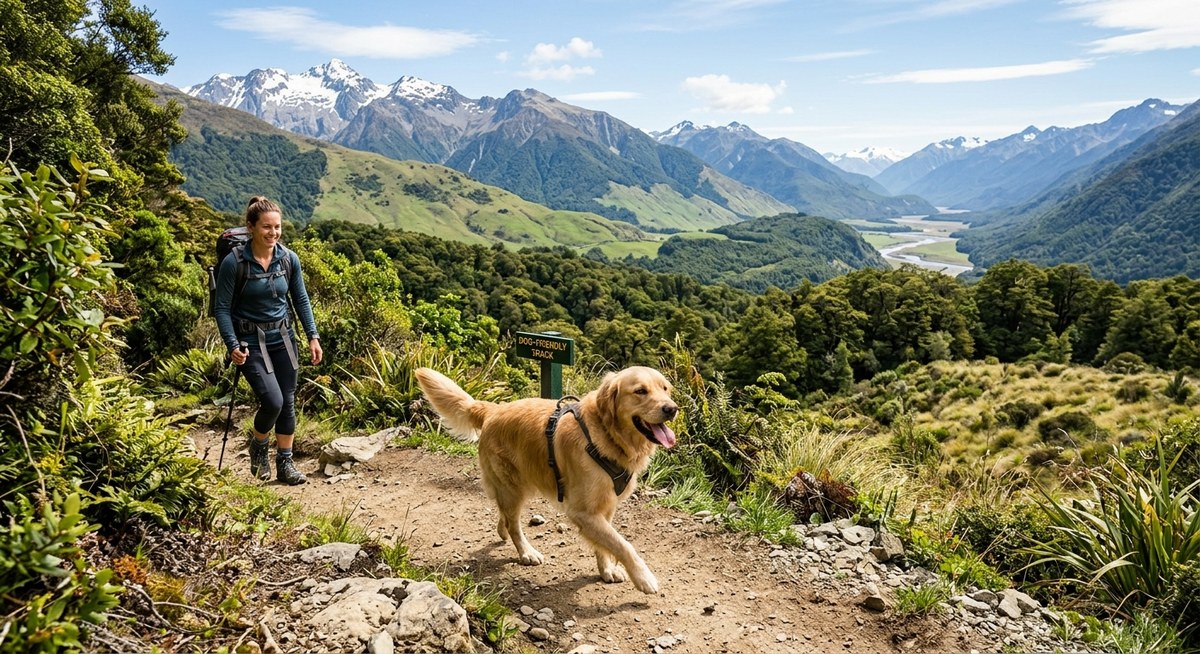
There is nothing quite like hitting the trail with your dog beside you. The wagging tail, the excited sniffing, the way they look back at you as if to say “is this the best day ever?” It is. For active dog owners, finding trails that welcome your four legged partner is key to a great outdoor adventure. Whether you have a high energy border collie or a sturdy lab mix who loves a long walk, the right trail makes all the difference. We have put together a guide to help you find the best dog-friendly hiking trails, know what to pack, and keep your pup safe on the path.
Finding great dog-friendly hiking trails means matching the trail difficulty to your dog’s fitness, packing the right gear for both of you, and following trail etiquette so everyone has a good time. Start with shorter, well marked routes, bring plenty of water and waste bags, and check local rules before you go. Your dog will reward you with endless tail wags.
What Makes a Trail Truly Dog Friendly
Not every trail that allows dogs is actually a good fit for your pup. Some are rocky and hard on paws. Others get overcrowded on weekends. A truly dog friendly trail has a few key features. It offers shade or water access during hot months. The surface is gentle on paws, think dirt or pine needles rather than sharp scree. And the trail is clearly marked so you do not end up lost with a tired dog.
Many state parks and national forests welcome dogs on leashes. Some even have off leash areas, though those are less common. Before you load up the car, check the specific rules for that trail. A few minutes of research can save you from a disappointing turn around at the trailhead.
Signs of a Good Dog Trail
- Wide enough for two way traffic so dogs do not feel cramped
- Moderate elevation gain that won’t exhaust a healthy dog
- Water sources like streams or lakes for a midday splash
- Shade coverage during peak sun hours
- Visible trail markers to prevent getting off course
Not every trail will have all of these, but aim for at least three. Your dog will thank you.
How to Pick the Right Trail for Your Dog
Every dog is different. A young athletic dog might handle a six mile hike with 1,500 feet of elevation. An older dog or one with short legs may prefer a two mile loop on flat ground. Be honest about your dog’s fitness level. A trail that seems easy to you might be a real challenge for your pup.
1. Match distance to your dog’s stamina
Start with short hikes and build up. A good rule of thumb is that most healthy dogs can handle about one mile per day for every 10 pounds of body weight. A 50 pound dog could manage a five mile hike, but not on their first day out. Start with two or three miles and see how they do.
2. Check the weather forecast
Dogs overheat faster than people. They cannot sweat the same way. If the temperature is above 80 degrees, choose a trail with shade and water. On hot days, go early in the morning or late in the afternoon. Pavement and bare rock can burn paw pads.
3. Look at recent trail reports
Websites and apps like AllTrails let you see recent reviews. Look for comments from other dog owners. They will tell you if the trail is muddy, overgrown, or full of ticks. They will also mention if they saw snakes or other wildlife.
4. Consider the terrain
A flat gravel path is very different from a boulder field. Rocky trails can hurt your dog’s paws. Sharp stones can cut pads. If you plan to hike on rough terrain, consider dog boots. Many dogs need time to get used to them, so practice at home first.
5. Know the leash rules
Even if your dog has perfect recall, many trails require a leash. This keeps your dog safe from wildlife and other hikers. It also protects birds and small animals. A six foot leash is standard. Retractable leashes can be dangerous on narrow trails, so leave those at home.
Essential Gear for Hiking With Your Dog
You would not leave home without your own gear. Your dog needs a kit too. Here is what you should pack for a safe and fun day on the trail.
| Gear Item | Why It Matters | Common Mistake |
|---|---|---|
| Collar with ID tags | Helps reunite you if your dog gets loose | Using a worn out collar that could snap |
| Six foot leash | Keeps your dog close on narrow or busy trails | Using a retractable leash that can tangle |
| Water and collapsible bowl | Prevents dehydration on warm days | Forgetting to offer water every 20 minutes |
| Dog first aid kit | Treats small cuts, blisters, or burrs | Not including tweezers for embedded thorns |
| Waste bags | Leave no trace and keep trails clean | Running out of bags mid hike |
| Dog boots | Protect paws on hot or sharp terrain | Putting them on for the first time on trail |
| High energy snacks | Replaces calories burned during the hike | Giving a full meal right before exercising |
Bringing the right gear is not just about comfort. It is about safety. A dog that gets dehydrated or cuts a paw pad can turn a fun hike into an emergency.
A Note on Dog Backpacks
Some dogs love carrying their own gear. A well fitted dog backpack lets your pup carry their own water and snacks. Start with a light load, no more than 10 to 15 percent of their body weight. Introduce the pack slowly. Let them wear it around the house before you hit the trail.
“I always tell clients to test new gear on a short walk first. Your dog needs to adjust to the feel of a backpack or boots. A long hike is not the place for a trial run.” – Dr. Sarah Mills, DVM and avid trail hiker
Top Dog-Friendly Hiking Trails to Try in 2026
The United States is full of incredible trails that welcome dogs. Here are some standout options for different regions and skill levels. Each of these trails is known for being dog friendly and well maintained.
West Coast Favorites
California has no shortage of dog friendly trails. Runyon Canyon in Los Angeles is a classic. It offers city views and a lively crowd. Go early to avoid the heat and the crowds. For a quieter experience, try the Point Vicente to Pelican Grove trail in Rancho Palos Verdes. It has ocean views and gentle terrain.
In the Pacific Northwest, dog owners love the Rattlesnake Ledge trail near Seattle. It is moderately challenging and ends with a stunning lake view. Keep your dog on a leash because the ledge has steep drop offs.
Rocky Mountain Adventures
Colorado is a paradise for active dogs. The Mount Falcon trails near Denver offer multiple loops with different difficulty levels. The Castle Trail in particular is a favorite. It has wide paths and plenty of shade. Just be aware of the altitude. Dogs can get altitude sickness too. Watch for heavy panting or lethargy.
East Coast Classics
On the east coast, the Appalachian Trail has many dog friendly sections. A few miles near Bear Mountain in New York are accessible and well traveled. The trail surface is mostly dirt and rock, so check your dog’s paws regularly. In the mid Atlantic, the Billy Goat Trail near Washington DC is popular but can be crowded on weekends.
If you are looking for a place to start, check out our list of top hiking trails for beginners. It includes several dog friendly options to help you build confidence.
Desert and Southwest Options
Arizona and Utah have striking desert trails that welcome dogs. The Bell Rock Loop in Sedona is easy and scenic. The red rock can get hot, so go in the morning. Dogs need booties on this terrain. The sand and rock can reach uncomfortable temperatures by midday.
Trail Etiquette for Dog Owners
Being a good trail citizen makes the experience better for everyone. Follow these guidelines so that dog owners remain welcome on public trails.
- Always pick up after your dog. Pack out the waste bags even if there is no trash can at the trailhead.
- Step aside for other hikers. If someone approaches, move your dog to the side and have them sit until the other person passes.
- Yield to horses and mountain bikers. Dogs can spook horses easily. Move off the trail and hold your dog close.
- Keep your dog quiet. Constant barking disturbs wildlife and annoys other hikers.
- Do not let your dog approach strangers without permission. Not everyone loves dogs.
These small actions add up. When dog owners follow etiquette, trails stay open for dogs. When they do not, land managers consider banning dogs altogether.
Safety Tips Every Dog Owner Should Know
Your dog relies on you to keep them safe. Here are the most important safety rules for hiking with your pup.
Watch for Signs of Overheating
Dogs pant to cool down, but heavy panting that does not stop can mean trouble. Other signs include drooling, red gums, weakness, and vomiting. If your dog shows any of these, stop immediately. Find shade. Offer water. Wet their paws and belly with cool water. Do not use ice cold water, it can cause shock.
Protect Those Paws
Paw pads are tough but not indestructible. Hot pavement, sharp rocks, and ice can all cause damage. Check your dog’s paws after every hike. Look for cuts, cracks, or embedded stones. If your dog starts limping, carry them out if you can.
Know the Local Wildlife
Different areas have different risks. In the desert, watch for snakes and cactus thorns. In the woods, ticks and poison ivy are common. In mountain areas, you might encounter bears or mountain lions. Learn what lives in the area you are hiking and how to handle an encounter.
Bring a Dog First Aid Kit
A basic kit should include:
- Gauze pads and adhesive tape
- Antiseptic wipes
- Tweezers for removing thorns or ticks
- A small bandage or vet wrap
- A dropper or syringe for cleaning wounds
You can buy a pre made kit or put one together yourself. Store it in a waterproof bag.
If you want to learn more about trail safety, read our guide on planning a safe and enjoyable trail hike. It covers navigation, weather prep, and emergency planning.
Common Mistakes and How to Avoid Them
Even experienced hikers make mistakes when bringing their dog along. Here is a table of common errors and the better way to handle them.
| Mistake | Why It Is a Problem | The Better Way |
|---|---|---|
| Letting your dog drink from unknown water sources | Bacteria, algae, or chemicals can make your dog sick | Carry fresh water and offer it every 20 minutes |
| Skipping the warm up | A cold dog can pull a muscle just like a person | Walk slowly for the first 10 minutes to loosen muscles |
| Tying the leash to your waist | If your dog bolts, you could get pulled off balance | Hold the leash in your hand with a secure grip |
| Forgetting tick prevention | Ticks carry Lyme disease and other illnesses | Use a vet approved tick preventive before the hike |
| Ignoring your dog’s signals | A tired or sore dog cannot tell you with words | Watch for lagging, whining, or excessive panting |
Avoid these pitfalls and your hike will be much smoother.
How to Train Your Dog for Longer Hikes
Just like humans, dogs need to build endurance. You would not run a marathon without training. Do not expect your dog to handle a ten mile hike on their first outing.
Start Small
Walk one or two miles on flat ground. Pay attention to how your dog acts the next day. Are they stiff? Tired? Eager for more? Gradually increase the distance by about 10 percent each week.
Build Paw Toughness
Soft indoor paws need time to toughen up. Walk your dog on pavement or gravel paths before hitting rough trails. This conditions their pads. You can also use a paw balm to keep the pads moist and less prone to cracking.
Practice on Similar Terrain
If your goal is a rocky mountain trail, practice on rocky local paths first. If you plan to hike in the desert, get your dog used to sand and dry conditions. Familiarity with the terrain reduces stress and injury risk.
Work on Recall
Even on leash only trails, strong recall helps. If your dog slips the leash or you take a break in a safe area, you want them to come when called. Practice recall in your yard and at local parks before relying on it in the wilderness.
For more advice on evaluating trail difficulty, check out our guide on how to evaluate a hiking trail’s difficulty rating. It will help you choose routes that match your dog’s ability.
Seasonal Considerations for Dog Hiking
The best trail for summer is not the same as the best trail for winter. Adjust your plans based on the season.
Summer
Hike early or late. Avoid midday heat. Choose trails near water. Watch for heat stroke. Bring extra water for both of you. Check the trail surface temperature with your hand. If it is too hot for your palm, it is too hot for your dog’s paws.
Fall
Fall is ideal for hiking. Cool temperatures and low humidity make for perfect conditions. Watch for hunting seasons in some areas. Wear bright colors for both you and your dog. Orange vests are a smart choice.
Winter
Snow and ice can be fun but dangerous. Dogs can get hypothermia just like people. Watch for shivering. Boots help protect paws from ice and road salt. Snow blindness is real, so protect your dog’s eyes on bright days.
Spring
Spring brings mud and melting snow. Trails can be slippery. Check for ticks after every hike. Some trails close during mud season to prevent damage. Look up current conditions before you go.
Planning Your Adventure
A good hike starts with good planning. Here is a simple process to follow before every trip.
- Choose your trail using a reliable app or website
- Check the weather forecast for the trail area
- Read recent reviews from other hikers
- Pack your gear and your dog’s gear the night before
- Tell someone where you are going and when you plan to return
- Arrive early to get a parking spot and start before the heat
Planning ahead reduces stress and makes the hike more enjoyable for both of you.
If you are looking for more trail inspiration, take a look at our list of scenic hiking trails for your next adventure. It includes routes that are perfect for dogs and their owners.
Your Dog Deserves the Trail Too
Your dog does not care about the mileage or the elevation gain. They care about the sniffing, the exploring, and the time spent with you. Every trail is an adventure when you see it through their eyes. The wagging tail, the happy ears, the occasional splash in a mud puddle. That is what makes hiking with your dog so special.
Start with a short local trail this weekend. Pack your gear, bring extra water, and take it slow. Watch your dog’s joy as they discover new smells and new views. You will both come home tired, happy, and already planning the next trip.
The trails are waiting. Grab your leash, fill your water bottles, and get out there. Your pup is ready.

Leave a Reply