
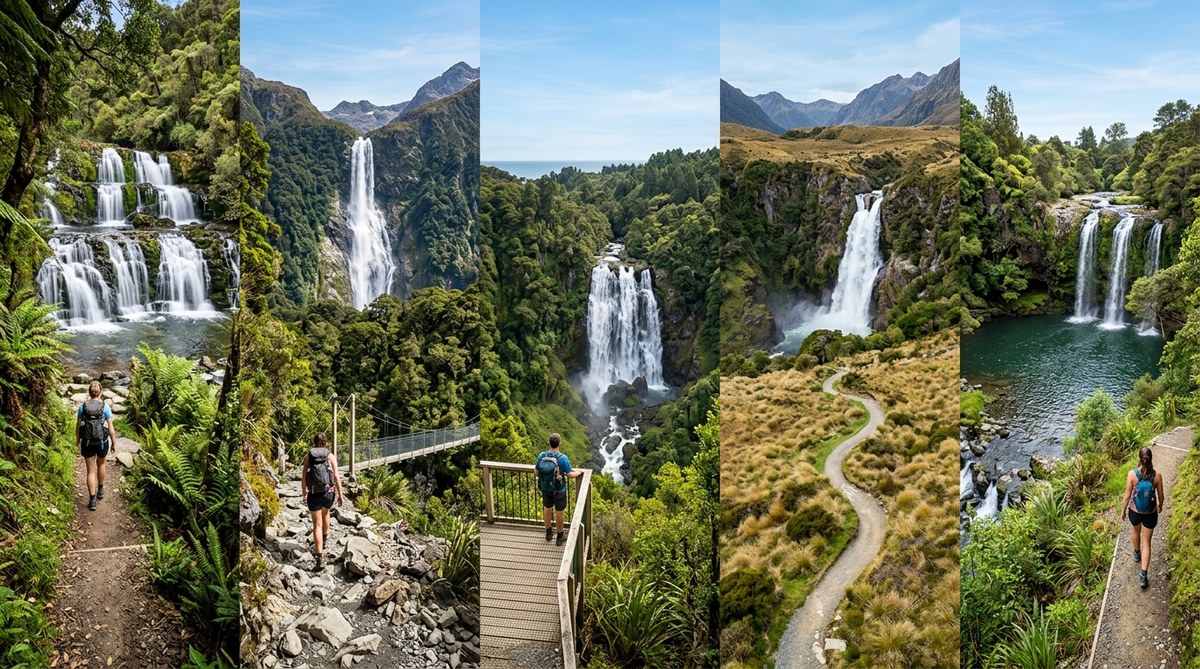
The spray hits your face before you even see the drop. That cool rush of air. The low rumble that grows louder with every step. There is nothing quite like rounding a bend on a forest trail and watching a curtain of water crash into a pool below. Waterfall hikes combine two of the best things about the outdoors: the challenge of a good climb and the reward of a stunning natural feature. In 2026, trail conditions are improving, permits are easier to get, and some hidden gems are finally getting the attention they deserve. Whether you are a seasoned hiker looking for your next fix or a travel enthusiast mapping out this year’s adventures, these five waterfall hikes belong on your list.
The best waterfall hikes in 2026 balance trail difficulty, seasonal water flow, and scenery. From the Pacific Northwest to the Appalachian Mountains, each trail on this list offers something unique. Plan your trip between late spring and early summer for peak water volume, pack proper footwear and layers, and always check local trail alerts before heading out.
Why 2026 Is a Great Year for Waterfall Hiking
Trail maintenance crews have been busy. Several popular routes that were damaged by storms in previous years have reopened with improved signage and safer crossings. At the same time, land managers are rolling out better reservation systems, which means fewer crowds and a more peaceful experience. If you have been putting off that waterfall bucket list, this is the year to lace up your boots and go.
Waterfall hikes are also becoming more accessible to a wider range of fitness levels. Many trails now offer clearly marked rest points, shaded sections, and even boardwalk segments that reduce erosion. That does not mean the adventure is gone. It just means you can focus on the scenery instead of watching your every step.
What Makes a Great Waterfall Hike?
Not all waterfall trails are created equal. Some lead to a trickle that dries up by June. Others require a full day of scrambling over boulders. The best waterfall hikes share a few key traits:
- Reliable water flow even in drier months
- Well maintained trails with clear markers
- Safe viewing areas near the base or overlook
- Moderate challenge that rewards effort without exhausting beginners
- Seasonal variety so the hike feels different each time you visit
We used these criteria to narrow down the list. Each hike below delivers on at least four of the five points, and most hit all of them.
The Top 5 Waterfall Hikes to Experience in 2026
Here are the five trails we recommend for your 2026 adventure calendar. They are spread across the country, so no matter where you live or plan to travel, there is a hike here for you.
1. Silver Falls State Park Trail of Ten Falls (Oregon)
This is the king of waterfall hikes in the Pacific Northwest. The Trail of Ten Falls loops through old growth forest and passes ten distinct waterfalls, four of which you can walk behind. The full loop is about eight miles with moderate elevation gain. You will want to set aside a full morning or afternoon.
The best time to go is May or June, when snowmelt from the Cascade Range feeds the falls at full power. In 2026, the park has added new interpretive signs that explain the geology and history of the area. It is a family friendly trail, but the distance means you should bring snacks and extra water.
2. Ravens Cliff Falls Trail (Georgia)
Tucked inside the Chattahoochee National Forest, Ravens Cliff Falls offers a shorter but steep payoff. The hike is about two miles round trip, but the elevation drop is significant, which means the climb back out will get your heart pumping. The waterfall drops over 80 feet into a cold, clear pool.
Spring 2026 is expected to be especially lush thanks to above average rainfall in late 2025. The rhododendrons along the trail will be blooming, and the creek crossings should be full. This is a great option for hikers who want a solid workout without committing to a half day trek.
3. Lower Yellowstone Falls via South Rim Trail (Wyoming)
Yellowstone National Park needs no introduction, but the South Rim Trail to Lower Yellowstone Falls is often overlooked by visitors who stick to the boardwalks near the main overlook. This trail gives you a full profile view of the 308 foot drop as it thunders into the Grand Canyon of the Yellowstone.
In 2026, the park is testing a new timed entry system for the South Rim area. Book your slot early, especially if you plan to visit between June and August. The trail is about three miles out and back with some stairs. It is not technical, but the altitude can tire you out if you are not used to it.
4. Cascade Falls Trail (Virginia)
Located in the Jefferson National Forest near Pembroke, Cascade Falls is a 234 foot stunner that feels a world away from civilization. The trail is four miles round trip with a gentle grade. It follows Little Stony Creek the whole way, so you hear rushing water for most of the hike.
The local trail crew completed a major reroute project in late 2025, and the new path is smoother and more scenic. The biggest change: no more slippery rock sections near the falls overlook. A new viewing platform was installed in early 2026, making it safer for photographers and families alike.
5. McWay Falls Trail (California)
McWay Falls drops 80 feet directly onto a sandy beach in Julia Pfeiffer Burns State Park along the Big Sur coast. It is one of the most photographed waterfalls in California, and for good reason. The trail is a short, paved half mile walk that is accessible to nearly everyone.
The catch: you cannot walk on the beach below the falls due to erosion and safety concerns. But the overlook provides a perfect view, especially in late afternoon when the sun lights up the spray. In 2026, the park is extending its seasonal parking reservation system to reduce overcrowding. Plan your visit on a weekday if you can.
When to Visit for the Best Water Flow
Timing matters a lot for waterfall hikes. Visit too early and the trail might be muddy or closed. Visit too late and the falls could be reduced to a dribble. The table below shows the ideal months for each trail on this list.
| Trail | Best Months | Water Flow Peak | Crowd Level |
|---|---|---|---|
| Trail of Ten Falls (OR) | May to July | June | Moderate |
| Ravens Cliff Falls (GA) | March to May | April | Low |
| Lower Yellowstone Falls (WY) | June to August | July | High |
| Cascade Falls (VA) | April to June | May | Low |
| McWay Falls (CA) | December to May | March | High |
Spring and early summer are your safest bets across all regions. If you can only pick one season, aim for late May. The weather is warm, the trails are dry, and the waterfalls are at their most powerful.
How to Prepare for a Waterfall Hike
A waterfall hike is not the same as a walk in the park. Moisture changes everything. Rocks are slippery. Trails near water stay damp longer. Temperatures can drop near the falls. Here is a simple three step preparation plan.
- Check trail conditions online before you leave. Look for recent trip reports, weather alerts, and permit requirements. Many parks update their social media pages daily during peak season.
- Pack a waterproof layer and extra socks. Even if the forecast says sunshine, the mist from the falls can soak you through. A light rain jacket fits in any daypack and makes the experience much more comfortable.
- Bring traction devices for your boots. Wet wooden stairs and mossy rocks are treacherous. Microspikes or similar traction aids can prevent a twisted ankle or a fall into the water.
“The biggest mistake I see hikers make near waterfalls is underestimating the slippery conditions. Stand back from the edge, watch your footing, and never turn your back on the water. A waterfall is powerful even when it looks calm.” – Sarah K., backcountry ranger with 12 seasons of trail patrol experience
Mistakes to Avoid on Waterfall Trails
Even experienced hikers make errors when they get excited about a big waterfall. Here is a list of common pitfalls and how to avoid them.
- Getting too close to the edge for a selfie. The rocks near the top of a waterfall are often undercut and unstable. Stay behind any railings or barriers.
- Wearing cotton clothing. Cotton absorbs water and stays wet. When the temperature drops near the falls, wet cotton can lead to hypothermia even in mild weather.
- Forgetting to check for falling rocks. Water erodes the rock above a waterfall over time. Loose stones can fall without warning. Keep your eyes up and do not linger directly under overhangs.
- Ignoring permit or parking rules. In 2026, more parks are using reservation systems. Showing up without a permit means you might be turned away after driving hours to get there.
Gear That Makes Waterfall Hikes Better
The right gear can turn a cold, wet slog into a comfortable adventure. If you are building your hiking kit for this year, focus on items that handle moisture well.
A good pair of waterproof hiking boots is worth every penny. Look for a sole with deep lugs that grip wet rock. Pair them with merino wool socks, which stay warm even when damp. A dry bag inside your pack keeps your phone, camera, and extra layers safe from spray. And a lightweight towel stashed in the car is a lifesaver for the drive home.
For more detailed advice on building your outdoor kit, check out our guide on essential outdoor gear every hiker should pack for long trails. It covers everything from hydration systems to emergency supplies.
How to Find Your Own Waterfall Hikes
The five trails above are a great starting point, but the United States has hundreds of waterfall hikes worth exploring. If you want to find your own hidden gems, use these strategies.
- Search for “falls” on local hiking forums. Many of the best waterfall trails are not listed in guidebooks. Local hikers share GPS coordinates and condition reports on Reddit, Facebook groups, and dedicated hiking websites.
- Look at state park websites. State parks often maintain waterfall trails with less publicity than national parks. They can be just as beautiful with a fraction of the visitors.
- Use trail mapping apps with waterfall filters. Apps like AllTrails and Gaia GPS let you search specifically for waterfalls. Read recent reviews to confirm the water is flowing before you go.
If you are newer to hiking and want a route that matches your fitness level, our best hiking trails for beginners start your outdoor adventure today page can help you find the right trail to build your confidence.
Plan Your Waterfall Adventure Around These Events
2026 has some unique calendar opportunities that can make your waterfall hike even more memorable.
- Super bloom season in California (March to April) means wildflowers will frame McWay Falls with orange and yellow poppies.
- Full moon hikes at Silver Falls State Park are scheduled for July and August. The park stays open late on those dates, and the moonlight through the trees is magical.
- Fall foliage peak in Virginia (mid October) transforms Cascade Falls Trail into a corridor of red, orange, and gold. The water flow is lower by then, but the colors make up for it.
When you are ready to book your travel, take a look at our top adventure travel destinations for thrill seekers in 2026 for more trip ideas that pair well with these waterfall hikes.
Your Next Steps for the Best Waterfall Hikes of 2026
The trails are open, the water is flowing, and the adventure is waiting. Pick one hike from this list and make it happen this year. Start with a trail that matches your experience level and build from there. Waterfall hiking is one of the most rewarding ways to connect with nature, and 2026 is shaping up to be an incredible season for it.
Load your pack, check the forecast, and go chase that spray. You will be glad you did.

Leave a Reply