
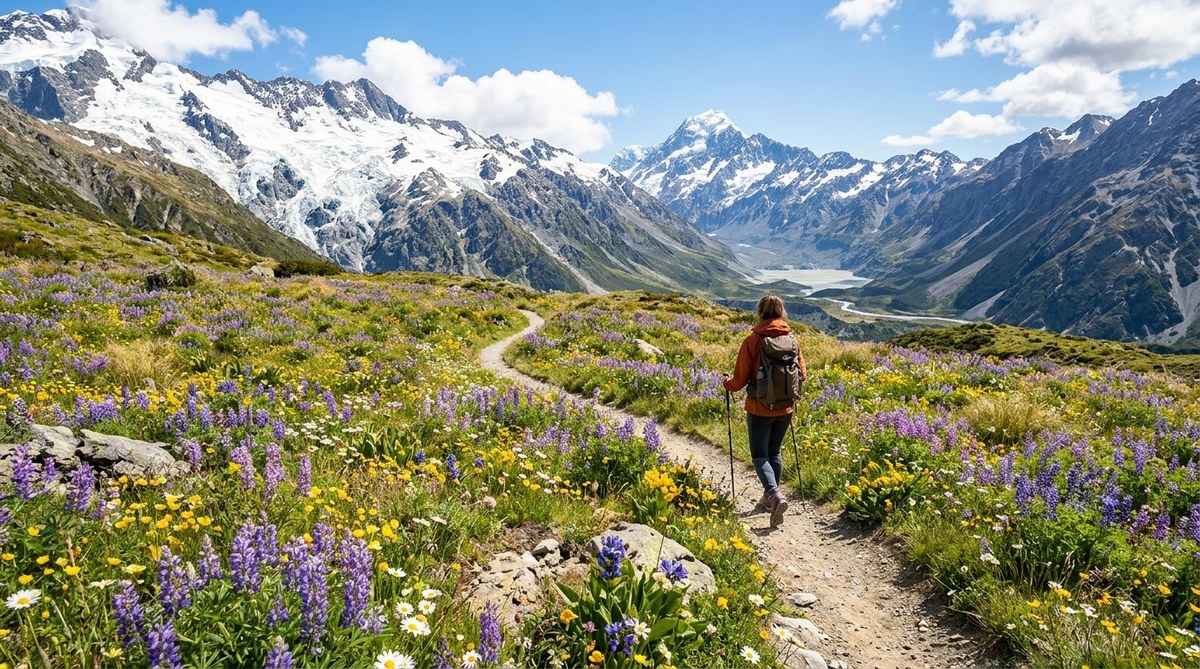
Summer in the mountains brings a spectacle that no photograph can fully capture. When the snow melts and the soil warms, alpine meadows explode into carpets of color. For anyone who loves hiking or nature photography, these brief windows of bloom are worth planning a trip around. The trick is knowing where to go and when to be there. We have gathered seven trails where the wildflowers put on a performance you will not forget in 2026.
Alpine meadow wildflower hikes in 2026 rely on careful timing. Peak bloom varies by elevation and latitude, but most trails hit their stride between mid-July and early August. The seven hikes below offer reliable displays of lupine, paintbrush, daisies, and more. Pack layers, arrive early, and stay on the trail to protect fragile ecosystems.
Why Alpine Meadows Are Worth the Climb
Alpine meadows exist in a narrow band just above the treeline. The growing season is short, sometimes only six to eight weeks. That pressure creates a concentrated burst of life. Plants grow low to the ground to survive wind and cold. Flowers bloom in dense clusters, often in colors so vivid they seem unreal.
For hikers, this means a payoff that feels earned. The trail up is usually steep, but the reward at the top is a living painting. For photographers, the soft morning light hitting a field of wildflowers with a mountain backdrop is the holy grail.
How to Plan Your Alpine Wildflower Hike in 2026
Timing is everything. Miss the window by a week and you might see only green leaves. Hit it right and you will walk through knee-high color. Here is a simple process to plan your trip.
- Research the elevation profile of your chosen trail. Lower elevation meadows bloom earlier. Higher meadows peak later. A trail that starts at 8,000 feet may be green while one at 10,000 feet is in full flower.
- Check snowpack reports for the region. A heavy snow year pushes bloom later. A light year means an earlier start. For 2026, keep an eye on the Natural Resources Conservation Service snow survey data for your target state.
- Aim for mid-July to early August as your general window. This is the sweet spot for most alpine meadows in the Rockies, Sierra Nevada, and Cascades.
- Join local hiking Facebook groups or subreddits. People post real-time conditions. You will get reports of what is blooming and where.
- Book permits early if required. Some popular trails in national parks and wilderness areas have daily limits. Permits for 2026 summer trips often open in early spring.
What to Pack for a Day on the Wildflower Trail
The gear list for an alpine meadow hike is not complicated, but a few items make a big difference.
- Sun protection. At high altitude, UV rays are stronger. Wear a wide-brimmed hat and SPF 50.
- Layers. Mornings can be cold, afternoons warm. A fleece or light puffy jacket is worth carrying.
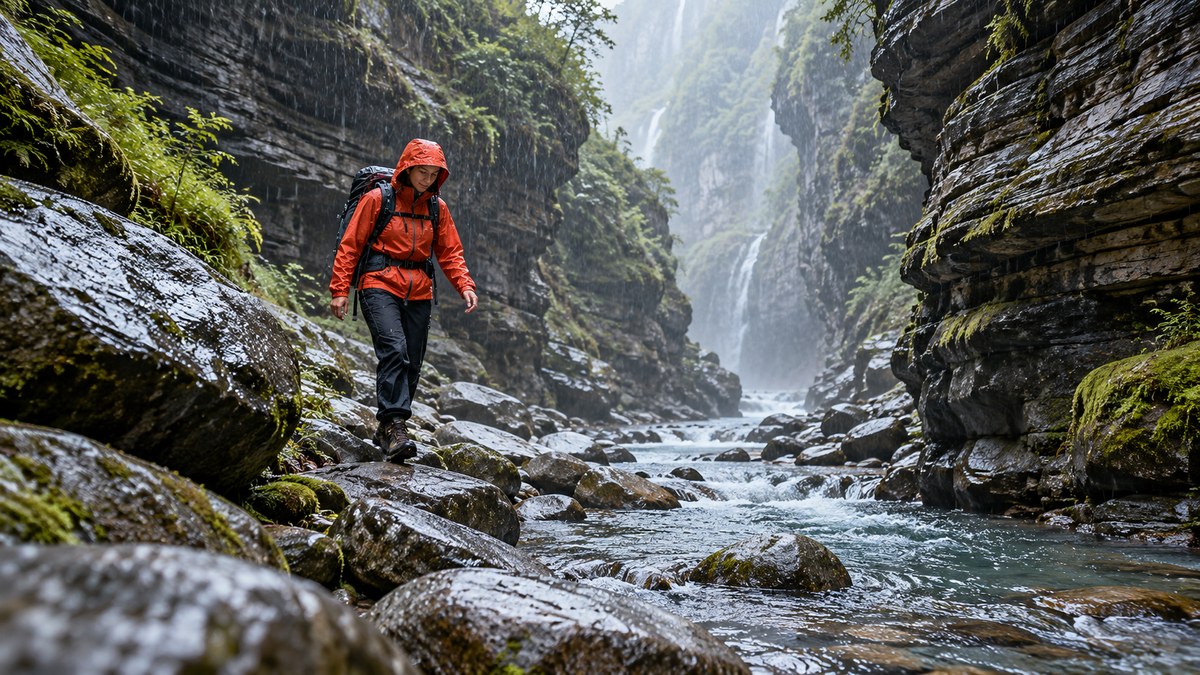
- Rain shell. Afternoon thunderstorms are common in the mountains. A lightweight waterproof jacket keeps you dry.
- Trekking poles. They help with steep climbs and save your knees on the descent.
- Camera or smartphone with a macro lens. Wildflowers look amazing in close-up shots.
- Plenty of water. Alpine trails often lack reliable water sources. Carry at least one liter per two hours of hiking.
Seven Alpine Meadow Wildflower Hikes for 2026
These trails are spread across the western United States. Each one offers a distinct wildflower experience. Some are well known. Others are quieter. All of them will deliver color.
1. Skyline Trail, Mount Rainier National Park, Washington
This is the classic Pacific Northwest alpine meadow hike. The trail runs through Paradise, an area famous for its summer flower displays. Lupine, paintbrush, and avalanche lilies cover the slopes. The views of the glacier-capped volcano are constant. Peak bloom here usually falls between mid-July and early August. The full trail is 5.9 miles out and back with about 1,500 feet of elevation gain.
2. Crested Butte to Schofield Pass, Colorado
Crested Butte calls itself the wildflower capital of Colorado for good reason. The hike over Schofield Pass connects high meadows that are thick with columbine, penstemon, and sunflowers. The route is part of the West Elk Loop and offers views of the Maroon Bells. Peak season is typically the last two weeks of July. This area is also great for mountain biking if you want to cover more ground.
3. Lake Ediza Trail, John Muir Wilderness, California
This trail starts near Devils Postpile National Monument and climbs to a stunning alpine lake. The meadows along the way are filled with shooting stars, monkey flowers, and western bistort. The granite backdrop of the Sierra Nevada makes every photo look like a postcard. The hike is about 7 miles round trip with moderate elevation gain. August is the best month here because the snow melts later at this elevation.
4. Beartooth Highway Trails, Montana/Wyoming
The Beartooth Highway is not a single trail but a corridor of alpine tundra that holds some of the best wildflower displays in the lower 48. Pull off at any of the marked trailheads along the highway. The Island Lake Trail and Beartooth Loop are two excellent options. You will find arctic gentian, alpine forget-me-nots, and sky pilot. The entire area sits above 10,000 feet, so the blooms happen in late July and early August.
5. Flower Ridge Trail, Strathcona Provincial Park, British Columbia
This trail is a bit of a trek from the U.S. border, but it is worth the drive for serious wildflower enthusiasts. The ridge offers panoramic views of the surrounding mountains and a carpet of wildflowers that seems to go on forever. Look for red heather, white mountain heather, and yellow arnica. The best time is mid-July. The trail is about 8 miles round trip with steady climbing.
6. Ptarmigan Traverse, Indian Peaks Wilderness, Colorado
The Indian Peaks Wilderness near Boulder is a lesser-known gem. The Ptarmigan Traverse connects several high passes and offers meadows thick with wildflowers. The area is less crowded than Rocky Mountain National Park but just as beautiful. Expect to see blue columbine, Indian paintbrush, and elephant heads. Peak bloom is late July. This is a longer day hike at around 10 miles, so start early.
7. Table Mountain, Northern California
Table Mountain is a flat-topped volcanic plateau near Oroville. In spring and early summer, the top of the mountain becomes a wildflower paradise. You will find fields of goldfields, owl clover, and blue dicks. The trail is easy, only about 3 miles round trip, making it a great option for beginners or families. Peak bloom here is earlier, usually April to May, so it is a good choice for a spring trip.
Common Mistakes to Avoid on Wildflower Hikes
Even experienced hikers make mistakes when chasing blooms. Here is a table of common errors and how to avoid them.
| Mistake | Why It Hurts | How to Fix It |
|---|---|---|
| Going too early or too late | Miss the peak entirely | Check snowpack and recent trip reports |
| Walking off the trail | Tramples fragile plants, damages the meadow | Stay on designated paths at all times |
| Not checking weather | Afternoon storms can be dangerous | Start hikes before 8 AM, be off ridges by noon |
| Forgetting sun protection | Sunburn at altitude is painful and dangerous | Wear SPF 50 and a hat, reapply often |
| Overpacking or underpacking | Too much weight slows you down; too little gear leaves you unprepared | Use a 20-30 liter daypack with essentials only |
Advice from a Trail Guide
“The biggest mistake I see people make on wildflower hikes is rushing. They want to cover miles and forget to look down. The best displays are often right at your feet. Stop. Look at the small details. That is where the magic is.” — Sarah K., backcountry guide for 12 years
How to Photograph Alpine Wildflowers
If you are bringing a camera, a few techniques will help you get shots that do justice to the scene.
- Use a wide aperture (f/2.8 to f/4) to blur the background and make the flowers pop.
- Shoot in the golden hour, the hour after sunrise and the hour before sunset. The light is softer and warmer.
- Include a person in the frame to show scale. A hiker standing in a field of flowers gives the viewer a sense of the size.
- Get low. Crouch down to the level of the flowers for a more intimate perspective.
- Use a polarizing filter to reduce glare from wet leaves and deepen the blue of the sky.
Where to Stay for Your 2026 Wildflower Trip
Accommodation near these trails varies. For Mount Rainier, book a room at the Paradise Inn or camp at one of the park’s campgrounds. For Crested Butte, the town has lodges, cabins, and RV parks. The Sierra Nevada offers many forest service campgrounds near trailheads. For Beartooth, consider staying in Cooke City or Red Lodge. Plan ahead because summer 2026 is expected to be busy.
If you are looking for more ideas on where to point your boots, check out our list of the best hiking trails for wildflower blooms in 2026. It covers additional routes across different regions and difficulty levels.
Safety Considerations for High Altitude Hikes
Alpine hiking comes with specific risks. Here are the main ones to watch for.
- Altitude sickness. Symptoms include headache, nausea, and shortness of breath. If you feel bad, descend. Do not push through it.
- Lightning. Afternoon thunderstorms are common. If you hear thunder, get off the ridge and below treeline immediately.
- Hypothermia. Even in summer, temperatures can drop suddenly. Wet clothes plus wind equals danger. Carry a warm layer and a rain shell.
- Dehydration. High altitude and dry air increase fluid loss. Drink more than you think you need.
For a deeper look at staying safe on the trail, read our guide on what to do when you encounter wildlife on the trail: a practical guide. It covers bears, mountain lions, and other animals you might meet in alpine areas.
A Note on Trail Etiquette
Alpine meadows are fragile. The plants grow slowly and recover slowly from damage. Walking off the trail can kill flowers that took years to establish. Always stay on the path, even if it means walking through a muddy spot. Pack out all trash, including apple cores and orange peels. Leave the flowers for the next hiker to enjoy. Picking wildflowers is illegal in most national parks and wilderness areas.
Your 2026 Wildflower Season Starts Now
The best time to start planning for summer 2026 is early spring. That is when permits open, campsites fill, and flight prices are lowest. Pick one trail from the list above. Research the exact timing for that location. Mark your calendar for the estimated peak bloom window. Then start training. A few long walks with a loaded pack will make the hike more enjoyable.
Alpine meadow wildflower hikes are not just about the destination. They are about the journey through some of the most beautiful landscapes on earth. The flowers are the reward, but the whole experience, the climb, the views, the fresh air, stays with you long after the blooms fade.
For more hiking inspiration, see our top 10 must-visit hiking trails in the U.S. for 2026. It includes several more alpine routes that pair well with a wildflower trip.


Leave a Reply