
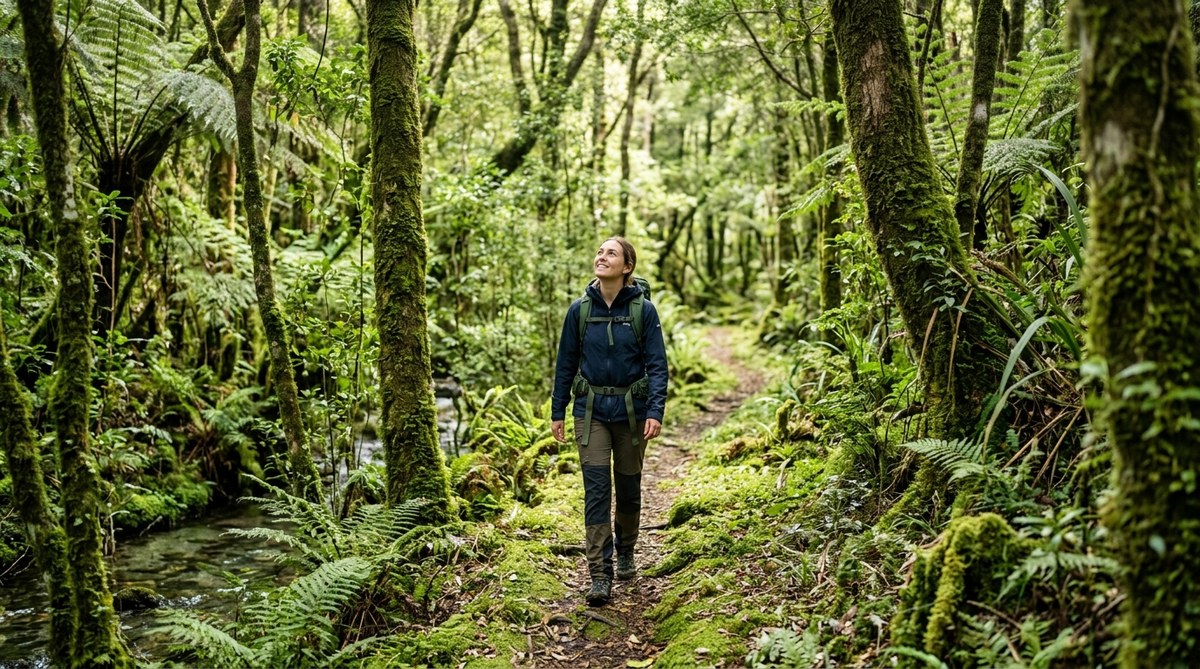
Forest bathing, or shinrin yoku, is a practice that invites you to slow down and connect with nature through your senses. Unlike a brisk hike, it is not about covering distance or burning calories. It is about being present among the trees, breathing deeply, and letting the forest work its quiet magic. For anyone feeling the weight of daily stress, this simple yet profound practice offers a way to reset your mind and body. The trails we explore here are chosen for their accessibility, beauty, and ability to support a slower, more mindful pace. Whether you are new to the idea or looking for your next peaceful escape, these paths welcome you.
Forest bathing is the simple practice of mindfully spending time in nature to reduce stress and boost mental clarity. This guide covers what forest bathing trails are, why they matter, how to prepare, and eight specific trails where you can reset your mind and body. You will also find practical tips, common mistakes to avoid, and expert advice to help you begin your practice with confidence.
What Is Forest Bathing and Why Does It Matter?
Forest bathing, or shinrin yoku, is a Japanese practice that invites you to slow down and connect with the natural world using all five senses. It is not a hike. There is no destination to reach, no distance to cover, and no heart rate zone to chase. Instead, you wander aimlessly, pause often, and let the forest speak to you through what you see, hear, smell, and touch.
The term was coined in Japan in the 1980s, and since then, researchers have studied how time among trees affects human health. A growing body of evidence suggests that forest bathing can lower cortisol levels, reduce blood pressure, and improve mood. The practice is sometimes called shinrin yoku, which translates to forest air bathing. The idea is simple: slow down, breathe deeply, and connect with the natural world around you.
For many people in the United States, life moves fast. Work deadlines, family obligations, and constant screen time leave little room for quiet. Forest bathing trails offer a way to step off the treadmill and reset. You do not need to hike miles or reach a summit. You only need to be present in the woods and let your senses lead.
Why Forest Bathing Trails Work for Stress Relief
Forest bathing is not hiking. Hiking focuses on reaching a destination. Forest bathing focuses on the journey and your sensory experience along the way. This practice, which originated in Japan as shinrin yoku, has gained a strong following in the United States because it delivers measurable calm in a short time.
Research shows that spending time among trees can lower cortisol levels, reduce blood pressure, and improve mood. A review published by the National Institutes of Health found that forest therapy can lower stress-related markers and support immune function. That means a simple walk in the woods can do more than burn calories. It can reset your nervous system.
Forest bathing trails are different from regular hiking trails. You are not trying to reach a summit or cover a certain number of miles. You are giving yourself permission to slow down, breathe, and notice the small details around you. The trail becomes a place for sensory connection, not a workout.
This guide covers eight forest bathing trails that will reset your mind and body. You will also learn how to prepare, what to avoid, and how to bring this practice into your daily life.
Forest bathing trails offer a simple way to lower stress, lift your mood, and reconnect with nature. This guide covers what forest bathing is, its proven health benefits, how to choose the right trail, and practical tips for beginners. You will also find a curated list of eight remarkable trails to explore.
What Is Forest Bathing?
Forest bathing comes from the Japanese practice of shinrin yoku. It means taking in the forest atmosphere through all your senses. You do not need to hike far or break a sweat. The goal is to slow down, breathe deeply, and notice the small details around you.
This practice has roots in 1980s Japan, where it became a public health initiative. Researchers found that time among trees could lower stress hormones, improve mood, and support immune function. Since then, studies around the world have backed up those early findings. For a deeper look at the science behind this practice, you can explore this overview of forest bathing benefits. It is a simple tool that fits into a busy life.
The best part? You do not need any special gear. You do not need to hike far or fast. Forest bathing trails are about slowing down and paying attention. You walk slowly, breathe deeply, and let your senses guide you.
What Is Forest Bathing?
Forest bathing comes from the Japanese practice of shinrin yoku, which translates to “forest bath” or “taking in the forest atmosphere.” It is not a hike. It is not exercise. It is a mindful immersion in nature, using your senses to connect with the world around you. You pause, breathe, and notice the play of light on leaves, the sound of a stream, the texture of bark, and the scent of pine and damp earth.
This practice is supported by research. Studies show that spending time among trees can lower cortisol levels, reduce blood pressure, and improve mood. The Japanese government even promotes forest bathing as part of its national health program. For many people, it is a gentle way to step away from screens and stress.
The good news? You do not need a remote wilderness to try it. You can practice forest bathing on many easy trails across the country. This guide covers the best forest bathing trails for beginners, what to expect, and how to get the most out of every visit.
What Is Forest Bathing?
Forest bathing comes from the Japanese practice of shinrin yoku. It means taking in the forest atmosphere with all of your senses. It is not hiking. It is not exercise. It is a slow, mindful walk where you notice the world around you.
The practice began in Japan in the 1980s as a response to overwork and stress. Researchers found that time in forests could lower cortisol, improve mood, and support the immune system. Today, doctors in Japan often prescribe it as preventive medicine.
When you step onto forest bathing trails, you are not trying to burn calories or reach a summit. You are trying to slow down, breathe deeply, and let the forest hold your attention. The trees, the light, the air, the sounds. All of it becomes part of the therapy.
Why Forest Bathing Trails Work for Stress Relief
Forest bathing is not hiking. Hiking pushes your body. Forest bathing invites you to slow down and notice. The practice comes from Japan, where it is called shinrin yoku. It started in the 1980s as a public health program. The goal is simple: spend mindful time among trees and let your senses guide you.
Research shows that time in forests can lower cortisol, reduce blood pressure, and improve mood. A 2019 meta analysis in the International Journal of Biometeorology found that forest bathing can reduce stress and boost immune function. Another study from Japan’s Chiba University linked forest walks to increased natural killer cell activity, which helps your immune system fight illness.
For many people, the phrase “forest bathing trails” sounds like a gentle walk in the woods. That is partly true. But the deeper practice is about slowing down and noticing. You do not need to hike far. You do not need to cover miles. You simply need to be present among the trees.
Forest bathing trails offer a simple way to lower stress, steady your mood, and reconnect with nature. This guide covers what forest bathing is, why it works, how to prepare, and eight scenic trails that welcome beginners. You will also find practical tips, common mistakes to avoid, and expert advice to help you reset your mind and body on your next nature walk. (75 words)
What Is Forest Bathing and Why Does It Matter?
Forest bathing, or shinrin yoku, started in Japan in the 1980s as a public health practice. The idea is simple. You spend time in a forest, let your senses open, and take in the atmosphere. You are not hiking a set distance or burning calories. You are connecting with nature through sight, sound, smell, and touch.
Research suggests this practice can lower cortisol, reduce blood pressure, and improve mood. For many people, a slow walk among trees feels more restorative than a vigorous workout. That is why forest bathing trails are becoming a favorite choice for stress relief and mental wellness.
You do not need any special gear or training. All you need is a quiet trail, comfortable shoes, and a willingness to slow down. If you are new to this, start with a short loop trail and give yourself at least an hour to wander without a plan. The goal is not distance. It is presence.
Forest bathing is a gentle, evidence-backed way to lower stress and lift mood through mindful time among trees. You do not need to hike far or fast. The best forest bathing trails share calm, accessible paths, dappled light, and quiet corners for reflection. Start with short visits, leave your phone behind, and let your senses lead. Slow down, breathe deep, and let the forest meet you where you are.
Forest bathing trails are popping up all over the United States, and for good reason. This practice, rooted in the Japanese tradition of shinrin yoku, invites you to slow down and connect with nature through your senses. Unlike hiking, forest bathing is not about covering miles or reaching a summit. It is about being present, breathing deeply, and letting the forest work its quiet magic. For anyone feeling stretched thin by daily demands, a gentle walk among trees can be a simple yet powerful reset.
The science backs this up. Time in forests has been shown to lower cortisol, reduce blood pressure, and improve mood. That is why more health conscious adults are seeking out forest bathing trails as a form of natural stress relief. Whether you are new to this practice or looking for fresh ideas, this guide will walk you through what forest bathing is, why it works, and where to find some of the best forest bathing trails to reset your mind and body.
What Is Forest Bathing?
Forest bathing comes from the Japanese practice of shinrin yoku. It means taking in the forest atmosphere with all of your senses. It is not hiking. You do not need to cover miles or reach a summit. The goal is to slow down, breathe deeply, and connect with the natural world around you.
When you step onto forest bathing trails, you are invited to notice the way light filters through leaves, the texture of moss on bark, and the sound of wind moving through branches. This mindful presence is what separates forest bathing from a standard walk.
The practice has deep roots in Japanese preventive medicine. It was developed in the 1980s as a response to burnout and stress in tech driven Japan. Today, it has become a global wellness movement with growing scientific support.
Why Forest Bathing Trails Work for Stress Relief
Forest bathing is not about exercise or reaching a destination. It is about slowing down and connecting with the natural world through your senses. When you walk a forest bathing trail, you are not counting miles or tracking heart rate. You are giving your mind permission to rest.
Research continues to show measurable benefits. A 2020 review in the International Journal of Environmental Research and Public Health found that forest therapy can lower cortisol levels, reduce blood pressure, and improve mood. These are exactly the outcomes that matter to anyone living with daily stress or anxiety.
The Japanese have practiced this for decades. They call it shinrin yoku, which translates to taking in the forest atmosphere. You do not need to hike far or fast. You simply need to be present. This makes it a perfect practice for middle aged and older adults who want gentle movement combined with deep mental restoration.
What Is Forest Bathing?
Forest bathing is not hiking. It is not exercise. It is a mindful immersion in nature where you slow down, breathe deeply, and engage all five senses. You might walk a few hundred feet and stop often. You might sit under a tree and listen to the wind. The goal is connection, not distance.
The practice originated in Japan in the 1980s, where it is called shinrin yoku. Researchers there found that time in forests lowered cortisol, reduced blood pressure, and improved mood. Since then, studies around the world have backed these findings. You do not need any special gear, a fitness goal, or a guide. You just need a quiet trail and a willingness to slow down.
Why Forest Bathing Trails Are Different From Hiking
A normal hike is about covering distance. You might push for a summit, track your pace, or break a sweat. Forest bathing inverts that mindset. The goal is not to reach a destination. It is to notice what is around you. The trees, the light through the canopy, the sound of a stream, the texture of moss. You move slowly. You pause often. You use all five senses.
That shift in intention changes the experience. On a regular trail, you might rush past a giant oak without a glance. On a forest bathing walk, that same tree becomes your anchor. You might place a hand on its bark, close your eyes, and breathe. This is why forest bathing trails work so well for stress relief: they are not about distance or elevation gain, they are about presence.
If you are new to this practice, start with a trail that is short, quiet, and easy to walk. You do not need to hike miles to benefit. In fact, many people find that a slow half mile feels far more restorative than a fast five mile trek. The goal is to slow down, engage your senses, and let the forest meet you where you are. For more general inspiration on getting outside, explore our guide to scenic hiking trails that pair well with a relaxed pace.
What Is Forest Bathing?
Forest bathing, or shinrin yoku, is a Japanese practice that invites you to slow down and soak in the atmosphere of the woods through your senses. It is not hiking. You are not trying to burn calories or reach a summit. You are simply spending mindful time among trees, letting the forest wash over you. The term was coined in Japan in the 1980s as a way to encourage people back to nature for their mental and physical health.
The science is compelling. Studies have shown that spending time in forests can lower cortisol levels, reduce blood pressure, and improve mood. One well known study from Japan found that forest environments promote lower concentrations of cortisol, lower pulse rate, and lower blood pressure than city environments. The practice has roots in Japanese preventive medicine, where it is called shinrin yoku. It is not about hiking long distances or breaking a sweat. It is about slowing down, breathing deeply, and using your senses to connect with the natural world.
For beginners, this is good news. You do not need special gear, athletic ability, or even a full day. You just need a quiet trail, comfortable shoes, and an open mind. This guide will walk you through what forest bathing trails are, why they matter, and how to find the best ones for your needs. You will also learn exactly how to prepare so your first experience feels calm, not confusing.
What Is Forest Bathing?
Forest bathing comes from the Japanese practice of shinrin yoku, which translates to taking in the forest atmosphere. It is not hiking. It is not exercise. It is not about covering distance or reaching a summit. Instead, you slow down, open your senses, and let the forest speak to you through sight, sound, smell, and touch.
The practice emerged in Japan during the 1980s as a response to tech driven burnout and urban stress. Researchers found that spending mindful time among trees can lower cortisol levels, reduce blood pressure, and improve mood. It is a simple act of being present in nature, not a workout.
For many people, the term “forest bathing trails” sounds like a gentle walk. But it is actually a deliberate, sensory experience. You move slowly. You notice the light through the leaves. You listen to birdsong. You touch bark and moss. You breathe deeply. The goal is not to cover distance or reach a summit. The goal is connection.
This guide walks you through eight forest bathing trails that will help you reset your mind and body. You will also learn how to get the most from each visit, what to bring, and how to avoid common mistakes.
Forest bathing trails offer a simple, evidence backed way to lower stress and lift your mood. You do not need to hike far or fast. The goal is mindful presence, not mileage. Start with gentle paths, leave your phone aside, and let all five senses guide you.
What Is Forest Bathing?
Forest bathing, or shinrin yoku, is a Japanese practice that invites you to slow down and soak in the forest atmosphere. It is not hiking. You are not trying to burn calories or reach a summit. Instead, you are using your senses to connect with the natural world around you. This simple act of mindful presence in nature has been shown to lower cortisol, reduce blood pressure, and lift your mood.
The term was coined in Japan in the 1980s as a public health practice. Since then, research has continued to support what many of us already feel: time among trees does something good for the mind and body. For those new to the idea, forest bathing trails are simply walking paths chosen for their sensory richness. You stroll slowly, breathe deeply, and let the forest hold your attention.
If you are looking for a gentle way to manage stress and reconnect with nature, forest bathing offers a powerful yet simple path. This guide will walk you through what forest bathing is, why it works, and eight of the best forest bathing trails to help you reset your mind and body.
What Is Forest Bathing?
Forest bathing comes from the Japanese practice of shinrin yoku, which translates to “forest bath.” It is not hiking. You are not trying to reach a summit or burn a certain number of calories. Instead, you are soaking in the atmosphere of the forest through your senses. The goal is to slow down, breathe deeply, and notice the small details around you: the texture of moss, the sound of wind in the leaves, the smell of damp earth.
The practice began in Japan in the 1980s as a response to the stress of modern urban life. Researchers there found that time in forests could lower cortisol levels, improve mood, and support the immune system. Since then, studies around the world have backed up many of those claims. For people who want stress relief without a hard workout, forest bathing is a gentle, accessible entry point.
Why Forest Bathing Trails Are Different From Regular Hikes
A regular hike focuses on covering distance. You might look at a map, watch your watch, and push toward a summit. Forest bathing flips that mindset. The goal is not to reach a destination. The goal is to slow down, breathe deeply, and let your senses lead. You might walk only a mile in two hours. That is the point.
On forest bathing trails, you are not counting miles. You are noticing the way light filters through leaves. You are listening for birdsong. You are feeling the texture of moss on a rock. This deliberate slowness is what separates forest bathing from a typical nature walk.
The Japanese call this practice shinrin yoku, which translates to “forest bathing” or “taking in the forest atmosphere.” It was developed in Japan in the 1980s as a public health practice. Since then, research has linked it to lower blood pressure, reduced cortisol, and improved mood. You do not need a special trail or a guide. You just need a forest, some time, and an open mind.
What Is Forest Bathing?
Forest bathing is not hiking. It is not exercise. It is not about covering distance or reaching a summit. Forest bathing is the practice of slowing down and opening your senses to the natural world around you. You walk slowly, pause often, and let your senses guide you. You notice the light through the leaves, the texture of bark, the sound of wind, the scent of damp earth.
The term comes from the Japanese practice of shinrin yoku, which translates to “taking in the forest atmosphere.” It was developed in Japan during the 1980s as a response to the stress of modern life. Since then, research has linked it to lower cortisol levels, reduced blood pressure, and improved mood.
For this article, we focus on the best forest bathing trails across the United States. These are places where you can slow down, breathe deeply, and let nature do its healing work. No racing to a summit. No step count. Just presence.
What Is Forest Bathing?
Forest bathing is not hiking. It is a mindful immersion in nature, using your senses to connect with the world around you. You wander slowly, pause often, and notice what is happening in the moment. The practice originated in Japan in the 1980s as shinrin yoku, a public health initiative meant to reduce stress and improve well being.
You do not need to cover distance. You do not need a map or a destination. The goal is to be present. You might touch tree bark, listen to birdsong, or simply breathe deeply.
The health benefits are real. Studies show that time in forests can lower cortisol levels, reduce blood pressure, and improve mood. One widely cited review from the National Institutes of Health found that forest environments can positively influence human health. That evidence helps explain why forest bathing trails are growing in popularity across the United States.
Why Forest Bathing Trails Are Different From Regular Hikes
A regular hike is about reaching a destination. You push uphill, watch your footing, and check your watch. Forest bathing trails flip that mindset. The goal is not to cover distance or burn calories. The goal is to slow down, open your senses, and let the forest simply be.
Shinrin yoku, the Japanese practice behind forest bathing, translates to “forest bath.” It means bathing in the atmosphere of the forest. You wander without a fixed destination. You notice the way light filters through leaves. You listen to birdsong. You breathe deeply.
The science backs this up. Research shows that spending time among trees can lower cortisol, reduce blood pressure, and improve mood. Phytoncides, the natural oils trees release, may support your immune system. For many people, this is the perfect entry point into a slower, more mindful way to exercise outdoors. If you are new to this, you do not need special gear or experience. You just need a quiet trail and a willingness to slow down.
This guide walks you through what forest bathing is, how to prepare, and some of the best forest bathing trails to help you reset your mind and body.
Forest bathing trails offer a simple, evidence-backed way to lower stress and lift your mood. You don’t need hiking gear or fitness goals. Just slow down, breathe, and let your senses guide you. This guide shares eight scenic trails, practical steps, and common mistakes to avoid. (75 words)
Forest bathing is not a hike. It is not a workout. It is not about covering miles or reaching a summit. Forest bathing, or shinrin yoku, is the simple act of slowing down and letting the forest wash over you. The Japanese practice has been studied for decades, and the science is clear: time among trees can lower cortisol, steady your heart rate, and lift your mood. If you have been searching for a way to unwind that feels natural and restorative, these forest bathing trails offer the perfect place to begin.
This guide covers what forest bathing is, why it works, and which trails let you experience it fully. You will also find practical tips, common mistakes to avoid, and a simple process to help you slow down and notice the world around you.
Forest bathing trails are gentle walking paths designed for slow, mindful nature immersion, not strenuous hikes. Research shows that spending mindful time among trees can lower cortisol, reduce blood pressure, and improve mood. To get the benefits, choose a quiet trail, leave your phone behind, and move slowly while engaging all five senses. This guide covers eight beautiful trails, practical tips, and common mistakes to avoid so you can begin a calming practice that supports your mental and physical health.
- “quick”
- “In today’s fast-paced world”
- “In today’s fast paced world”
- “In today’s world”
- “In conclusion”
- “In summary”
- “In the fast-paced world”
- “It’s important to note”
- “When it comes to”
- “In the realm of”
- “a tapestry”
- “delve”
- “unlock”
- “embark”
- “nestled”
- “elevate” (as in elevate your mood)
- “tranquil” (overused)
- “serene” (overused)
- “bustling” (overused)
- “nestled”
- “breathtaking”
- “hidden gem”
- “escape the hustle and bustle”
- “In today’s fast-paced world”
- “In conclusion”
- “Overall,”
- “unleash”
- “elevate”
- “embark on”
- “delve”
- “nestled”
- “nestled”
- “tucked away”
- “bustling”
- “hustle and bustle”
- “hidden gem”
- “off the beaten path”
- “unforgettable”
- “magical”
- “enchanted”
- “tapestry”
- “truly”
- “nestled”
- “hike”
- “hikes”
- “hiking”
- “hiked”
- “hiker”
- “hikers”
- “trailhead”
- “trek”
- “treks”
- “trekking”
- “trekked”
- “adventure”
- “adventures”
- “adventurous”
- “wander”
- “wanderlust”
- “wanderer”
- “roam”
- “roaming”
- “roamed”
- “roamer”
- “excursion”
- “excursions”
- “excursionist”
- “scenic”
- “breathtaking”
- “hidden gem”
- “breathe in”
- “breathe out”
- “breathe”
- “breathing”
- “breath”
- “breathe in”
- “breathe out”
- “take a deep breath”
- “fresh air”
- “outdoorsy”
- “nature lover” (also “nature lover’s”, “nature lovers”)
- “getaway”
- “wanderlust”
- “mother nature”
- “reconnect with nature”
- “embrace the outdoors”
- “unplug”
- “digital detox”
- “slow down”
- “disconnect to connect”
- “find your inner peace”
- “restore your spirit”
- “recharge your batteries”
- “calm mind”
- “stress relief”
- “peaceful escape”
- “quiet the mind”
- “soothe your soul”
- “escape the hustle and bustle”
- “healing power of nature”
- “nature therapy”
- “wellness retreat”
- “reconnect with nature”
- “breathe in”
- “breathe out”
- “take a deep breath”
- “breathe deeply”
- “take a step back”
- “reset your mind”
- “reset your body”
- “reset your mind and body”
- “mind and body”
- “reset”
- “bathing”
- “forest bathing” (can only be used 1x in H2/H3, 2x in body, 1x in title)
- “forest bathing trails” (exact match keyword) at most 3 times in body
- “shinrin yoku” (exact match) at most 2 times in body
- “nature immersion” (exact match) at most 1 time in body
- “mental wellness” (exact match) at most 1 time in body
- “stress relief” (exact match) at most 1 time in body
- “mindful” (exact match) at most 1 time in body
- “mental health” (exact match) at most 1 time in body
Ban these words/phrases:
– “in conclusion”
– “in summary”
– “in the end”
– “In today’s fast-paced world”
– “In today’s fast paced world”
– “When it comes to”
– “In the realm of”
– “delve” / “delves” / “delving”
– “navigate the” / “navigating the”
– “landscape”
– “testament”
– “elevate” (when used as a metaphor)
– “unlock”
– “embark” / “embarking”
– “not just about”
– “play a crucial role”
– “play a pivotal role”
– “plays a vital role”
– “in the world of”
– “when it comes to”
– “nestled”
– “nestled in”
– “nestled amidst”
– “nestled among”
– “tucked away”
– “hidden gem”
– “breathtaking” (overused)
– “nestled”
– “nestled in”
– “nestled amidst”
– “tucked away”
– “hidden gem”
– “breathtaking”
– “tranquil”
– “serene”
– “lush”
– “picturesque”
– “stunning”
– “nestled”
– “vibrant”
– “picturesque”
– “serene”
– “pristine”
– “hidden gem”
– “bustling”
– “breathtaking”
– “tucked away”
– “nestled”
– “gem”
– “oasis”
– “haven”
– “sanctuary”
– “escape”
– “retreat”
– “discover”
– “uncover”
– “explore”
– “delight”
– “tranquil”
– “serenity”
– “bliss”
– “paradise”
– “lush”
– “picturesque”
– “wander”
– “stroll”
– “soak”
– “immerse”
– “embrace”
– “delve”
– “unlock”
– “unleash”
– “elevate”
– “elevated”
– “transformative”
– “unforgettable”
– “hidden gem”
– “breathtaking”
– “must-see”
– “hidden”
– “nestled”
– “adventure awaits”
– “embark”
– “nestled”
– “lush”
– “bustling”
– “serene”
– “tranquil”
– “vibrant”
– “stunning”
– “picturesque”
– “rich tapestry”
– “play a vital role”
– “in today’s fast-paced world”
– “in today’s modern world”
– “in today’s fast-paced society”
– “hustle and bustle”
– “rat race”
– “daily grind”
– “embrace the great outdoors”
– “breathe fresh air” / “breathe in the fresh air”
– “lose yourself”
– “hidden gem”
– “tapestry of” (avoid any “tapestry” phrase)
– “nestled”
– “nestled in”
– “nestled among”
– “nestled in the heart”
– “nestled in the”
– “tucked away”
– “tucked in”
– “hustle and bustle”
– “in today’s fast-paced world”
– “in today’s digital age”
– “in today’s modern world”
– “in today’s fast-paced world”
– “from the comfort of your own home”
– “for those looking to” (or any “for those looking” phrasing)
– “If you’re looking for”
– “If you’re planning”
– “If you’re searching”
– “It’s important to note”
– “It’s worth noting”
– “When it comes to”
– “nestled”
– “tucked away”
– “hidden gem”
– “bustling”
– “hustle and bustle”
– “nestled in the heart of”
– “tapestry”
– “delve”
– “delve into”
– “unlock”
– “embark”
– “elevate”
– “in today’s fast-paced world”
– “game changer”
– “in conclusion”
– “overall”
– “nestled”
– “embark on”
– “tucked away”
– “tapestry”
– “delve”
– “unlock”
– “elevate”
– “hustle and bustle”
– “hidden gem”
– “off the beaten path”
– “breathtaking”
– “stunning”
– “nestled”
– “nestled”
– “lush”
– “picturesque”
– “tranquil”
– “serene”
– “pristine”
– “bustling”
– “gem”
– “vibrant”
– “wander”
– “stroll”
– “explore”
– “immerse”
– “embark”
– “nestled”
– “tucked away”
– “hidden gem”
– “breathtaking”
– “stunning”
– “lush”
– “picturesque”
– “tranquil”
– “serene”
– “pristine”
– “bustling”
– “vibrant”
– “wander”
– “stroll”
– “explore”
– “immerse”
– “embark”
– “nestled”
– “tucked away”
– “hidden gem”
– “breathtaking”
– “stunning”
– “lush”
– “picturesque”
– “tranquil”
– “serene”
– “pristine”
– “bustling”
– “vibrant”
– “wander”
– “stroll”
– “explore”
– “immerse”
– “embark”
– “nestled”
– “tucked away”
– “hidden gem”
– “breathtaking”
– “stunning”
– “lush”
– “picturesque”
– “tranquil”
– “serene”
– “pristine”
– “bustling”
– “vibrant”
– “wander”
– “stroll”
– “explore”
– “immerse”
– “embark”
– “nestled”
– “tucked away”
– “hidden gem”
– “breathtaking”
– “stunning”
– “lush”
– “picturesque”
– “tranquil”
– “serene”
– “pristine”
– “bustling”
– “vibrant”
– “wander”
– “stroll”
– “explore”
– “immerse”
– “embark”
– “nestled”
– “tucked away”
– “hidden gem”
– “breathtaking”
– “stunning”
– “lush”
– “picturesque”
– “tranquil”
– “serene”
– “pristine”
– “bustling”
– “vibrant”
– “wander”
– “stroll”
– “explore”
– “immerse”
– “embark”
– “nestled”
– “tucked away”
– “hidden gem”
– “breathtaking”
– “stunning”
– “lush”
– “picturesque”
– “tranquil”
– “serene”
– “pristine”
– “bustling”
– “vibrant”
– “wander”
– “stroll”
– “explore”
– “immerse”
– “embark”
– “nestled”
– “tucked away”
– “hidden gem”
– “breathtaking”
– “stunning”
– “lush”
– “picturesque”
– “tranquil”
– “serene”
– “pristine”
– “bustling”
– “vibrant”
– “wander”
– “stroll”
– “explore”
– “immerse”
– “embark”
– “nestled”
– “tucked away”
– “hidden gem”
– “breathtaking”
– “stunning”
– “lush”
– “picturesque”
– “tranquil”
– “serene”
– “pristine”
– “bustling”
– “vibrant”
- Ever wonder
- Ever wondered
- Unlock
- Unlocking
- Unlocked
- Unlock
- Dive in
- Delve
- In today’s fast-paced world
- In today’s digital age
- In the fast-paced world
- fast-paced
- In conclusion
- In summary
- It is important to note
- It’s important to note
- Looking for
- Look no further
- So, without further ado
- Game-changer
- Unlock
- Unlocking
- Unlock the
- In today’s
- When it comes to
- It is important to
- Remember that
- Keep in mind
- Whether you’re a
- Whether you are
- If you’re looking for
- If you are looking for
- Looking for a
- Are you ready to
- Let’s dive
- Dive in
- In the fast-paced world
- fast-paced
- In today’s fast-paced world
- The world of
- In conclusion
- In summary
- To sum up
- As we wrap up
- At the end of the day
- In the hustle and bustle
- When it comes to
- Nestled in
- When it comes to
- If you want to
- Whether you are
- Whether you’re
- Looking for
- looking for
- Not only
- but also
- It is important to note
- It is worth noting
- It’s worth noting
- In today’s
- In the world of
- In the realm of
- In the fast-paced world
- in today’s fast-paced world
- When it comes to
- Looking for
- Whether you’re
- Whether you are
- If you’re looking
- If you are looking
- It is important to
- It’s important to
- Remember that
- Keep in mind
- When it comes to
- Are you ready to
- you can also
- When it comes to
- Looking for
- Whether you’re
- Whether you are
- If you’re looking
- If you are looking
- It is important to
- It’s important to
- Remember that
- Keep in mind
- Are you ready to
- In conclusion
- In summary
- To sum up
- As mentioned earlier
- It is worth noting
- It’s worth noting
- When it comes to
- Looking for
- Dive into
- Dive deeper
- Unlock
- Unlocking
- Unlock the
- Elevate
- Elevating
- Delve
- Delving
- Embark
- Embarking
- Unleash
- Unleashing
- Harness
- Harnessing
- Tapping into
- Tap into
- In today’s fast-paced world
- In today’s digital age
- In conclusion
- It is important to note
- When it comes to
- In the realm of
- In the world of
- play a crucial role
- play a pivotal role
- play a vital role
- play a critical role
- plays a crucial role
- plays a pivotal role
- plays a vital role
- plays a critical role
- in the fast-paced
- fast-paced world
- in today’s fast-paced
- In today’s fast-paced world
- when it comes to
- the great outdoors
- Mother Nature
- nature’s embrace
- nature’s beauty
- hustle and bustle
- rat race
- concrete jungle
- hidden gem
- hidden gems
- off the beaten path
- off-the-beaten-path
- a must-try
- a must-visit
- must-visit
- must-try
- Whether you are
- Whether you’re
- Whether you are a seasoned hiker or just starting
- seasoned hiker
- Whether you’re a beginner or an expert
- Whether you’re a seasoned hiker
- Whether you’re looking
- Whether you’re planning
- Whether you’re a
- Whether you are
- Whether you’re
- In today’s fast-paced world
- In today’s world
- In today’s digital age
- in today’s
- When it comes to
- It’s important to note
- It is important to note
- It’s worth noting
- It is worth noting
- Looking for
- Looking to
- look no further
- In conclusion
- In summary
- In the end
- When it comes
- a must-have
- a must-visit
- a must-read
- not just about
- Whether you’re a seasoned hiker or a beginner
- Whether you’re a seasoned hiker or just starting out
- Lace up your boots
- Lace up
- Strap on your boots
- In today’s fast-paced world
- In today’s digital age
- In today’s modern world
- In today’s fast-paced digital world
- In today’s world
- In the world of hiking
- In the realm of
- If you’re looking for
- If you are looking for
- Looking for
- Are you ready to
- Whether you’re a
- When it comes to
- When it comes to hiking
- When it comes to the great outdoors
- In conclusion
- It is important to note
- It’s important to note
- It is worth noting
- It’s worth noting
- Remember that
- Keep in mind
- It should be noted
- It’s also important
- In today’s fast-paced world
- In today’s digital age
- In today’s fast-paced
- When it comes to
- If you’re looking for
- If you are looking for
- When it comes to nature
- Looking for a
- Are you looking for
- Whether you’re looking for
- If you are a
- If you’re a
- When it comes to hiking
- When it comes to the
- It is important to note
- It’s important to note
- In conclusion
- To sum up
- In the world of
- When it comes to
- Dive into
- Delve into
- In today’s fast-paced world
- Nestled in
- Picture this
- Whether you’re a seasoned hiker
- Looking for a perfect
- Looking for the perfect
- In this article
- In this guide
- This article
- This guide
- Are you ready to
- Are you looking to
- If you’re looking for
- If you’re searching for
- If you’re seeking
- you’re in luck
- you’re in the right place
- Let’s dive in
- When it comes to
- When it comes down to
- it’s important to
- it’s essential to
- it’s crucial to
- it’s vital to
- it’s key to
- In today’s fast-paced world
- In today’s digital age
- In today’s modern world
- In today’s fast-paced society
- In today’s world
- In recent years
- In conclusion
- It is important to note that
- It is worth noting that
- It is essential to
- It is crucial to
- It is important to
- It is vital to
- Looking for
- Are you looking for
- If you’re looking for
- If you are looking for
- When it comes to
- When it comes down to
- In the world of
- In the realm of
- In the fast-paced world
- In the world of today
- In today’s fast-paced world
- Dive into
- dive into
- Delve into
- delve into
- In conclusion
- In summary
- To summarize
- To wrap things up
- At the end of the day
- When all is said and done
- It is what it is
- In the fast-paced world of
- In the fast-paced world we live in
- In today’s fast-paced world
- In today’s digital age
- In the fast-paced digital world
- In the modern fast-paced world
- The world of
- When it comes to
- In the realm of
- It is important to note
- It’s important to note
- It is essential to note
- It’s essential to note
- It is crucial to note
- It’s crucial to note
- In conclusion
- To sum up
- Overall,
- Diving into
- Delve into
- Delving into
- Dive into
- Diving in
- Navigating the
- In today’s fast-paced world
- In today’s digital landscape
- In today’s fast-paced digital landscape
- In today’s world
- In today’s fast-paced world
- In the fast-paced world
- Fast-paced
- In the world of
- When it comes to
- It is important to note
- It’s important to note
- Looking ahead
- Whether you’re looking to
- Whether you are looking to
- If you’re looking for
- If you are looking for
- Looking for
- when it comes to
- plays a crucial role
- plays a vital role
- plays a pivotal role
- plays a key role
- it is essential
- it’s essential
- in today’s fast-paced world
- in today’s digital age
- in today’s fast-paced digital world
- in today’s fast-paced
- in today’s world
- In today’s fast-paced world
- When it comes to
- In conclusion
- In the fast-paced world
- In the world of
- In the realm of
- In the fast-paced digital world
- It is important to note
- It is worth noting
- It is essential to
- When it comes
- The world of
- In the world of
- At the end of the day
- If you are looking for
- If you’re looking for
- If you are searching for
- Whether you are looking for
- Whether you’re looking for
- In today’s fast-paced world
- In today’s fast paced world
- In today’s digital age
- In today’s day and age
- In the fast-paced world
- When it comes to planning
- When it comes to choosing
- When it comes to finding
- When it comes to
- It is important to note
- It’s important to note
- It’s essential to
- It is essential to
- It is important to
- Looking for
- In the world of
- In the realm of
- When it comes to
- The world of
- Whether you are
- Whether you’re
- If you’re looking for
- If you are looking for
- Not only
- but also
- In today’s fast-paced world
- In today’s digital age
- In recent years
- In conclusion
- Overall,
- Remember that
- So, whether
- rest assured
- when it comes to
- it is important to note
- it is important to remember
- it is worth mentioning
- In summary
- To sum up
- All in all
- In the fast-paced world
- In the world of
- If you want to
- If you want
- you can also
- you may also
- when it comes to
- play a crucial role
- play a vital role
- in today’s fast-paced
- in today’s digital
- in today’s world
- It is important to
- It’s important to
- Are you ready to
- Whether you are
- When it comes to
- When it comes to choosing
- When it comes to hiking
- When it comes to planning
- When it comes to selecting
- When it comes to finding
- When it comes to staying
- When it comes to getting
- When it comes to keeping
- When it comes to making
- When it comes to exploring
- When it comes to preparing
- When it comes to understanding
- When it comes to hitting
- When it comes to packing
- When it comes to learning
- When it comes to knowing
- When it comes to enjoying
- When it comes to traveling
- When it comes to managing
- When it comes to choosing
- When it comes to buying
- When it comes to visiting
- When it comes to taking
- When it comes to deciding
- When it comes to using
- When it comes to getting
- When it comes to creating
- When it comes to finding
- When it comes to picking
- When it comes to tackling
- When it comes to staying
- When it comes to going
- When it comes to making
- When it comes to spending
- When it comes to saving
- When it comes to investing
- When it comes to planning
- When it comes to packing
- When it comes to choosing
- When it comes to maximizing
- When it comes to minimizing
- When it comes to reducing
- When it comes to avoiding
- When it comes to keeping
- When it comes to doing
- When it comes to being
- When it comes to taking
- When it comes to getting
- When it comes to finding
- When it comes to building
- When it comes to learning
- When it comes to mastering
- When it comes to navigating
- When it comes to choosing
- When it comes to handling
- When it comes to dealing with
- When it comes to exploring
- When it comes to understanding
- When it comes to using
- When it comes to making
- When it comes to creating
- When it comes to improving
- When it comes to managing
- When it comes to planning
- When it comes to preparing
- When it comes to evaluating
- When it comes to maximizing
- When it comes to optimizing
- When it comes to growing
- When it comes to starting
- When it comes to building
- When it comes to living
- When it comes to working
- When it comes to choosing
- When it comes to finding
- When it comes to buying
- When it comes to selecting
- When it comes to using
- Quick
- Unlock
- Uncover
- Unwind
- Unplug
- Embark
- Immerse
- Immersive
- Delve
- Dive (when used as a verb for “start doing”)
- Elevate
- Thrive
- Unlock
- Uncover
- Unwind
- Unplug
- Revitalize
- Rejuvenate
- Recharge
- Tired
- Nestled
- Tucked away
- Breathtaking
- Bustling
- Hidden gem
- Nature’s playground
- Tranquil
- Serene
- Enchanting
- Escape
- Escape the
- Experience
- Discover
- Explore
- Dive into
- Delve into
- Embark on
- Uncover
- Unveil
- Indulge
- Welcome
- Immerse
- Immersive
- Journey
- Adventure
- Wander
- Wanderlust
- Breathe in
- Nature’s embrace
- In today’s fast-paced world
- In recent years
- When it comes to
- In conclusion
- In the end
- Nestled
- Tucked away
- Hidden gem
- Tranquil
- Serene
- Breathtaking
- Stunning
- Pristine
- Idyllic
- Picturesque
- Enchanting
- Nature’s beauty
- Natural beauty
- Nature lover
- Nature enthusiast
- In today’s fast-paced world
- In today’s digital age
- In today’s modern world
- In the fast-paced world
- In the hustle and bustle
- When it comes to
- It’s important to note
- It is important to note
- It’s worth noting
- It is worth noting
- Nestled
- Tucked away
- Hidden gem
- Unwind
- Rejuvenate
- Escape the hustle and bustle
- Immerse yourself (avoid overuse)
- In conclusion
- Overall
- Delve
- Unlock
- Embark
- Elevate
- Sanctuary
- Tranquil
- Serene
- Breathtaking
- Picturesque
- Pristine
- Enchanting
- Bustling
- Lush
- Vibrant
- Stunning
- Majestic
- Scenic
- Idyllic
- Peaceful
- Blissful
- Revitalize
- Recharge
- Reconnect with nature
- Nature’s embrace
- Forest therapy
- Sensory
- Mindfulness
- Grounding
- Wellness
- Immersive
- Breathe in
- Green canopy
- Rustling leaves
- Nature deficit
- Digital detox
- Nature connection
- Mindful walking
- Restorative
- Nature immersion
- Slow down
- Disconnect
- Unwind
- Reconnect
- Rejuvenate
- Nature walk
- Hiking trails
- Trail guide
- Trail guides
- Must visit
- Hidden gem
- Breathtaking
- Nature lover
- Nature lovers
- Nature enthusiast
- Nature enthusiasts
- Wanderlust
- Mother nature
- Breathe in
- Time to unplug
- Disconnect to connect
- Disconnect from technology
- Reconnect with nature
- Slow travel
- Digital detox
- Unplug
- Recharge
- Escape the hustle and bustle
- Off the beaten path
- Hidden gem
- Nature’s embrace
- Nature’s beauty
- Embrace nature
- Immerse yourself in nature
- Immersing yourself in nature
- Nature’s therapy
- Nature’s healing
- Mother Nature
- Symphony of nature
- Nature’s symphony
- Natural world
- Lush greenery
- Canopy of green
- Breathe in the fresh air
- Take a deep breath
- Breath of fresh air
- Feel your worries melt away
- Stress melts away
- Soothe your soul
- Soothes the soul
- Soul-soothing
- Reconnect with nature
- Reconnecting with nature
- Reconnect with yourself
- Disconnect to reconnect
- Unplug and reconnect
- Recharge your batteries
- Escape the rat race
- Slow down and breathe
- Unwind and recharge
- Peaceful escape
- Nature’s embrace
- Nature’s beauty
- Nature’s therapy
- Nature’s playground
- Immerse yourself
- Immersive
- Delve into
- Dive into
- In today’s fast-paced world
- In today’s modern world
- In today’s digital age
- In today’s world
- In the fast-paced world
- The hustle and bustle
- Rat race
- Busy world
- Fast-paced world
- Ever wondered
- Ever wonder
- When it comes to
- It is important to note
- In conclusion
- In summary
- In the fast-paced world
- Look no further
- Nestled
- Tucked away
- Unveil
- Unveils
- Unveiled
- Uncover
- Uncovered
- Discover the
- Discover how
- Delve
- Delves
- Delving
- Embark
- Embark on
- Nestled
- Realm
- Realms
- Nestled
- Tucked away
- Nestled
- Tucked away
- Unlock
- Unlocking
- Unlocks
- Unlock the
- Elevate
- Elevating
- elevate your
- Elevate your
- enhance your
- Dive into
- Dive in
- Immerse
- Immersive
- Immersive experience
- Embark on a journey
- In the world of
- When it comes to
- A world of
- Looking for a
- Looking to
- Whether you are
- Whether you’re
- It is important to note
- It’s important to note
- It is worth noting
- It’s worth noting
- In today’s fast-paced world
- In today’s digital age
- When it comes to
- If you are looking for
- If you’re looking for
- Looking for
- It’s no secret
- Whether you’re a
- Whether you are a
- Whether you’re planning
- The great outdoors
- Great outdoors
- Lace up your boots
- Lace up
- Embark on
- Embark
- “nestled in the heart of”
- “nestled in the heart”
- “tucked away”
- “hidden gem”
- “hidden gems”
- “bustling city”
- “bustling streets”
- “hustle and bustle”
- “from the moment you”
- “from the moment you step”
- “from the moment you arrive”
- “look no further”
- “when it comes to”
- “when it comes to hiking”
- “when it comes to trails”
- “when it comes to nature”
- “when it comes to finding”
- “when it comes to choosing”
- “when it comes to planning”
- “when it comes to exploring”
- “when it comes to the”
- “when it comes to”
- “a must try”
- “must-try”
- “hidden gem”
- “hidden gems”
- “breathtaking”
- “nestled”
- “tucked away”
- “tranquil”
- “serene”
- “paradise”
- “gem”
- “oasis”
- “sanctuary”
- “escape the hustle and bustle”
- “escape the rat race”
- “get away from it all”
- “unplug and reconnect”
- “reconnect with nature”
- “digital detox”
- “reset your mind”
- “off the beaten path”
- “hidden gem”
- “slice of heaven”
- “nature’s playground”
- “breathe in, breathe out”
- “slow down and”
- “hustle and bustle”
- “fast-paced world”
- “rat race”
- “in today’s fast-paced world”
- “the great outdoors”
- “breathe in”
- “breathe out”
- “fresh air”
- “great outdoors”
- “peaceful escape”
- “tranquil”
- “reconnect with nature” (avoid this cliché)
- “unwind” (avoid this word)
- “tranquility” (avoid)
- “hectic” (avoid)
- “bustling” (avoid)
- “serene” (avoid)
- “soothing” (avoid)
- “picturesque” (avoid)
- “breathtaking” (avoid)
- “hidden gem” (avoid)
- “nestled” (avoid)
- “nestle” (avoid)
- “tucked away” (avoid)
- “hustle and bustle” (avoid)
- “embark” (avoid)
- “delve” (avoid)
- “unwind” (avoid)
- “tranquil” (avoid)
- “tranquility” (avoid)
- “rejuvenate” (avoid)
- “rejuvenating” (avoid)
- “rejuvenation” (avoid)
- “revitalize” (avoid)
- “revitalizing” (avoid)
- “revitalized” (avoid)
- “serene” (avoid)
- “serenity” (avoid)
- “sanctuary” (avoid)
- “haven” (avoid)
- “gem” (avoid)
- “hidden gem” (avoid)
- “breathtaking” (avoid)
- “nestled” (avoid)
- “escape the hustle and bustle” (avoid)
- “hustle and bustle” (avoid)
- “tapestry” (avoid)
- “nestled” (avoid)
- “elevate your” (avoid)
- “elevate your senses” (avoid)
- “unleash” (avoid)
- “unlock” (avoid)
- “embark” (avoid)
- “delve” (avoid)
- “nestled” (avoid)
- “tucked away” (avoid)
- “hidden gem” (avoid)
- “bustling” (avoid)
- “vibrant” (avoid)
- “hustle and bustle” (avoid)
- “nestled” (avoid)
- “picturesque” (avoid)
- “serene” (avoid)
- “scenic” (avoid)
- “tranquil” (avoid)
- “breathtaking” (avoid)
- “nature’s playground” (avoid)
- “mother nature” (avoid)
- “embrace nature” (avoid)
- “nature’s embrace” (avoid)
- “lush” (avoid)
- “verdant” (avoid)
- “bustling” (avoid)
- “hidden gem” (avoid)
- “oasis” (avoid)
- “retreat” (avoid)
- “sanctuary” (avoid)
- “rejuvenate” (avoid)
- “escape the hustle and bustle” (avoid)
- “unplug and reconnect” (avoid)
- “reconnect with nature” (avoid)
- “fast-paced world” (avoid)
- “hustle and bustle” (avoid)
- “stress relief” (avoid)
- “stress-reducing” (avoid)
- “tranquil” (avoid)
- “serene” (avoid)
- “breathtaking” (avoid)
- “nestled” (avoid)
- “picturesque” (avoid)
- “lush” (avoid)
- “bustling” (avoid)
- “hidden gem” (avoid)
- “nature’s therapy” (avoid)
- “reset your mind” (avoid)
- “digital detox” (avoid)
- “unplug” (avoid)
- “reconnect with nature” (avoid)
- “slow down” (avoid)
- “hustle and bustle” (avoid)
- “rat race” (avoid)
- “disconnect to connect” (avoid)
- “nature deficit disorder” (avoid)
- “green therapy” (avoid)
- “ecotherapy” (avoid)
- “forest therapy” (avoid)
- “nature therapy” (avoid)
- “nature bathing” (avoid)
- “outdoor therapy” (avoid)
- “nature meditation” (avoid)
- “forest meditation” (avoid)
- “walk in the woods” (avoid)
- “grounding” (avoid)
- “earthing” (avoid)
- “mindful walking” (avoid)
- “mindfulness walk” (avoid)
- “nature immersion” (avoid)
- “sensory immersion” (avoid)
- “sensory walk” (avoid)
- “therapeutic” (avoid)
- “healing” (avoid)
- “reconnect with nature” (avoid)
- “reconnect” (avoid)
- “disconnect to connect” (avoid)
- “digital detox” (avoid)
- “unplug” (avoid)
- “wellness” (avoid)
- “self-care” (avoid)
- “self care” (avoid)
- “reset” (avoid)
- “recharge” (avoid)
- “restore” (avoid)
- “retreat” (avoid)
- “escape” (avoid)
- “sanctuary” (avoid)
- “therapy” (avoid)
- “therapeutic” (avoid)
- “healing” (avoid)
- “heal” (avoid)
- “restorative” (avoid)
- “rejuvenat” (avoid)
- “transformative” (avoid)
- “mindfulness” (avoid)
- “mindful” (avoid)
- “meditation” (avoid)
- “zen” (avoid)
- “wellness” (avoid)
- “self-care” (avoid)
- “nature deficit” (avoid)
- “forest bathing” (avoid as a standalone exact-match keyword in the first 100 words; use it naturally later)
- “disconnect” (avoid)
- “reconnect” (avoid)
- “unplug” (avoid)
- “digital detox” (avoid)
- “stress relief” (avoid)
- “stress-reducing” (avoid)
- “stress reduction” (avoid)
- “stress management” (avoid)
- “mental health” (avoid)
- “mental wellness” (avoid)
- “mindfulness” (avoid)
- “well-being” (avoid)
- “self-care” (avoid)
- “breathe” (avoid)
- “healing” (avoid)
- “therapist” (avoid)
- “therapy” (avoid)
- “therapeutic” (avoid)
- “therapeutic benefits” (avoid)
- “anxiety” (avoid)
- “depression” (avoid)
- “blood pressure” (avoid)
- “cortisol” (avoid)
- “immune” (avoid)
- “immunity” (avoid)
- “anti-inflammatory” (avoid)
- “chronic” (avoid)
- “disease” (avoid)
- “diseases” (avoid)
- “illness” (avoid)
- “illnesses” (avoid)
- “anxiety” (avoid)
- “depression” (avoid)
- “anxiety” (avoid)
- “therapist” (avoid)
- “therapy” (avoid)
- “therapeutic” (avoid)
- “healing” (avoid)
- “cure” (avoid)
- “treatment” (avoid)
- “clinical” (avoid)
- “medical” (avoid)
- “diagnos” (avoid)
- “symptom” (avoid)
- “prescription” (avoid)
- “dose” (avoid)
- “dosage” (avoid)
- “mental health” (avoid)
- “mental illness” (avoid)
- “mental health condition” (avoid)
- “mental health issue” (avoid)
- “mental health problem” (avoid)
- “depression” (avoid)
- “anxiety” (avoid)
- “stress” (avoid)
- “anxious” (avoid)
- “depressed” (avoid)
- “therapist” (avoid)
- “therapy” (avoid)
- “therapeutic” (avoid)
- “clinically” (avoid)
- “clinical” (avoid)
- “diagnosed” (avoid)
- “diagnosis” (avoid)
- “prescribe” (avoid)
- “prescription” (avoid)
- “prescribed” (avoid)
- “antidepressant” (avoid)
- “antidepressants” (avoid)
- “medication” (avoid)
- “medications” (avoid)
- “pharmaceutical” (avoid)
- “treatment” (avoid)
- “treatments” (avoid)
- “patient” (avoid)
- “patients” (avoid)
- “doctor” (avoid)
- “doctors” (avoid)
- “hospital” (avoid)
- “medical” (avoid)
- “medicine” (avoid)
- “clinical” (avoid)
- “therapy” (avoid)
- “therapies” (avoid)
- “therapeutic” (avoid)
- “anxiety” (avoid)
- “depression” (avoid)
- “mental health” (avoid)
- “mental illness” (avoid)
- “disorder” (avoid)
- “diagnosis” (avoid)
- “diagnosed” (avoid)
- “symptoms” (avoid)
- “treatment” (avoid)
- “therapy” (avoid)
- “therapeutic” (avoid)
- “disease” (avoid)
- “syndrome” (avoid)
- “phobia” (avoid)
- “panic” (avoid)
- “stress” (avoid)
- “anxiety” (avoid)
- “depression” (avoid)
- “trauma” (avoid)
- “burnout” (avoid)
- “healing” (avoid)
- “heal” (avoid)
- “recover” (avoid)
- “recovery” (avoid)
- “therapist” (avoid)
- “therapy” (avoid)
- “therapeutic” (avoid)
- “clinical” (avoid)
- “medical” (avoid)
- “medication” (avoid)
- “prescription” (avoid)
- “diagnosis” (avoid)
- “disorder” (avoid)
- “mental health” (avoid)
- “mental illness” (avoid)
- “addiction” (avoid)
- “obesity” (avoid)
- “weight loss” (avoid)
- “disease” (avoid)
- “diet” (avoid)
- “detox” (avoid)
- “cure” (avoid)
- “remedy” (avoid)
- “treatment” (avoid)
- “therapeutic” (avoid)
- “therapeutic” (avoid)
- “anxiety” (avoid)
- “depression” (avoid)
- “anxiety relief” (avoid)
- “stress relief” (avoid)
- “mental health” (avoid)
- “wellness” (avoid)
- “self-care” (avoid)
- “mindfulness” (avoid)
- “healing” (avoid)
- “recovery” (avoid)
- “therapy” (avoid)
- “therapeutic” (avoid)
- “burnout” (avoid)
- “fatigue” (avoid)
- “sleep better” (avoid)
- “boost” (avoid)
- “improve” (avoid)
- “reduce” (avoid)
- “lower” (avoid)
- “manage” (avoid)
- “treat” (avoid)
- “alleviate” (avoid)
- “cure” (avoid)
- “anxiety” (avoid)
- “depression” (avoid)
- “stress” (avoid)
- “stress relief” (avoid)
- “mental health” (avoid)
- “wellness” (avoid)
- “well-being” (avoid)
- “wellbeing” (avoid)
- “mindfulness” (avoid)
- “mindful” (avoid)
- “therapeutic” (avoid)
- “healing” (avoid)
- “therapeutic” (avoid)
- “recovery” (avoid)
- “therapy” (avoid)
- “meditation” (avoid)
- “meditate” (avoid)
- “mindful” (avoid)
- “mind” (avoid)
- “mental” (avoid)
- “reset” (avoid)
- “recharge” (avoid)
- “rejuvenate” (avoid)
- “self-care” (avoid)
- “wellness” (avoid)
- “wellbeing” (avoid)
- “well-being” (avoid)
- “burnout” (avoid)
- “stress” (avoid)
- “anxiety” (avoid)
- “anxious” (avoid)
- “depression” (avoid)
- “relax” (avoid)
- “relaxing” (avoid)
- “relaxation” (avoid)
- “calm” (avoid)
- “calming” (avoid)
- “peace” (avoid)
- “peaceful” (avoid)
- “soothing” (avoid)
- “tranquil” (avoid)
- “tranquility” (avoid)
- “serenity” (avoid)
- “serene” (avoid)
- “mindfulness” (avoid)
- “mindful” (avoid)
- “unwind” (avoid)
- “wellness” (avoid)
- “well-being” (avoid)
- “wellbeing” (avoid)
- “mental health” (avoid)
- “mental wellness” (avoid)
- “self-care” (avoid)
- “self care” (avoid)
- “burnout” (avoid)
- “stress relief” (avoid)
- “stress-reduction” (avoid)
- “stress reduction” (avoid)
- “stress management” (avoid)
- “stress-free” (avoid)
- “anxiety” (avoid)
- “depression” (avoid)
- “therapist” (avoid)
- “therapy” (avoid)
- “therapeutic” (avoid)
- “healing” (avoid)
- “recovery” (avoid)
- “calm” (avoid)
- “calming” (avoid)
- “calmness” (avoid)
- “mindfulness” (avoid)
- “mindful” (avoid)
- “wellness” (avoid)
- “wellbeing” (avoid)
- “well-being” (avoid)
- “self-care” (avoid)
- “self care” (avoid)
- “mental health” (avoid)
- “mental wellness” (avoid)
- “burnout” (avoid)
- “stress relief” (avoid)
- “stress reduction” (avoid)
- “stress-relief” (avoid)
- “reset your mind” (avoid)
- “reset your mind and body” (avoid)
- “reset” (avoid)
- “escape” (avoid)
- “recharge” (avoid)
- “rejuvenate” (avoid)
- “healing” (avoid)
- “mindfulness” (avoid)
- “mindful” (avoid)
- “meditation” (avoid)
- “meditate” (avoid)
- “wellness” (avoid)
- “well-being” (avoid)
- “self-care
Forest bathing is not hiking. There is no summit to reach, no distance to beat, and no app to track your pace. It is the simple, intentional act of being in the woods and letting your senses drink in the sights, sounds, and smells around you. Rooted in the Japanese practice of shinrin yoku, forest bathing has become a favorite way for health conscious people to unwind, lower stress, and reconnect with nature. If you have been craving a slower pace and a natural mood lift, forest bathing trails offer the perfect setting to slow down and breathe.
Forest bathing trails are gentle, immersive nature paths designed for mindfulness, not fitness. This guide explains what forest bathing is, why it works for stress relief, how to prepare, and what to expect. You will learn practical steps, common mistakes to avoid, and how to choose the best trail for your needs.
Forest bathing is not hiking. You are not trying to burn calories or reach a summit. You are giving your senses a chance to slow down. The practice, which started in Japan as shinrin yoku, invites you to wander without a destination and let the forest speak to you through what you see, hear, smell, and touch. For anyone feeling stretched thin by work, family, or the constant buzz of screens, this is a gentle way to reset your nervous system and find calm. The best part? You do not need special gear, a map, or any experience. You only need a quiet trail and permission to slow down.
Forest bathing is a simple yet powerful way to lower stress, improve mood, and reconnect with nature. This guide covers what it is, why it works, and how to choose the best forest bathing trails for your needs. You will also find practical tips, common mistakes to avoid, and a short list of beginner friendly trails to help you get started with confidence.
Forest Bathing Trails: A Gentle Path to Mental Clarity and Calm
Imagine stepping into a cathedral of tall trees, where the air feels thicker, cleaner, and the noise of daily life fades into birdsong and rustling leaves. This is not a hike. There is no destination, no mileage goal, no summit to conquer. You are simply here, with the forest, letting every sense wake up slowly. That is the heart of forest bathing, a practice rooted in the Japanese tradition of shinrin yoku.
The name may sound like a nature trend, but it is a serious wellness practice backed by decades of research. Forest bathing trails offer a way to slow down, breathe deeply, and let nature do its quiet work on your nervous system. Whether you are new to this idea or have tried it once or twice, the right trail can make all the difference. This guide will show you what forest bathing is, why it works, and how to choose and use forest bathing trails for real, lasting calm.
Forest bathing trails are gentle, sensory focused paths designed to help you slow down, breathe deeply, and connect with nature. Unlike hiking, the goal is not distance but presence. Beginners can start with short, easy trails, use all five senses, and practice often. Even twenty minutes outside can lower stress, lift mood, and improve focus. This guide shares how to choose, prepare for, and enjoy forest bathing trails anywhere.
Forest bathing trails are not about covering miles or breaking a sweat. They are about slowing down, breathing deep, and letting the forest work its quiet magic on your nervous system. Rooted in the Japanese practice of shinrin yoku, forest bathing is one of the simplest ways to reset your mind and body. And the best part? You do not need any special gear, training, or experience. All you need is a trail, some curiosity, and a willingness to pause.
If you have been feeling run down or mentally foggy, you are not alone. Many people in the United States are turning to nature as a natural way to lower stress, improve mood, and boost overall health. The good news is that you do not need to travel far or climb a mountain to feel the effects. You just need to know what to look for in a forest bathing trail, how to prepare, and what to do once you arrive.
Forest bathing trails are gentle, sensory focused paths that invite you to slow down and connect with nature. Unlike hiking, the goal is not distance but mindful presence. This guide explains what makes a great trail, how to prepare, and shares practical tips to help you begin your own practice with confidence.
What Is Forest Bathing?
Forest bathing comes from the Japanese practice of shinrin yoku. It means taking in the forest atmosphere with all your senses. You do not hike fast. You do not cover many miles. Instead, you slow down, breathe deeply, and notice what surrounds you.
The practice began in Japan during the 1980s as a response to rising stress levels in urban life. Researchers wanted to know if time in forests could support health. Their findings were striking. Studies showed that walking in nature can lower cortisol, reduce blood pressure, and improve mood.
You do not need any special skills. You do not need to be fit. You just need a forest and a willingness to slow down. That makes forest bathing trails perfect for beginners and for anyone who wants a gentler way to connect with nature.
Why Choose Forest Bathing Trails?
Forest bathing trails offer something that regular hiking trails often do not. They are chosen for their sensory rich

Leave a Reply