
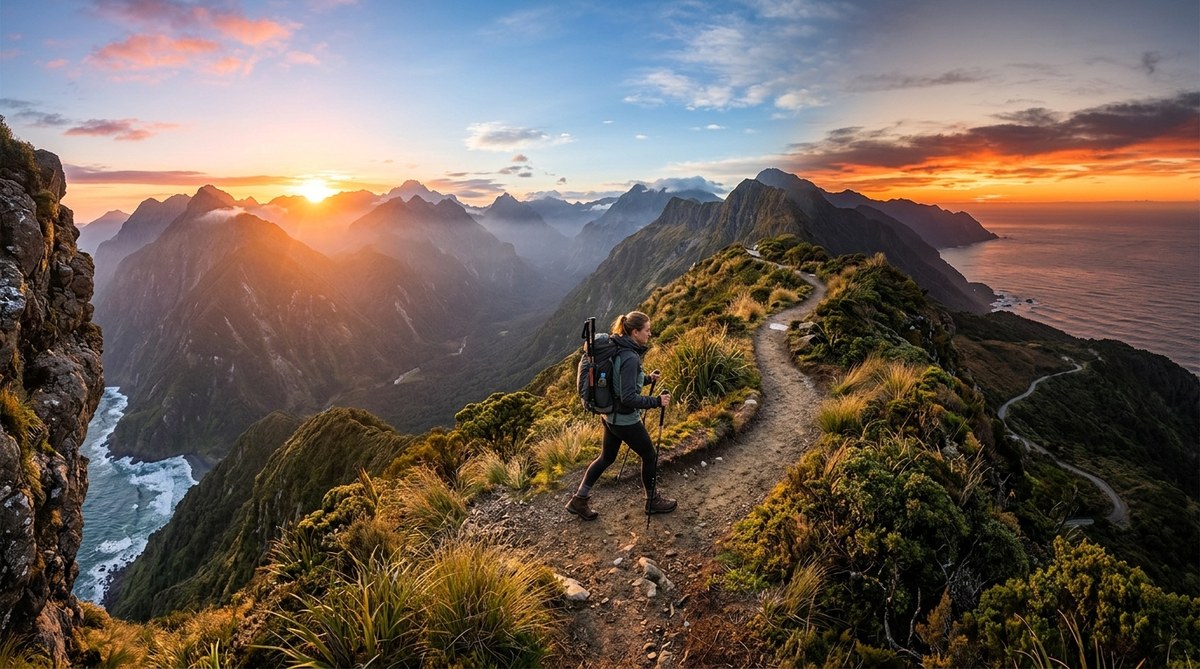
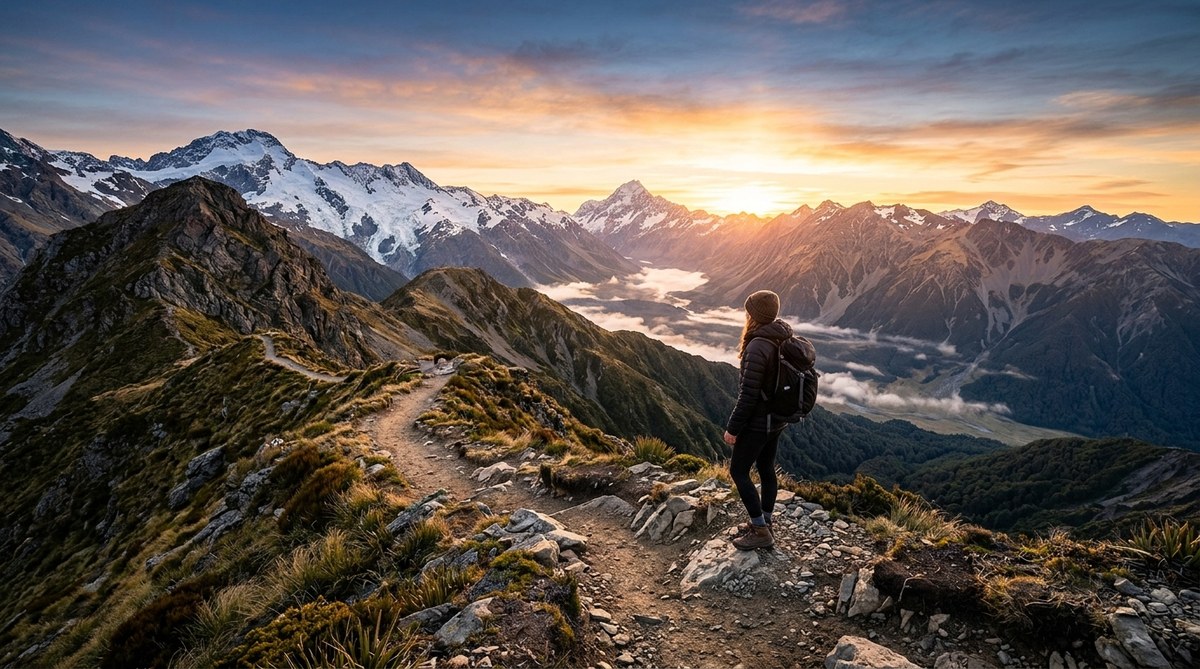
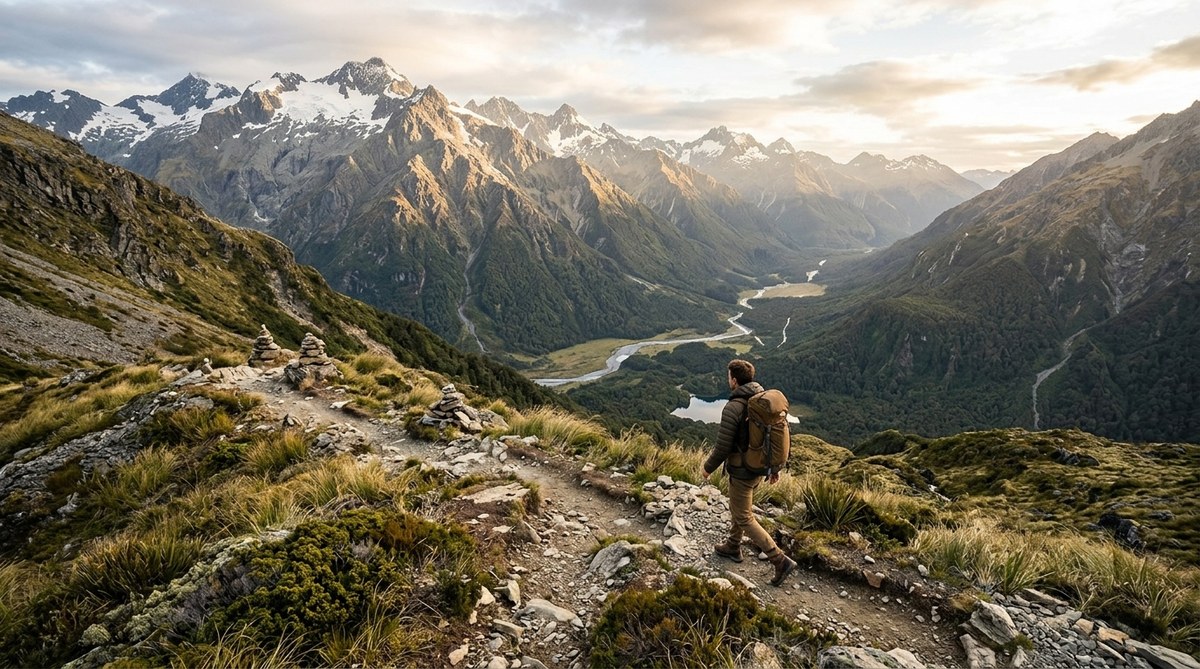
The best mornings start with cold air and a dark sky. Your headlamp cuts a narrow path as the trail rises beneath your boots. Above the ridgeline, the horizon begins to glow. By the time the sun clears the mountains, you have already been moving for an hour. That is the feeling of a sunrise to sunset day hike itinerary done right. It is not about covering the most miles. It is about stretching a single day into a complete arc of light, from the first pink band on the horizon to the last purple smear before night. With the right plan, any standard loop or out and back can become a full day adventure.
A successful sunrise to sunset day hike itinerary depends on three things: timing your start to arrive at a viewpoint before dawn, pacing yourself through the midday heat with a long break, and finishing the descent with enough daylight to stay safe. Pick a trail with at least 10 miles and 2,000 feet of elevation gain. Pack layers, extra food, and a filter for water. Start before dawn, rest at the high point, and hike out as the sun drops.
Why a Full Day Changes How You See the Trail
A standard afternoon loop gives you a snapshot. A sunrise to sunset day hike itinerary gives you the whole album. You watch the light shift across rock and tree. You feel the temperature rise, peak, and fall. You hear the forest wake up and then settle down for the night. That kind of day changes your relationship with a trail. It stops being a workout and starts being a journey.
There is also a practical benefit. By starting early, you beat the crowds on popular routes. On trails near national parks, the parking lot fills by 8 a.m. in summer. If you are hiking from dark, you get the best parking spot and the trail to yourself for the first few miles. For more ideas on where to go, check out these
Building Your Sunrise to Sunset Day Hike Itinerary
1. Choose the Right Trail
Not every trail works for a full day. You need a route with enough distance and elevation to fill 10 to 14 hours, but not so much that you risk hiking in the dark. Look for these features:
- Length: 10 to 16 miles total.
- Elevation gain: 2,000 to 4,000 feet.
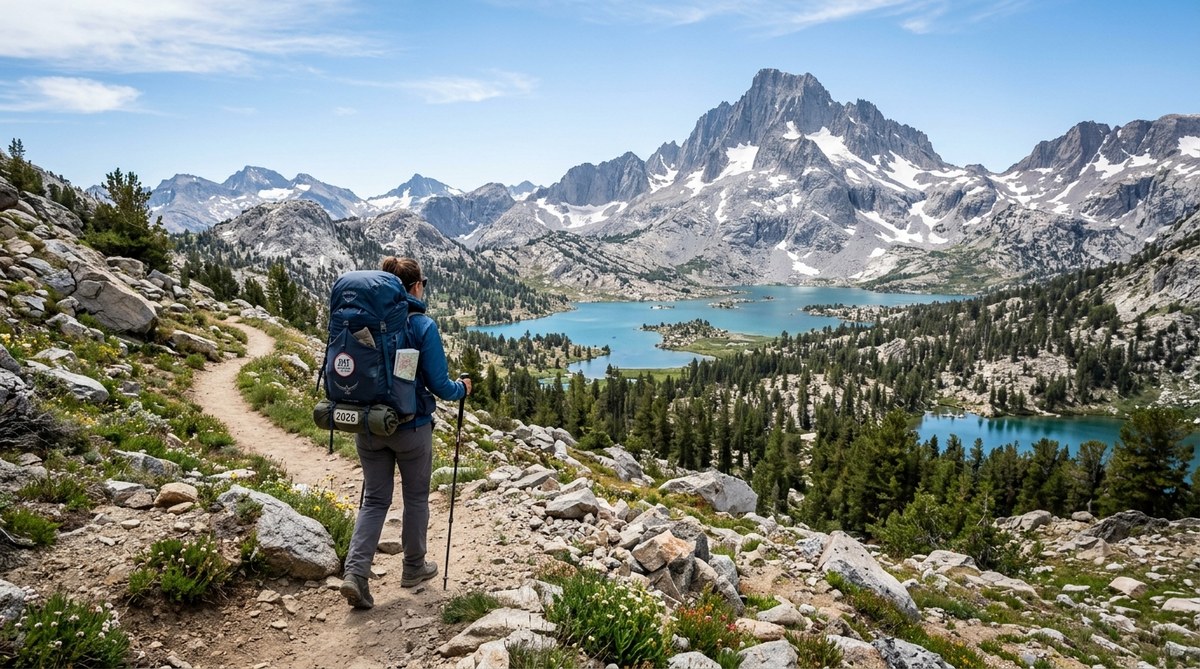
- Exposure: At least one open summit, ridge, or lakeside where you can watch the sunrise.
- Water source: A stream or lake at the midpoint where you can filter water.
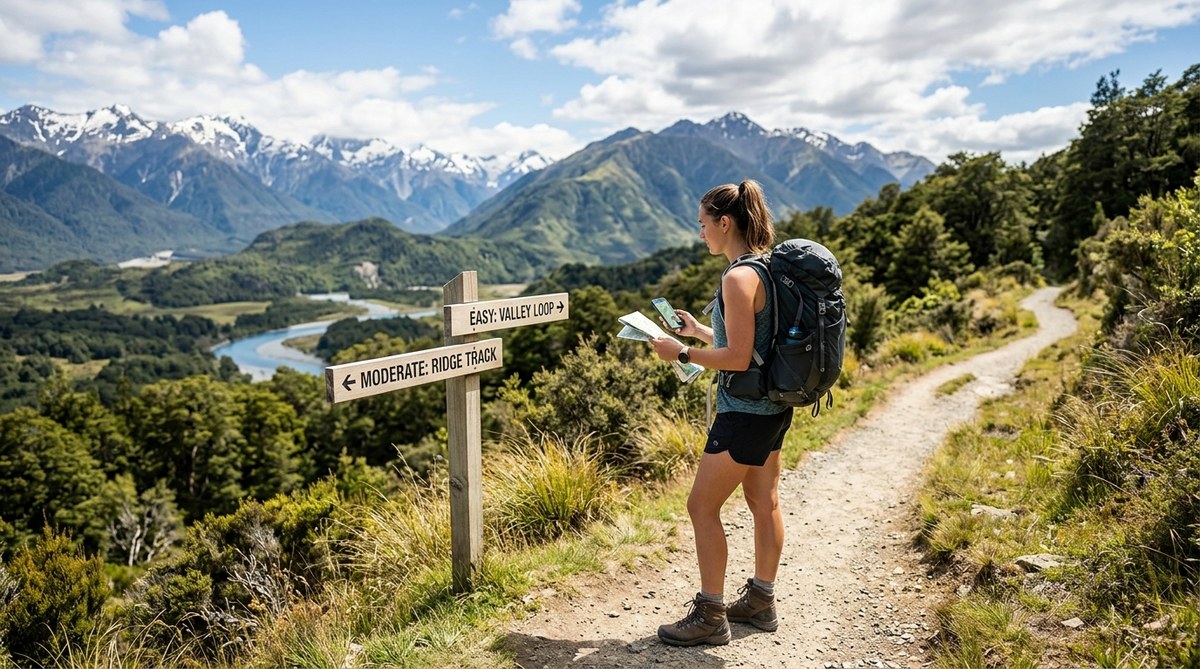
- Terrain: Clear tread with easy navigation. This is not the day for a bushwhack.
Trails that work well include rim hikes, alpine lake loops, and ridge walks. Avoid deep canyons where the sun does not reach until late morning. If you are new to route selection, read through this https://tramper.nz/ultimate-guide-to-choosing-the-perfect-hiking-trail-for-your-adventure/ for help matching terrain to your fitness level.
2. Time Your Start to the Minute
Your start time depends on the season. In June, sunrise in the lower 48 hits around 5:30 a.m. In December, it is closer to 7:15 a.m. You want to be at your sunrise viewpoint at least 15 minutes before the official sunrise time. That means your start time is:
Sunrise time minus hiking time to viewpoint minus 15 minutes.
If it takes 45 minutes to reach the summit and sunrise is at 6:00 a.m., you leave the car at 5:00 a.m. Use a headlamp for the first part. The trail will lighten as you climb.
3. Plan a Midday Pause
The biggest mistake people make on a long day hike is trying to keep moving through the heat. Between 11 a.m. and 2 p.m., the sun is harsh and your energy drops. Build a long break into your sunrise to sunset day hike itinerary. Find a shady spot near water. Eat a real lunch. Soak your feet in the creek. Take a nap if you need one. This rest period is what lets you finish strong in the afternoon.
4. Manage Your Pace
A common rhythm looks like this:
- 5:00 a.m. to 8:00 a.m. Climb in the cool dark. Stop for sunrise.
- 8:00 a.m. to 11:00 a.m. Continue climbing or traverse the ridge.
- 11:00 a.m. to 2:00 p.m. Long break at a lake or pass.
- 2:00 p.m. to 5:00 p.m. Descend at a steady pace.
- 5:00 p.m. to 7:00 p.m. Slow down. Watch the sunset from a lower viewpoint or the trailhead.
5. Pack for 14 Hours, Not 4
A day hike kit for a normal morning loop will not cut it. Your gear list needs to cover temperature swings, changing weather, and low light. Here is what to add:
- Extra insulation: A puffy jacket and a wind shell. You will be cold at dawn and cold again at dusk.
- Headlamp with fresh batteries: You use it at the start and you might need it at the end.
- Water filter: You cannot carry enough water for 14 hours. Plan to filter from a stream or lake.
- 3 liters of water capacity: Carry two bottles and a one liter bladder. Fill up at the midpoint.
- Food for three meals: A pre hike snack, breakfast on the trail, lunch, and dinner for the drive home.
- First aid kit with foot care: Blisters are more likely after 10 miles. Bring moleskin and tape.
For a full list of what to carry, look at this
Gear Comparison: What Works Best for a Full Day
| Gear Item | Standard Day Hike | Sunrise to Sunset Hike |
|---|---|---|
| Headlamp | Optional | Mandatory (start and finish) |
| Water | 1 liter | 3 liter capacity + filter |
| Layers | One mid layer | Base + mid + puffy + shell |
| Food | One snack | Breakfast + lunch + snacks |
| Sun protection | Hat only | Hat + sunscreen + sunglasses + lip balm |
| Navigation | Phone app | Map + compass + backup battery |
| Foot care | Nothing | Moleskin + tape + clean socks |
Common Mistakes That End a Long Day Early
Even experienced hikers make errors when they stretch a hike to 14 hours. Here are the most common problems and how to avoid them:
- Starting too late. You miss the sunrise and you rush the descent. Set your alarm for 3:30 a.m. and commit to it.
- Skipping the rest break. You push through the afternoon and hit a wall at mile 11. Take the full two hour break.
- Underestimating water needs. You run dry at mile 8 with three miles of climbing left. Filter water at every opportunity.
- Wearing the wrong socks. Cotton socks cause blisters on a long day. Wear wool or synthetic liners.
- Ignoring the weather forecast. Afternoon thunderstorms are common in the Rockies and the Sierra. Start early enough to be off the ridge by noon.
Expert advice: “The most important tool for a sunrise to sunset day hike itinerary is a watch. Not a smart watch with maps. A simple watch with a timer. Set an alarm for your turnaround time. If you hit that time and you are not at your high point, turn around anyway. The sunset waits for no one.” – Long time trail runner and guide, Rachel Adair.
How to Handle the Sunset Leg
The last few miles of a long day hike are the most dangerous. Your legs are tired. Your focus is slipping. The light is fading. Follow these rules:
- Keep your headlamp accessible. Do not bury it in your pack. Put it in a side pocket or wear it around your neck.
- Slow your pace. A stumble at mile 14 can end your season. Take smaller steps on rocky sections.
- Watch the time. You want to be on easy, low angle trail when the sun goes down. Save the steep descents for late afternoon.
- Stay warm. As the sun drops, your body temperature drops too. Put on your puffy jacket before you feel cold.
If you are hiking in a group, stay together. The last mile in the dark is not the time to split up. For tips on staying safe on remote trails, check out this
Sample Sunrise to Sunset Day Hike Itinerary
Here is a real world example using a 12 mile loop with 3,200 feet of gain. This works for trails like the South Rim Trail at Big Bend, the Grayson Highlands loop in Virginia, or the Highline Trail in Glacier National Park.
| Time | Activity |
|---|---|
| 4:30 a.m. | Wake up. Eat a granola bar. Fill water bottles. |
| 5:00 a.m. | Start hiking with headlamp. |
| 5:45 a.m. | Arrive at sunrise viewpoint. Wait for the light. |
| 6:15 a.m. | Continue climbing. Eat a breakfast bar on the move. |
| 9:30 a.m. | Reach the high point. Take photos. |
| 10:00 a.m. | Traverse the ridge. Enjoy the views. |
| 11:15 a.m. | Arrive at alpine lake. Filter water. |
| 11:30 a.m. | Long break. Eat lunch. Nap in the shade. |
| 1:45 p.m. | Pack up. Start the descent. |
| 4:30 p.m. | Reach the lower valley. Trail is shady now. |
| 5:45 p.m. | Find a spot to watch the sunset. |
| 6:30 p.m. | Finish the last mile with headlamp on. |
| 7:00 p.m. | Back at the car. Change into dry clothes. |
Adjusting for Seasons and Location
The same sunrise to sunset day hike itinerary shifts depending on where you live and what time of year it is.
- Summer in the Pacific Northwest: Days are long (16 hours of light). You can start at 5:00 a.m. and finish at 9:00 p.m. Watch for afternoon thunderstorms in the Cascades.
- Fall in New England: Days are shorter. Start at 6:00 a.m. and finish by 6:00 p.m. The foliage makes the midday break even better.
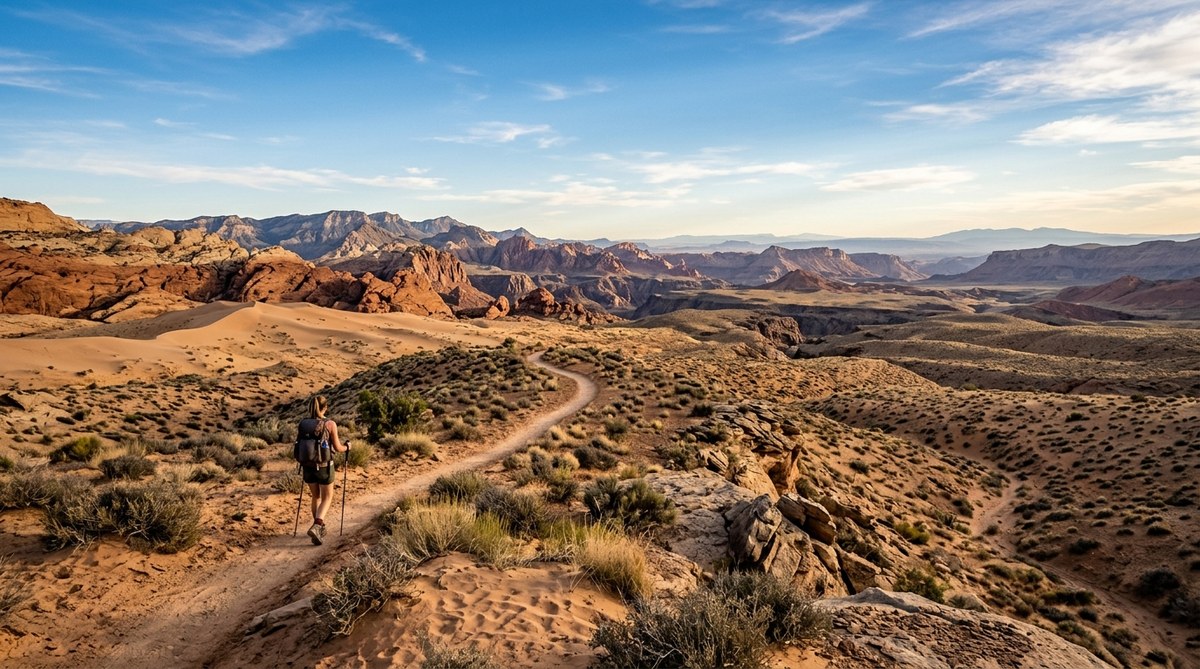
- Winter in the Southwest: Days are short but the light is golden. Start at 7:00 a.m. and plan a shorter route. Carry microspikes for icy sections.
- Spring in the Southeast: Humidity drains your energy. Take a longer midday break and drink more water. Start before 6:00 a.m. to beat the heat.
If you are planning a trip to a specific park, browse these https://tramper.nz/top-10-must-visit-hiking-trails-in-the-u-s-for-2026/ for routes that match your schedule.
Making the Day Feel Like an Adventure, Not a Chore
The best sunrise to sunset day hike itinerary leaves room for spontaneity. Yes, you have a schedule. But you also have time to sit on a log and watch a marmot. You have time to swim in the lake. You have time to cook a hot lunch on a camp stove. That is the point. You are not racing. You are living a full day outside.
Bring a small notebook. Write down what you see at each hour. The way the light hits the granite at 7 a.m. is different from how it looks at 4 p.m. Those details are what you will remember in February when you are stuck inside.
Your Next Step
Pick a trail this weekend. Check the sunrise time for your location. Set your alarm. Pack your bag the night before. Lay out your clothes. Charge your headlamp. Then go. The first step in the dark is the hardest. After that, the day unfolds on its own. You will watch the sun rise from a place most people never see. You will feel the heat of midday and the cool of evening. And when you get back to the car, tired and hungry and happy, you will already be planning the next one.
For more help finding the right route, take a look at these https://tramper.nz/discover-the-most-scenic-hiking-trails-for-your-next-adventure/ and start building your own full day plan.

Leave a Reply