
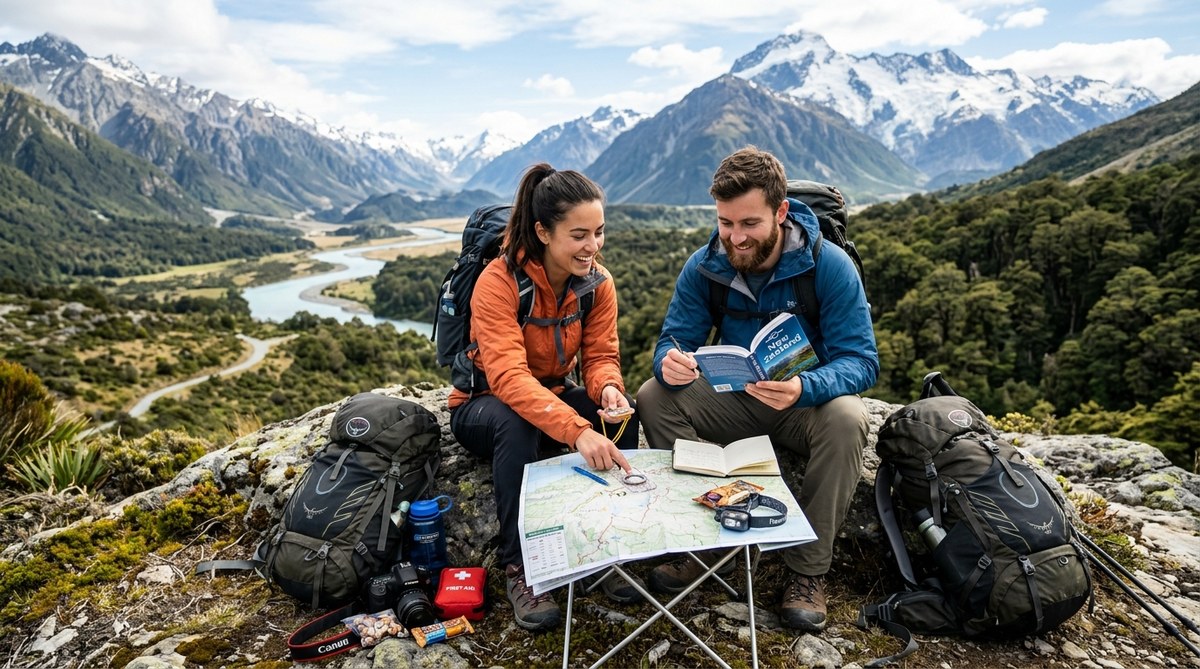
Planning an adventure trip is more than just picking a destination and packing a bag. It’s about crafting an experience that excites you, pushes your limits, and leaves you with stories to tell. Whether you’re scaling mountain trails, wandering through remote landscapes, or diving into new cultures, proper planning makes all the difference. Missing key steps can turn your thrill-filled journey into a stressful ordeal. That’s why knowing the essential tips for planning your adventure trip is your best bet for a smooth, memorable experience.
Effective adventure trip planning combines careful destination research, realistic budgeting, flexible itineraries, and packing smart. These steps help you stay safe, enjoy every moment, and create unforgettable memories without unnecessary stress.
Know Your Destination Inside and Out
Before you set foot on the trail or board the plane, understanding your destination is foundational. Look into the climate, terrain, local customs, and any travel restrictions. Reliable trail guides and adventure blogs can give you insights into what to expect and help you avoid surprises. For instance, if you’re planning a multi-day hike in remote parts of New Zealand, knowing about weather patterns and trail conditions can influence your gear choices and timing.
Do Your Homework
Research is key. Check official parks or wilderness area websites for updates on trail accessibility and safety advisories. Read recent reviews from fellow travelers who’ve recently visited. This gives you real-time info on current conditions.
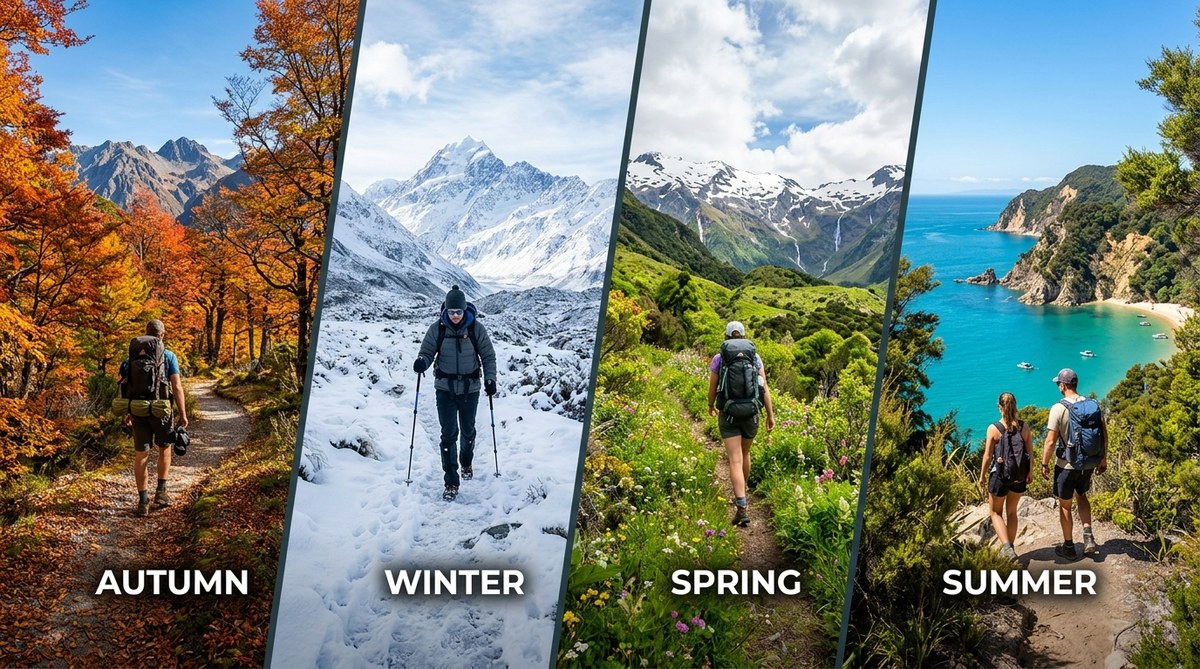
Be Mindful of Seasons and Timing
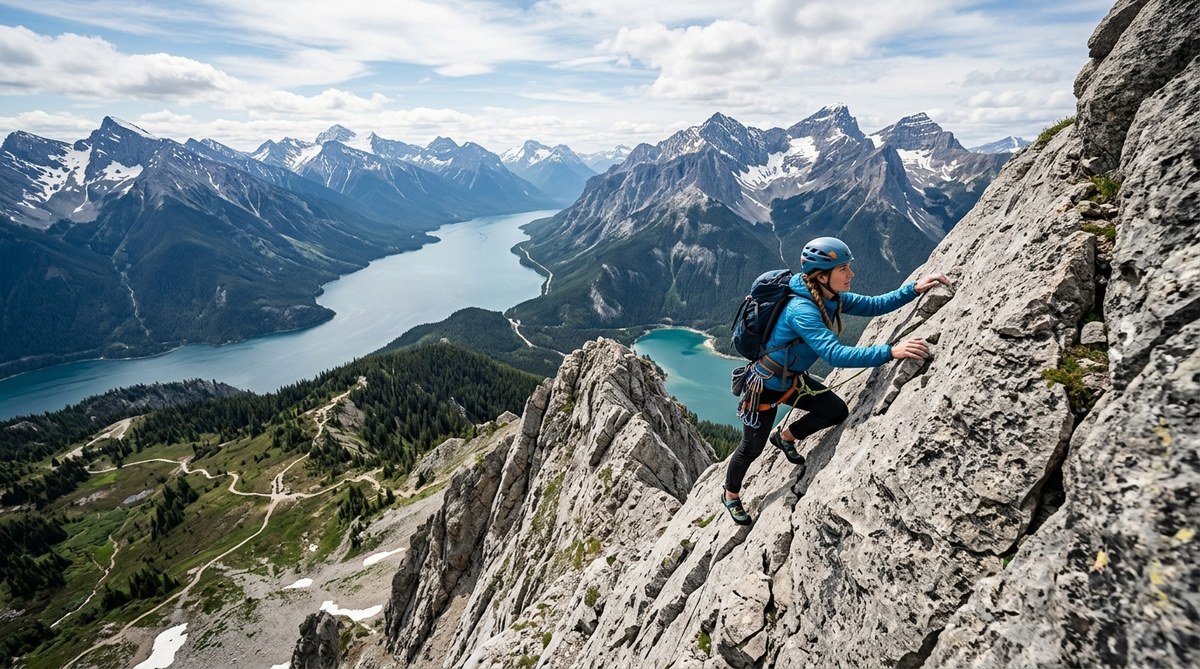
Timing your trip for the right season ensures better weather, fewer crowds, and optimal trail conditions. For example, climbing a mountain in winter might require specialized gear and experience. Use online weather tools and seasonal guides to determine the best window for your adventure.
Set a Realistic Budget and Plan Your Gear
Adventure trips often involve extra expenses beyond typical travel. From specialized equipment to permits and guides, costs can add up quickly. Creating a detailed budget upfront keeps your trip within your means and prevents last-minute stress.
Practical steps for budgeting:
- List all potential expenses including gear, transportation, accommodation, permits, and food.
- Allocate extra funds for emergencies or unexpected expenses.
- Consider travel insurance that covers adventure activities.
Packing smart
Packing the right gear is vital. Focus on lightweight, multi-use items that serve multiple purposes. For hiking, essentials include sturdy footwear, weather-appropriate clothing, navigation tools, and safety gear. Remember, overpacking can weigh you down, while underpacking might leave you unprepared.
Gear checklist example
- Backpack with good support
- Layered clothing for changing weather
- Navigation tools such as a map and compass
- First aid kit
- Hydration system
- Multi-tool or knife
- Headlamp or flashlight
Build Flexibility Into Your Itinerary
While it’s tempting to plan every detail, leaving room for spontaneous moments makes adventure trips richer. Weather changes, trail conditions, and local recommendations can lead you to unexpected gems.
Techniques for staying flexible:
| Technique | Common Mistake |
|---|---|
| Plan buffer days | Over-scheduling activities |
| Keep alternative routes in mind | Rigidly sticking to original plans |
| Prioritize key experiences but remain open to new ones | Ignoring local advice or spontaneous opportunities |
“The best adventures often come from unplanned moments. Flexibility allows you to adapt and immerse yourself fully.” — Local outdoor guide
Prioritize Safety and Health
Your safety is paramount. Always inform someone about your plans and expected return. Carry a communication device suitable for remote areas, like a satellite phone or GPS messenger.
Practical safety tips:
- Know your limits and choose activities aligned with your experience level.
- Pack a comprehensive first aid kit.
- Stay hydrated and nourished.
- Be aware of local wildlife and environmental hazards.
- Register your trip with local authorities if required.
Mistakes to avoid:
| Mistake | Consequence |
|---|---|
| Underestimating trail difficulty | Getting injured or lost |
| Ignoring weather warnings | Facing dangerous conditions |
| Not informing others of plans | Difficulty in rescue situations |
Master the Art of Packing
Smart packing involves bringing essentials without overloading your pack. Use packing cubes or compression sacks to organize gear. Remember to pack for the worst-case scenario just in case.
Packing checklist
- Weather-appropriate clothing
- Durable footwear
- Navigation and communication devices
- Personal identification and permits
- Snacks and water bottles
- Emergency blanket and whistle
Techniques and mistakes table
| Technique | Mistake |
|---|---|
| Pack versatile clothing | Overpacking non-essential items |
| Use lightweight gear | Forgetting necessary safety equipment |
| Organize gear for quick access | Packing items randomly |
Making Your Adventure Memorable
Think beyond just reaching a destination. Capture moments responsibly, connect with local communities, and savor the environment. Remember, the journey is as important as the destination.
Final thoughts
Planning your adventure trip with care and attention to detail transforms it from a simple getaway into a story worth sharing. With thorough research, flexible planning, and smart packing, you’ll set yourself up for a safe and fulfilling experience.
Your Next Adventure Starts with Good Planning
Applying these essential tips will help you approach your trip with confidence. Remember, every adventure is unique. Embrace the unpredictability, stay safe, and most of all, have fun. Your next unforgettable journey awaits just beyond the planning stage. Happy travels!

Leave a Reply