
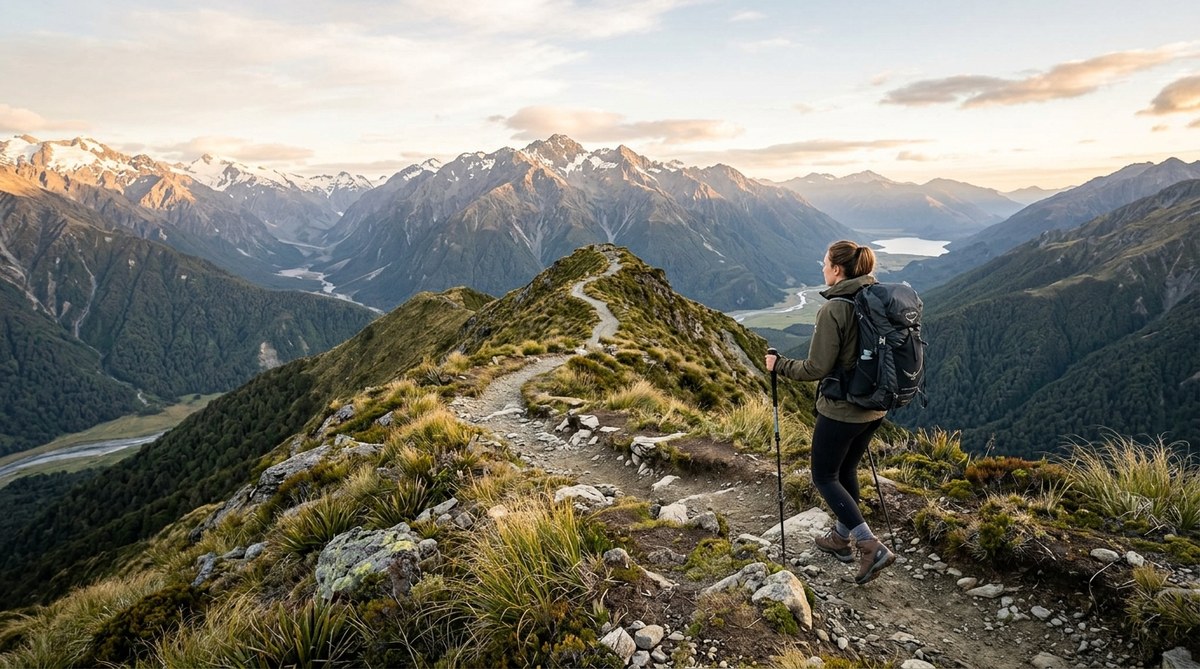
Thinking about hitting the trails but unsure where to start? Picking the right hiking route can make the difference between an enjoyable adventure and a stressful ordeal. Whether you are new to hiking or a seasoned outdoor lover, understanding how to choose a hiking trail helps ensure your experience is safe, fun, and fulfilling. With a few simple steps, you can find trails that suit your fitness level, interests, and schedule, making every hike a memorable outing.
Selecting the right hiking trail involves assessing your fitness, interests, and safety needs. Researching trail details, considering your experience level, and planning ahead will help you enjoy nature without stress. Use local guides, recent reports, and reliable maps to make informed choices and ensure your outdoor adventures are safe and rewarding.
Understanding What Makes a Trail a Good Fit
Choosing a hiking trail starts with understanding your preferences and limitations. Think about what kind of adventure you want. Are you craving a quick nature walk, a challenging summit, or a family-friendly route? Knowing your goals helps narrow your options.
Consider the following factors when selecting a trail:
- Trail difficulty and terrain: Is it flat, hilly, rocky, or forested?
- Distance and duration: How long do you want to hike, and can your fitness handle it?
- Scenery and environment: Do you prefer waterfalls, mountain views, or lush greenery?
- Trail accessibility: How easy is it to reach the trailhead and park nearby?
Practical Steps to Find and Choose the Right Hiking Trail
Here are three straightforward steps to guide your trail selection process:
1. Define Your Hiking Goals and Limitations
Start by clarifying what you want out of your hike. Are you seeking a peaceful nature walk, a strenuous mountain climb, or a family outing? Being honest about your fitness level and experience helps prevent overestimating your abilities.
Ask yourself:
– How much time do I have?
– What terrain do I prefer?
– Do I need amenities like restrooms or picnic areas?
– Am I hiking solo or with others?
Expert tip: “Knowing your limits is key to a safe and enjoyable hike. Always choose trails that match your fitness level and experience,” advises outdoor safety specialists.
2. Research Trails with Reliable Information
Use trusted resources to gather details about potential trails. Websites like Tramper, national park sites, and local hiking groups provide valuable info on trail conditions, maps, and reviews.
Pay attention to:
– Trail length and elevation gain
– Current trail conditions and recent reports
– Parking and access points
– Any permits or fees required
3. Evaluate Trail Conditions and Recent Reports
Before heading out, check recent trip reports and trail condition updates. Weather can impact trail safety and accessibility. Trails may be muddy, blocked, or unsafe after heavy rain or snow.
Bulleted checklist for trail prep:
– Confirm current trail status
– Wear suitable footwear
– Pack necessary gear
– Share your plans with someone
“Always verify trail conditions before setting out. Weather and seasonal changes can dramatically alter trail safety,” recommends experienced hikers.
Techniques for Picking the Perfect Trail and Common Mistakes to Avoid
Using the right techniques makes choosing a trail easier and safer. Here’s a quick comparison:
| Technique | What it does | Common mistake |
|---|---|---|
| Reading recent trip reports | Provides up-to-date info | Relying solely on outdated guides |
| Checking trail maps and elevation profiles | Helps visualize the hike | Ignoring trail difficulty levels |
| Considering weather forecasts | Ensures safety | Not adjusting plans for weather changes |
| Starting with local or beginner trails | Builds confidence | Overestimating your ability on challenging routes |
Techniques to Use
- Use trail apps or websites with recent reports
- Match trail difficulty to your fitness
- Study elevation profiles to anticipate effort
- Plan for possible weather changes
Mistakes to Avoid
| Mistake | Why it’s a problem | How to prevent it |
|---|---|---|
| Ignoring recent trail reports | You might encounter closures or hazards | Always check latest updates |
| Underestimating trail difficulty | Risk of exhaustion or injury | Choose trails that match your fitness |
| Not considering weather | Can lead to unsafe conditions | Check forecasts and pack accordingly |
| Overloading gear | Heavier packs tire you faster | Pack only essentials |
The Power of Preparation and Safety
Preparation is vital. Packing the right gear, informing someone about your plans, and understanding trail conditions make your hike safer and more enjoyable.
“Plan ahead and respect the trail. Your safety depends on good preparation and awareness,” emphasizes outdoor safety experts.
Wrapping Up Your Trail Choice
Picking the right hiking trail is about matching your goals with available information and conditions. By defining what you want, researching thoroughly, and checking recent reports, you can select a trail that suits your skill level and interests. Remember to respect nature and prioritize safety at every step.
Once you’ve chosen your trail, make sure to carry essentials like water, snacks, a map, and weather-appropriate clothing. And don’t forget to leave no trace behind. Every hike is an opportunity to connect with nature and refresh your mind.
Final Thoughts on Your Hiking Journey
Choosing the right trail is the foundation of a great outdoor adventure. With a little planning and curiosity, you can discover routes that challenge you and bring joy. Use local resources, trust your instincts, and enjoy every step of your journey. Happy hiking!







Leave a Reply