
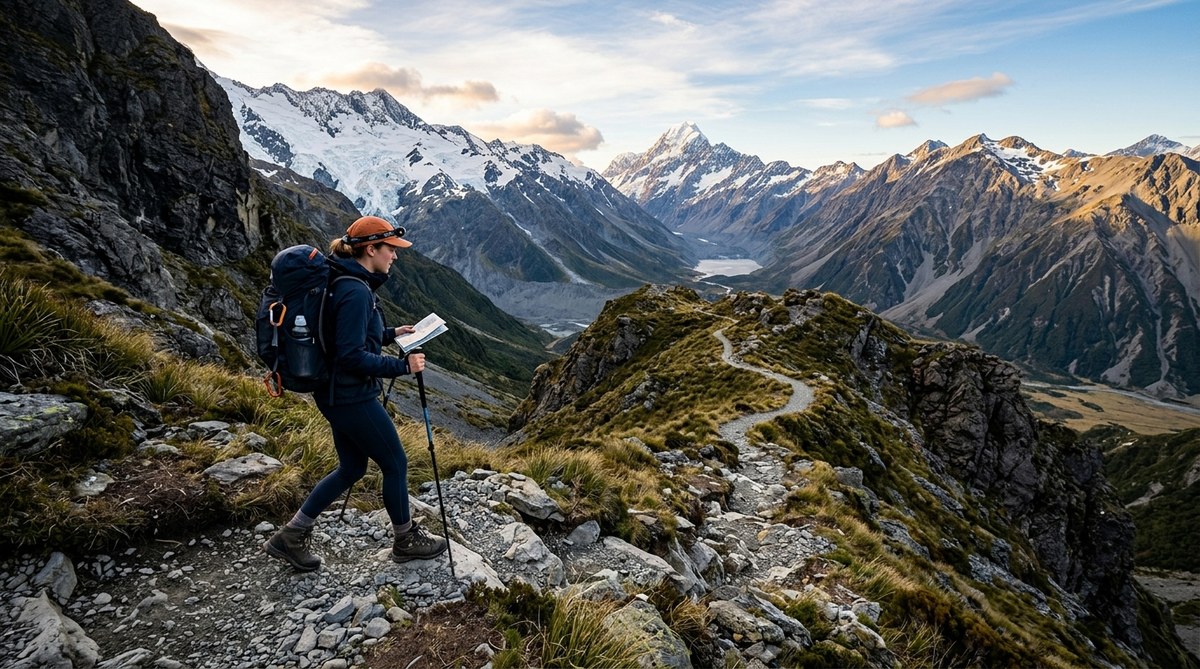
Hiking on mountain trails offers breathtaking vistas and a sense of freedom. But the rugged terrain and unpredictable weather demand respect and preparation. Whether you’re new to mountain hiking or an experienced trekker, understanding key safety practices can turn a good adventure into an unforgettable one without unnecessary risks. Knowing how to navigate, plan, and respond to surprises is the foundation of safe mountain exploration.
Practicing mountain trail hiking safety tips involves thorough planning, carrying proper gear, staying aware of your surroundings, and knowing how to respond to emergencies. These steps help you enjoy nature safely and confidently, whether you’re a beginner or seasoned hiker.
Why Mountain Trail Safety Matters
Hiking in mountain environments presents unique challenges. Loose rocks, steep drops, rapidly changing weather, and navigation hurdles can turn an enjoyable walk into a risky situation. Safety is not about avoiding adventure but about respecting the landscape and preparing appropriately. Staying safe means knowing your limits, understanding the terrain, and being equipped to handle unexpected events. When you prioritize safety, you can focus on the joy of discovery and the beauty of nature.
Essential Steps for Safe Mountain Trail Hiking
- Research the Trail and Conditions
- Prepare Your Gear and Supplies
- Follow Navigation and Safety Protocols
- Stay Aware and Adapt to Changes
- Respond Effectively in Emergencies
1. Research the Trail and Conditions
Before heading out, gather detailed information about the trail. Check recent weather forecasts and trail reports from trusted sources. Websites like AllTrails and local park services provide updates on trail status, hazards, and accessibility. Look for reviews from other hikers who mention trail conditions, closures, or tricky sections. Knowing what to expect helps you plan your route and pack appropriately.
Expert tip: “Always check the weather forecast before your hike and be prepared for sudden changes. Mountain weather can shift rapidly, turning a clear day into a stormy one within hours.” — Outdoor safety specialist
2. Prepare Your Gear and Supplies
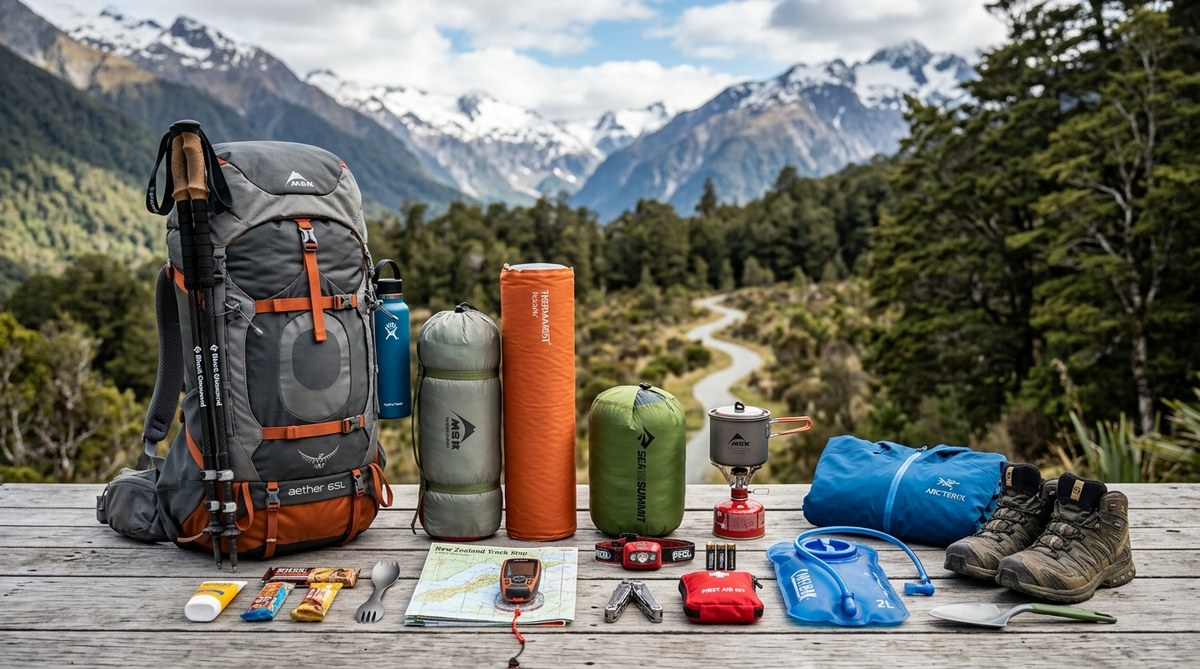
Proper gear is your first line of defense. Carry a detailed packing list tailored for mountain terrain:
- Navigation tools: map, compass, GPS device or smartphone with offline maps
- Clothing: moisture-wicking base layers, insulating layers, waterproof jacket, hat, gloves
- Footwear: sturdy, well-fitting hiking boots with good grip
- Safety items: first aid kit, whistle, multi-tool, headlamp, emergency blanket
- Nutrition and hydration: enough water, water filter or purification tablets, energy snacks
A table can help clarify common mistakes and correct techniques:
| Technique | Mistake |
|---|---|
| Checking weather forecast | Assuming weather stays the same |
| Wearing proper footwear | Wearing worn-out shoes |
| Carrying navigation tools | Relying solely on phone GPS |
| Dressing in layers | Overdressing or underdressing |
| Staying on marked trails | Cutting across unmarked areas |
3. Follow Navigation and Safety Protocols
Staying on the trail and knowing your route prevents getting lost. Use a map and compass or GPS to stay oriented. Always inform someone about your plans, including your expected return time. Consider carrying a personal locator beacon or satellite messenger if venturing into remote areas. Remember to stick to designated paths, especially on steep or unstable terrain.
“When in doubt, turn back. No view or summit is worth risking your safety.” — seasoned hiker advice
4. Stay Aware and Adapt to Changes
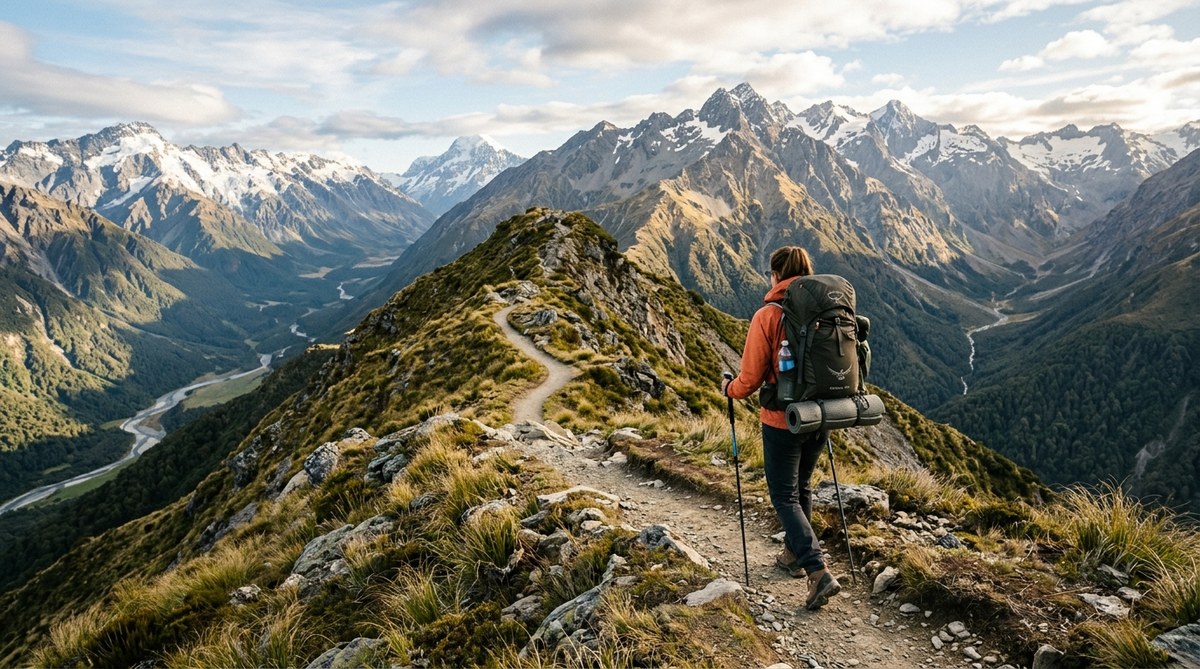
Mountain environments are dynamic. Keep your eyes and ears open for trail markers, cairns, and changes in terrain. Watch for loose rocks, muddy patches, or sudden drops. Be prepared to adjust your plans if weather worsens or if trail conditions become unsafe. Maintaining situational awareness allows you to react swiftly and avoid hazards.
5. Respond Effectively in Emergencies
Despite best efforts, accidents can happen. Knowing how to respond quickly is vital.
- Use your whistle to signal for help if lost or injured.
- Administer basic first aid for cuts, sprains, or hypothermia.
- Keep calm and conserve energy.
- Contact emergency services if possible or wait for rescue.
“Taking a CPR and first aid course can make a real difference in critical situations.” — wilderness safety expert
Techniques and Common Mistakes in Mountain Hiking Safety
| Technique | Common Mistake |
|---|---|
| Planning your route in advance | Relying on cell phone alone |
| Carrying layered clothing | Wearing cotton or inappropriate gear |
| Monitoring weather updates | Ignoring sudden weather signs |
| Using a map and compass | Trusting only digital devices |
| Sticking to marked trails | Venturing off-path without backup |
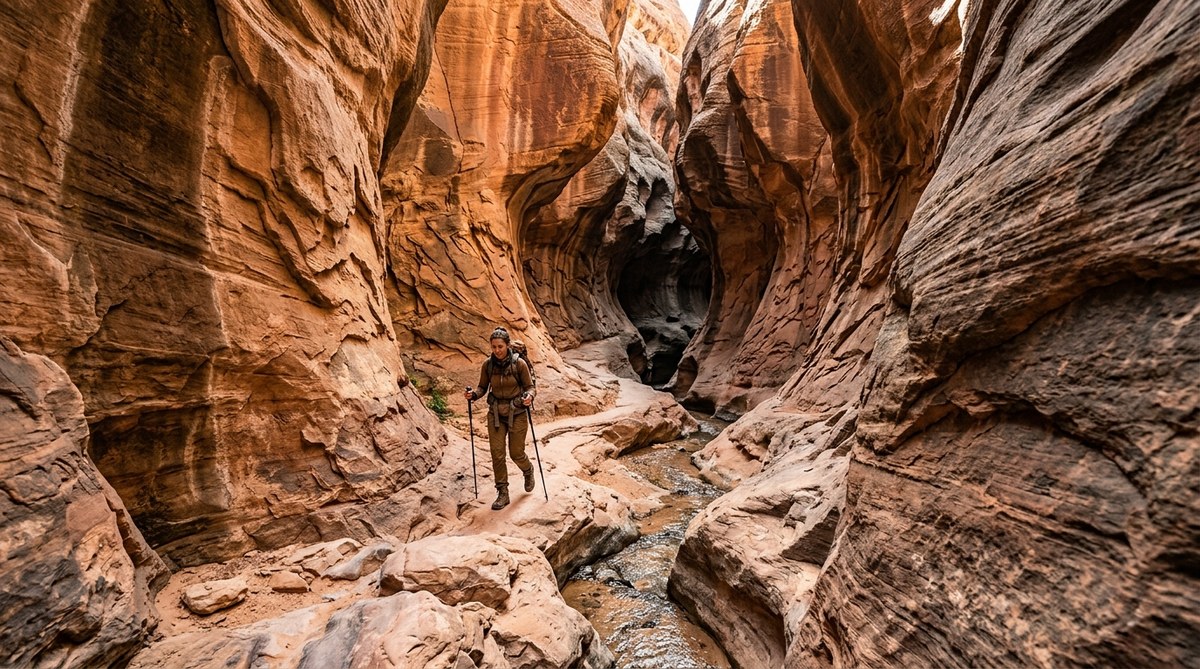
Staying Safe on Hidden Trails
Hidden mountain trails often lack signage and may wind through rugged, less-traveled areas. To navigate these safely:
- Always carry detailed maps and a compass.
- Use a GPS device with offline maps.
- Pay attention to natural trail markers like cairns.
- Avoid shortcuts or unmarked routes.
- Be cautious near cliff edges or unstable slopes.
Remember, in remote areas, cell service might be limited. Let someone know your itinerary and expected return time. Consider carrying a satellite communicator for peace of mind.
Final Tips for Confident Mountain Adventures
- Start with shorter, well-marked trails if you’re new.
- Build your skills gradually by tackling more challenging routes over time.
- Dress to stay dry and warm, even if the forecast looks clear.
- Keep your group together, especially in tricky sections.
- Always carry extra supplies and emergency gear.
Embracing the Joy of Safe Mountain Hiking
Mountain trails can surprise you with their beauty and challenges. Respect the environment, prepare thoroughly, and stay alert. With the right mindset and gear, you can enjoy mountain adventures that leave you refreshed and inspired. Remember, safety enhances the thrill of discovery. Pack smart, stay informed, and have fun exploring nature’s majestic landscapes.
Happy hiking!

Leave a Reply