
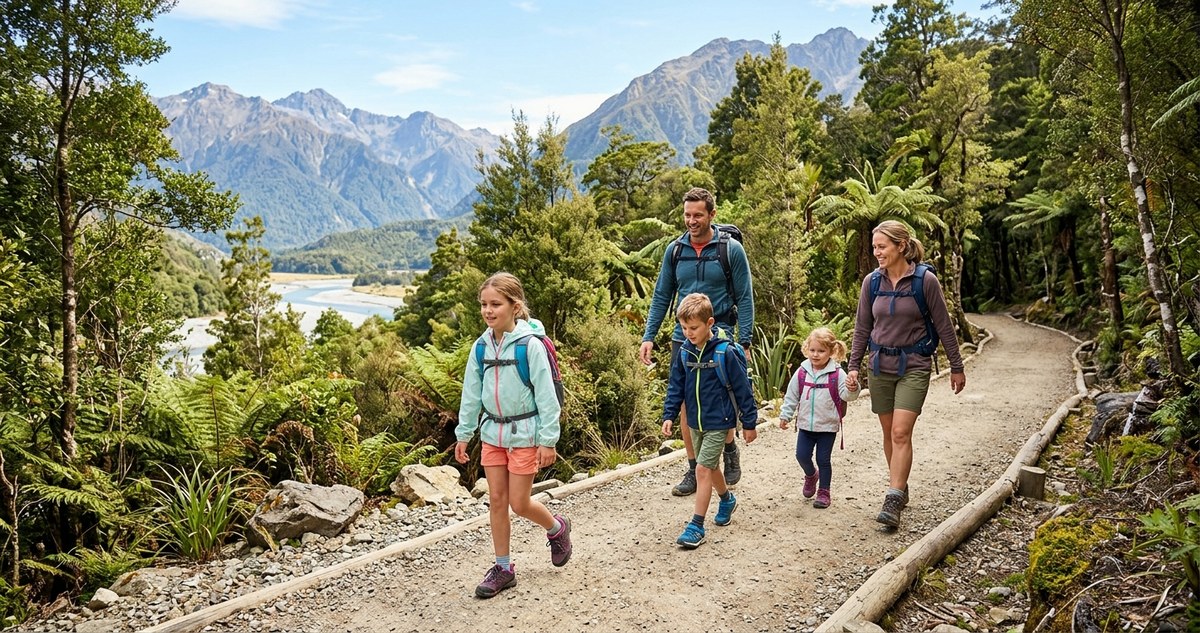
Getting outside with your kids is one of the best ways to create memories that stick. But finding a trail that works for little legs, short attention spans, and safety concerns can feel like a puzzle. You want adventure without the meltdowns, fresh air without the danger. The secret is knowing what to look for and how to prepare. Whether you are hoping to burn off some energy on a Saturday morning or planning a full day in the woods, the right kid friendly hiking trails can turn a simple walk into a family tradition.
Kid friendly hiking trails are short, have gentle grades, offer natural interest points, and prioritize safety. Look for trails under 2 miles with shade, rest spots, and clear markers. Pack snacks, water, a first aid kit, and let your child lead the pace. The best trail is the one your family finishes with smiles, not tears.
What Makes a Hiking Trail Kid Friendly
Not all trails are created equal when you have a five year old in tow. A trail that works for teenagers or adults might be too long, too steep, or too boring for a younger child. Kid friendly hiking trails share a few key traits that make them stand out.
First, the distance matters. Children tire faster than adults, and their attention spans are shorter. A good rule of thumb is one mile of hiking per year of age, but even half that for a first hike is fine. Second, the elevation gain should be minimal. A steep climb might be a workout for you, but it can be frustrating for a child who just wants to find a cool rock.
Third, the trail needs built in motivation. Things like a creek to splash in, a waterfall at the end, a wooden bridge, or a wildlife spotting area keep kids engaged. Trails that are just a straight line through the woods with no variation lose their appeal after ten minutes.
Finally, safety is non negotiable. The path should be wide enough for two people to walk side by side, free of dangerous drop offs, and clearly marked so you never worry about getting lost. When you are choosing a route, look for trails that are rated easy or moderate and that have recent reviews from other parents.
How to Choose the Right Trail for Your Family
The easiest way to start is by checking local park websites or apps that filter by difficulty and distance. You can also ask in parenting groups or look for guidebooks written specifically for families. Once you have a short list, visit the trail yourself without kids first if possible. That way you know exactly what to expect.
Here are a few questions to ask before you go:
- Is the trail less than 2 miles round trip?
- Does it have shade for at least half the route?
- Are there benches, picnic tables, or restrooms nearby?
- Is the surface even (packed dirt, gravel, or boardwalk) rather than rocky or root filled?
- Will there be any dangerous sections like steep cliffs or fast moving water?
If you answer yes to most of these, the trail is a solid candidate. You can also filter by features like waterfalls, lakes, or historic sites to add extra appeal. For a broader list of trails that fit these criteria, check out our guide to discovering the most scenic hiking trails for your next adventure. That resource includes many options that work well for families.
Essential Gear for Hiking with Kids
Packing the right gear can make or break your hike. You do not need expensive equipment, but you do need the basics. Here is a bullet list of must haves for any kid friendly hiking trip:
- Water. Bring more than you think you need. Kids dehydrate faster than adults.
- Snacks. High energy foods like trail mix, granola bars, fruit, and cheese sticks.
- First aid kit. Include bandages, antiseptic wipes, tweezers for splinters, and any personal medications.
- Extra layers. Weather changes quickly. A lightweight rain jacket or fleece can save the day.
- Sun protection. Hats, sunglasses, and sunscreen. Even on cloudy days, UV rays reflect off rocks and water.
- Navigation tools. A map or a downloaded trail app on your phone. Do not rely on cell service alone.
- Comfort items. A small toy or a favorite snack for motivation when energy flags.
- Trash bag. Pack out everything you bring in. A wet bag for dirty clothes is also smart.
If you want a more detailed breakdown of everything you might need for longer trips, read our post on essential outdoor gear every hiker should pack for long trails. Many of those items apply even on shorter hikes with children.
A 5 Step Process for Planning a Family Hike
When you are ready to head out, follow these steps to keep things smooth and fun. Each step builds on the last so you are never caught off guard.
-
Pick your trail the night before. Look up the distance, elevation, and recent reviews. Print or screenshot a map. Tell someone at home where you are going and when you expect to be back.
-
Pack together as a family. Let each child choose one snack and one small item to carry. This gives them ownership and excitement. Double check the first aid kit and water.
-
Start early, but not too early. Aim for a start time when everyone is well rested and fed. Morning hikes often work best because the temperature is cooler and wildlife is more active.
-
Set a slow pace and take breaks. Let the youngest set the speed. Stop at every interesting rock, bug, or flower. Use breaks for snacks and water. A 20 minute rest halfway through a one mile hike is normal.
-
End on a high note. If your child is tired before the finish, turn back. Do not push for the destination. The goal is a positive experience, not a check mark. Celebrate reaching the car with a treat or a stop at a playground.
These steps are adapted from advice shared by many experienced hiking families. For more detailed planning strategies, you can read about top tips for planning a safe and enjoyable trail hike. That article covers weather checks, timing, and how to handle unexpected situations.
Common Mistakes and How to Avoid Them
Even seasoned parents make errors when hiking with kids. The table below compares some common mistakes with better approaches.
| Mistake | Better Approach |
|---|---|
| Choosing a trail that is too long | Pick a trail half as long as you think you can handle |
| Not bringing enough water | Bring twice the water you expect for everyone |
| Forgetting to check the weather | Check the forecast hourly for your hike window |
| Letting kids run ahead out of sight | Keep everyone within arm’s reach on narrow sections |
| Skipping the bathroom stop before starting | Make a final pit stop at the trailhead |
| Relying only on phone GPS | Download offline maps or carry a paper map |
| Wearing new shoes for the first time | Break in new footwear on short walks at home |
Avoid these pitfalls and your hike will be far more enjoyable. One more thing: do not forget to tell your kids about the plan. When they know what to expect, they cooperate better.
Expert Advice from a Parent Who Hikes Every Weekend
“The biggest mistake I see is parents trying to finish a hike instead of enjoying it. If your kid wants to stop and look at a bug for ten minutes, that is the hike. Don’t rush them. The best kid friendly hiking trails are the ones where you let your child lead and you just follow. You will see things you would have walked right past.”
— Sarah M., mother of two and volunteer trail steward in Colorado
Sarah has hiked over 200 miles with her children in the past three years. She emphasizes that the most important tool is patience. “You might only cover half a mile in an hour, but your child will remember the ladybug on the leaf more than the distance.”
Table of Trail Features That Engage Kids
Different kids love different things. Use this table to match trail features to your child’s interests.
| Trail Feature | Why Kids Love It | Best Age Group |
|---|---|---|
| Creek or stream crossing | Splashing, looking for minnows | 3 to 8 |
| Wooden bridges | Fun to run across, good photo op | All ages |
| Rock formations | Climbing, hiding, exploring | 5 to 12 |
| Wildflower meadows | Picking flowers, seeing butterflies | 4 to 10 |
| Small waterfalls | Loud sound, mist, rainbows | 3 to 10 |
| Boardwalk paths | Easy walking, feels like a game | 2 to 6 |
| Wildlife viewing areas | Spotting deer, birds, or turtles | 5 to 12 |
If your child is especially interested in a particular feature, search for trails that highlight that element. For example, families who love waterfalls can check out our list of 5 waterfall hikes you need to experience in 2026. Many of those are short enough for children.
Safety Tips for Kid Friendly Hiking Trails
Safety starts before you leave the car. Teach your children basic rules: stay on the trail, do not eat anything you find, and stop at every trail junction until everyone is together. Here are a few more safety tips specific to hiking with kids:
- Wear bright colors so kids are easy to spot.
- Use a whistle for emergencies. Teach kids to blow three short blasts if they get lost.
- Keep a current photo of your child on your phone in case they wander off.
- Check for ticks after the hike, especially in wooded or grassy areas.
- Know the signs of heat exhaustion and hypothermia. Stop and rest if your child seems overly tired, dizzy, or cold.
For a deeper look at trail safety, you can read our guide on how to evaluate a hiking trail’s difficulty rating. Understanding those ratings helps you pick trails that match your family’s fitness level.
Making Hiking a Regular Family Activity
The more you go, the easier it gets. Kids build stamina and learn to appreciate nature. Start with short, easy trails and slowly increase distance as they grow. Celebrate every hike, even the ones that end early. Keep a hiking journal where your child can draw or write about what they saw.
You can also turn hikes into small adventures by looking for geocaches, collecting leaves for a scrapbook, or identifying birds with a field guide. The key is to keep it light and fun. If you ever feel stuck for new ideas, you might enjoy our post about why these 8 short hiking trails pack a big adventure. Those trails are perfect for families who want a big payoff in a short distance.
Your Family’s Next Adventure Awaits
Kid friendly hiking trails are everywhere once you know what to look for. Start with a short, easy trail that has plenty of natural interest. Pack smart, go slow, and let your child take the lead. Every hike is a chance to teach resilience, curiosity, and a love for the outdoors. The best part is that you get to experience it all together.
So grab your water bottles, lace up those hiking shoes, and find a trail that fits your family. The memories you build will last far longer than any tired legs. Happy hiking in 2026.

Leave a Reply