
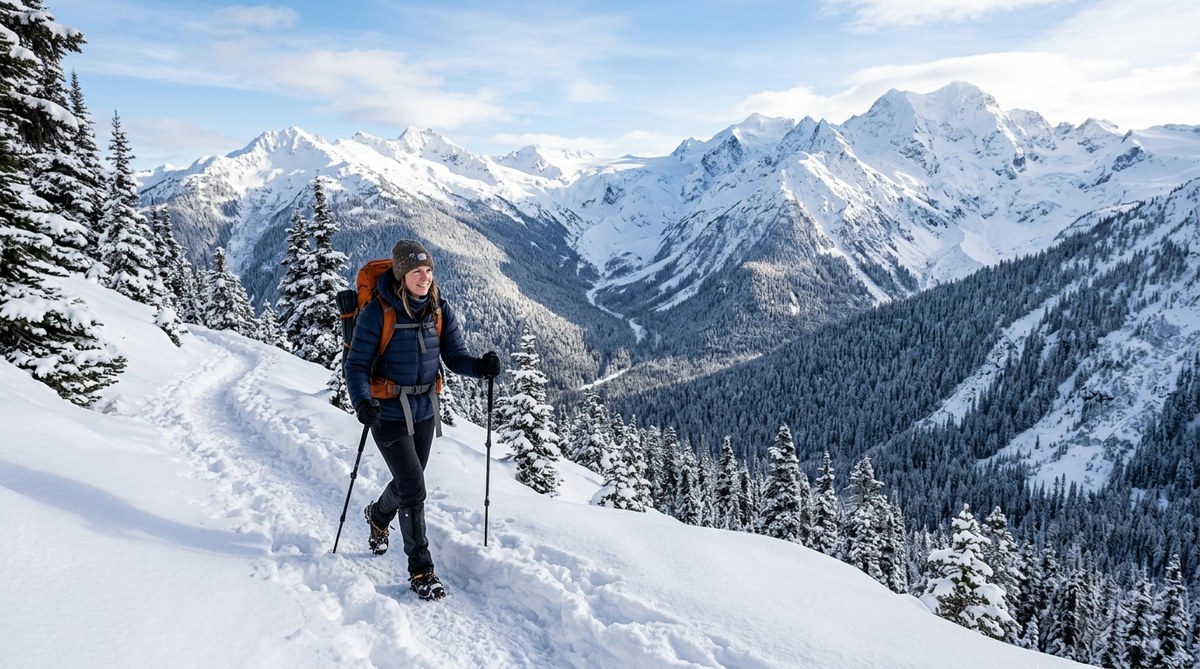
Winter hiking has a reputation for being cold, slippery, and difficult. But those who brave the frost know the truth: snowy trails offer a magic that summer can't match. The crisp air, the sound of snow crunching underfoot, the way a frozen waterfall catches the light. In 2026, more people are trading crowded summer paths for quiet winter landscapes. If you want to join them, you need to know how to pick the right trail. Not all trails are safe or fun when snow covers the ground. The key is knowing what to look for.
Finding the best winter hiking trails starts with checking snow conditions, understanding your skill level, and planning for shorter daylight hours. Focus on trails with steady use, clear markings, and manageable elevation gain. Always carry microspikes, trekking poles, and extra layers. A well chosen winter hike is safer and more rewarding than any summer route.
Why Winter Hiking Deserves a Spot on Your 2026 Calendar
Snow transforms familiar trails into something new. The same path you hiked in July feels completely different when it's blanketed in white. The crowds are gone. The views are clearer. The sounds are quieter. Winter hiking offers a kind of solitude that's hard to find in warmer months.
But it also demands respect. Shorter days mean you have less time on the trail. Cold weather requires better gear. And not every trail that's great in summer is safe in winter. That's why learning how to find the best winter hiking trails is the most important step you can take.
How to Find the Best Winter Hiking Trails
Follow this three step process to narrow down your options and pick a trail that matches your skill, gear, and conditions.
-
Check snow and weather reports for your target area. Start by looking at recent snowfall totals and forecasts. The best winter hiking trails usually have a consistent snowpack, not fresh powder that hides the trail. Use local ranger station websites or apps like Mountain Forecast. Avoid trails in avalanche zones unless you have proper training and equipment. If you're new to winter hiking, pick a trail that's known to be well traveled and packed down.
-
Match the trail difficulty to your experience level. Winter hiking is harder than summer hiking. A trail rated moderate in July can feel strenuous in January. Look for trails with minimal elevation gain in the first half mile. That stretch will tell you how the snow conditions are. If you're struggling on the approach, turn back. The best winter hiking trails for beginners include nature center loops, rail trails, and short paths to frozen waterfalls.
-
Plan your timeline around sunrise and sunset. Use an app like Suncalc to know exactly when the sun sets. Plan to be back at your car at least an hour before sunset. Even on well marked trails, walking out in the dark without a headlamp is a mistake. Always bring a headlamp anyway. Aim for a trail that takes no more than half the daylight hours round trip.
Key Factors That Make a Winter Trail Great
Not every trail is suited for winter. These qualities set the best winter hiking trails apart from the rest.
- Clear and consistent markings. Snow can cover blazes, signs, and cairns. Look for trails with obvious landmarks or frequent signage.
- Steady traffic. A trail that sees regular winter use is safer because the snow is packed and the route is obvious. Check recent trip reports on AllTrails or local hiking Facebook groups.
- Parking that is plowed. Getting to the trailhead can be the hardest part. Confirm that the parking lot is maintained in winter.
- Managed avalanche risk. If the trail crosses slopes steeper than 30 degrees, check the avalanche forecast. For 2026, many parks now post daily avalanche ratings online.
- Access to shelter or warming huts. Some of the best winter hiking trails include a cabin or heated restroom along the route. These can be lifesavers if the weather turns.
Common Winter Hiking Mistakes (and How to Avoid Them)
Even experienced hikers make errors when the temperature drops. Here are the most frequent mistakes and the simple solutions.
| Mistake | Why It Happens | How to Fix It |
|---|---|---|
| Not enough layers | People underestimate how cold they'll get when they stop moving. | Use a three layer system: base, mid, shell. Add a puffy for breaks. |
| Wearing cotton socks or shirts | Cotton holds moisture and causes chills. | Wear merino wool or synthetic fabrics only. |
| Skipping traction devices | Ice patches appear suddenly, even on packed snow. | Carry microspikes or crampons in your pack at all times. |
| Forgetting sunglasses | Snow glare can damage your eyes, especially at higher elevations. | Bring polarized sunglasses or goggles. |
| Starting too late | Afternoon shadows make the trail icy and dark. | Start your hike by 9 a.m. at the latest. |
| Relying on phone GPS | Cold drains batteries and signals can be spotty. | Carry a physical map and compass, and keep your phone in an inside pocket. |
A Few Standout Winter Trails for 2026
While the best winter hiking trails vary by region, a few destinations consistently earn rave reviews. If you're in the United States, consider these options:
- Mount Rainier National Park, Washington. The section from Paradise to Panorama Point offers incredible views and reliable snowpack. Check the road conditions before you go.
- Acadia National Park, Maine. The Park Loop Road is open for winter hiking and snowshoeing. The views of the Atlantic from Cadillac Mountain are stunning in late December.
- Rocky Mountain National Park, Colorado. Trail Ridge Road closes in winter, but lower elevation trails like Sprague Lake and Gem Lake are perfect for snowy day hikes.
- Great Smoky Mountains National Park, Tennessee and North Carolina. Trails like Alum Cave Bluffs and Mount LeConte see fewer crowds and occasional snow. Conditions vary, so call ahead.
- Porcupine Mountains Wilderness State Park, Michigan. This is a hidden gem for winter backpacking with miles of groomed trails and frozen waterfalls.
For more inspiration, check out our list of the top 10 must visit hiking trails in the U.S. for 2026. And if you're just getting started, our guide to best hiking trails for beginners will help you build confidence.
Expert Advice for Staying Safe on Snowy Terrain
I spoke with Jenna Torres, a winter hiking guide based in New Hampshire, about what new winter hikers get wrong. Here is her advice:
"The biggest mistake I see is people thinking a winter hike is just a summer hike with a jacket. It is not. The snow changes everything. Your pace will be half of what it is in July. The trail can be impossible to follow if it hasn't been tracked. And if you fall and twist an ankle, help is much farther away. Start on a trail you already know well in summer. Learn how your body reacts to cold before you try anything big."
She also recommends carrying a small foam pad to sit on during breaks. "It keeps your core warm because you are not sitting directly on snow. It weighs almost nothing."
Connecting with Other Winter Hikers
One of the best ways to discover hidden winter trails is to talk to people who hike them regularly. Join local hiking clubs, sign up for group hikes, or follow regional trail organizations on social media. Many parks offer ranger led snowshoe walks during January and February. These are a great introduction to winter hiking without the pressure of planning everything yourself.
If you prefer to hike alone, always share your route plan with someone at home. A quick text with your expected return time and your car's license plate can make a big difference if something goes wrong. For solo travelers, our article on how to plan a solo hiking adventure on the Appalachian Trail includes tips that apply to any winter trail.
Making the Most of Your Cold Weather Adventure
The best winter hiking trails aren't always the most famous ones. Sometimes the most memorable hike is a simple loop through a local state park you have driven past a hundred times. The key is preparation. Check the weather, pack the right gear, and choose a trail that matches your abilities.
For gear recommendations, see our roundup of essential outdoor gear every hiker should pack for long trails. And if you are planning a longer trip, our essential tips for planning your ultimate adventure travel trip can help you organize everything.
Now is the time to lace up your boots and step into the quiet beauty of winter. The trails are waiting, and they look different every time it snows. Find the one that feels right for you and take that first cold step. You will not regret it.

Leave a Reply