
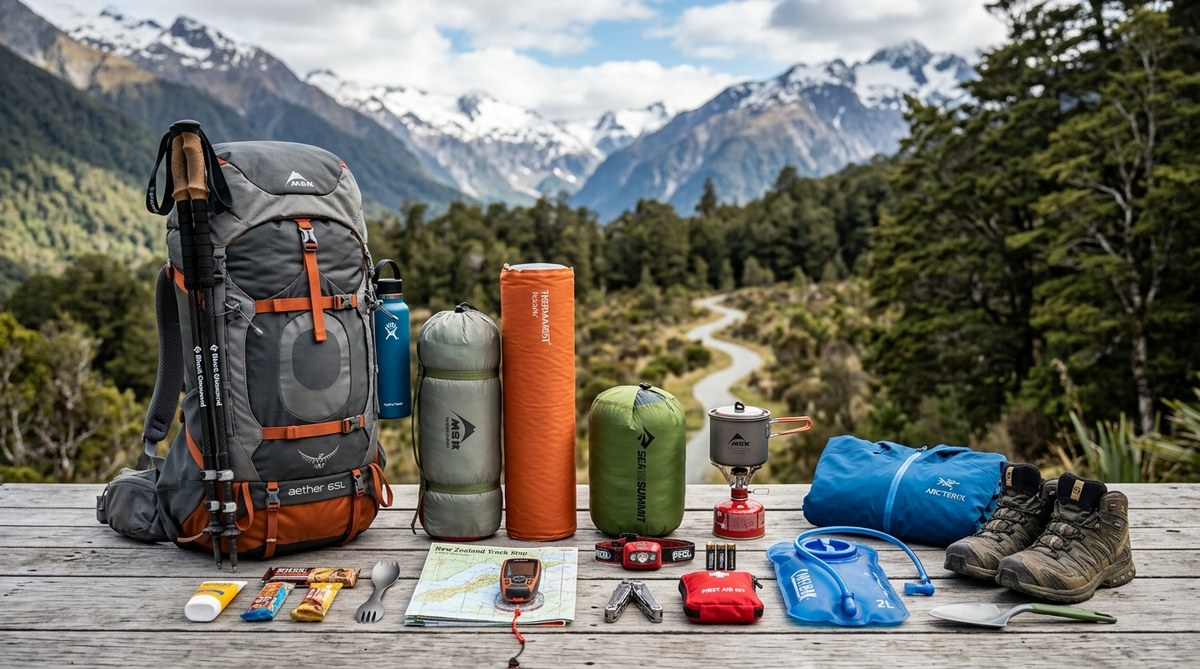
Embarking on a long-distance wilderness hike demands more than just a love for adventure. It requires careful planning and packing the right gear to handle unpredictable conditions, rugged terrain, and long days on the trail. The best gear isn’t necessarily the most expensive or high-tech, but those items that combine durability, functionality, and comfort. When you’re miles from civilization, your gear becomes your lifeline, making every piece crucial for a successful trip.
Choosing the right gear for long-distance wilderness hikes ensures safety, comfort, and enjoyment. Focus on durable, lightweight, and multi-purpose items that can withstand tough conditions and keep you prepared for anything the trail throws your way.
Building Your Essential Long-Distance Hiking Gear List
Getting your gear right starts with understanding what truly matters on the trail. Here is a comprehensive breakdown of must-have gear for long-distance wilderness hikes, designed to keep you comfortable, safe, and ready for adventure.
1. The Backpack That Fits Your Journey
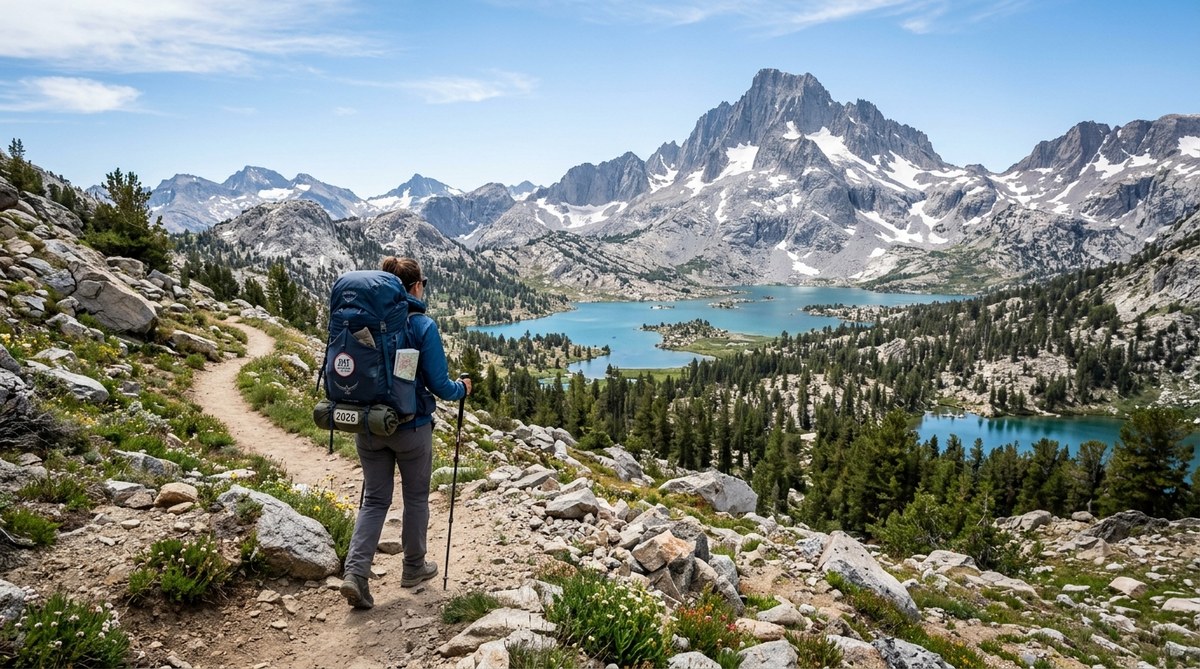
Your backpack is your home away from home. It needs to fit well, be durable, and have enough capacity to carry everything you need without weighing you down.
- Look for a pack with an adjustable fit and padded straps.
- Capacity should match your trip length; generally, 50-70 liters works well for multi-day hikes.
- Features like multiple compartments, hydration sleeve, and gear loops make packing more efficient.
A popular choice among long-distance hikers is the Osprey Atmos AG, known for its comfort and ventilation.
2. Comfortable and Reliable Footwear
Footwear can make or break your hike. The right boots or shoes should provide support, grip, and comfort over long distances and rough terrain.
- Opt for waterproof yet breathable shoes or boots.
- Break them in before your trip to prevent blisters.
- Consider lightweight trail runners for faster-paced hikes or if you prefer a more flexible fit.
Brands like Altra and Salomon offer shoes that many long-distance hikers swear by for their durability and comfort.
3. Sleeping System for Restful Nights
Quality sleep is vital during long hikes. Your sleeping gear should be lightweight, compact, and suited to the expected weather.
- Choose a sleeping bag rated for temperatures you’ll encounter.
- Pair with a sleeping pad to insulate and add comfort.
- Consider a compressible down or synthetic bag depending on your climate and budget.
The Sea to Summit Therm-a-Rest sleeping pads are favored for their lightweight and durability.
4. Navigation and Safety Tools
Staying on track and being prepared for emergencies can save your trip. Essential gear includes:
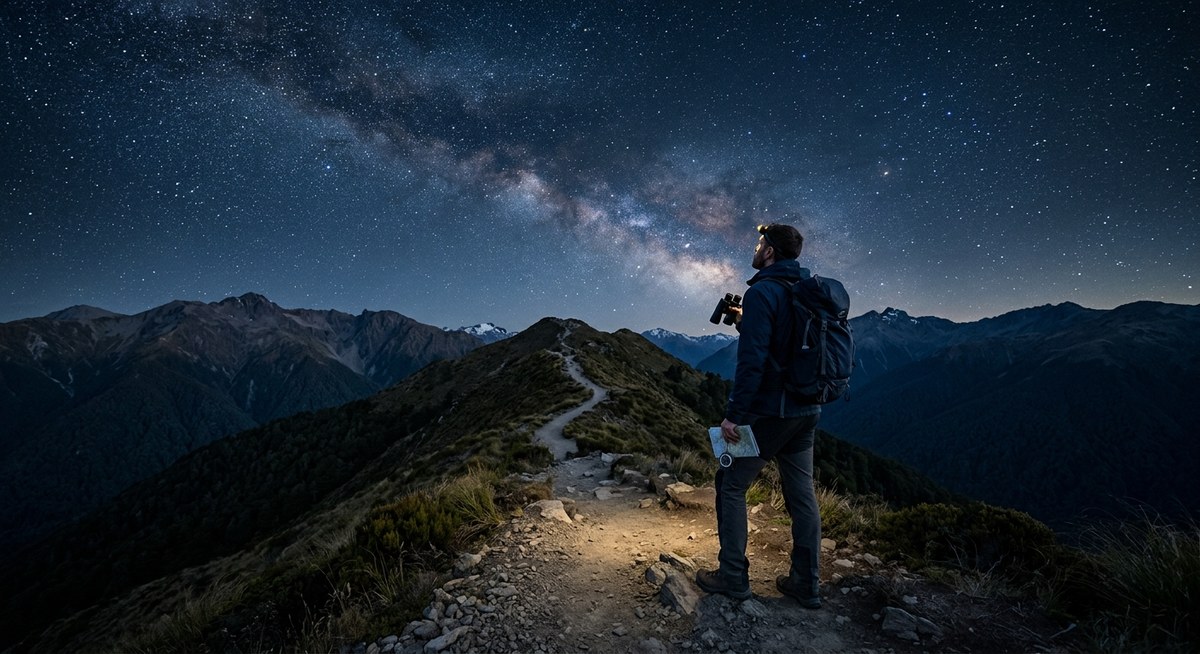
- A reliable GPS device or a detailed topo map and compass.
- A personal locator beacon or satellite messenger, like the Garmin inReach Mini.
- A whistle, headlamp, and small mirror for signaling.
Expert tip: Always learn how to use your navigation tools before hitting the trail. Practice with your map and compass regularly.
5. Hydration and Nutrition Supplies
Staying hydrated and fueled is non-negotiable. Carry enough water and plan for purification methods.
- Use a hydration bladder or bottles for easy access.
- Pack a lightweight water filter such as the Sawyer Squeeze for refilling from streams.
- Bring high-calorie, lightweight snacks like trail mix, energy bars, and dehydrated meals.
6. Clothing for All Conditions
Layering is key to staying comfortable. Pack clothing that can be added or removed as needed.
- Base layers that wick moisture away.
- Insulating layers like fleece or down jackets.
- Waterproof and windproof outer layers.
- Extra socks and a hat for sun protection.
7. Emergency and First Aid Kits
Safety gear should be tailored to your trip length and environment.
- A basic first aid kit with bandages, antiseptic, pain relievers, and blister treatment.
- Emergency shelter or bivvy bag.
- Multi-tool or knife.
Remember: Keep your first aid kit updated and know how to use everything inside. It can make the difference in an emergency.
8. Optional but Valuable Extras
Beyond essentials, consider these items to improve your experience:
- Trekking poles for stability.
- Lightweight camp shoes.
- Solar charger or power bank.
- Small repair kit for gear fixes.
- Camera or journal for documenting your journey.
Techniques and Mistakes to Avoid
| Techniques | Common Mistakes |
|---|---|
| Test gear before your trip | Overpacking heavy or unnecessary items |
| Pack in a balanced way | Forgetting to secure loose items |
| Use lightweight gear where possible | Skipping maintenance or gear checks |
| Prioritize durability and comfort | Ignoring weather forecasts and trail conditions |
| Practice navigation skills | Relying solely on electronic devices without backup |
Expert Advice for Long-Distance Hikers
“Invest in gear that lasts and serves multiple purposes. Lightweight and durable gear can make a huge difference in your comfort and safety over long miles.” — seasoned thru-hiker
Wrap Up Your Trail Readiness
Every piece of gear you choose should serve a purpose and contribute to your overall comfort and safety. Think of your backpack as your mobile home, your shoes as your foundation, and your navigation tools as your guides. Preparing with the right gear turns a challenging wilderness hike into an enjoyable adventure.
Take the time to research, test, and pack thoughtfully. When you’re out on the trail, it’ll be your confidence in your gear that allows you to embrace the journey fully. Pack smart, hike safe, and enjoy every mile of your wilderness adventure.

Leave a Reply