
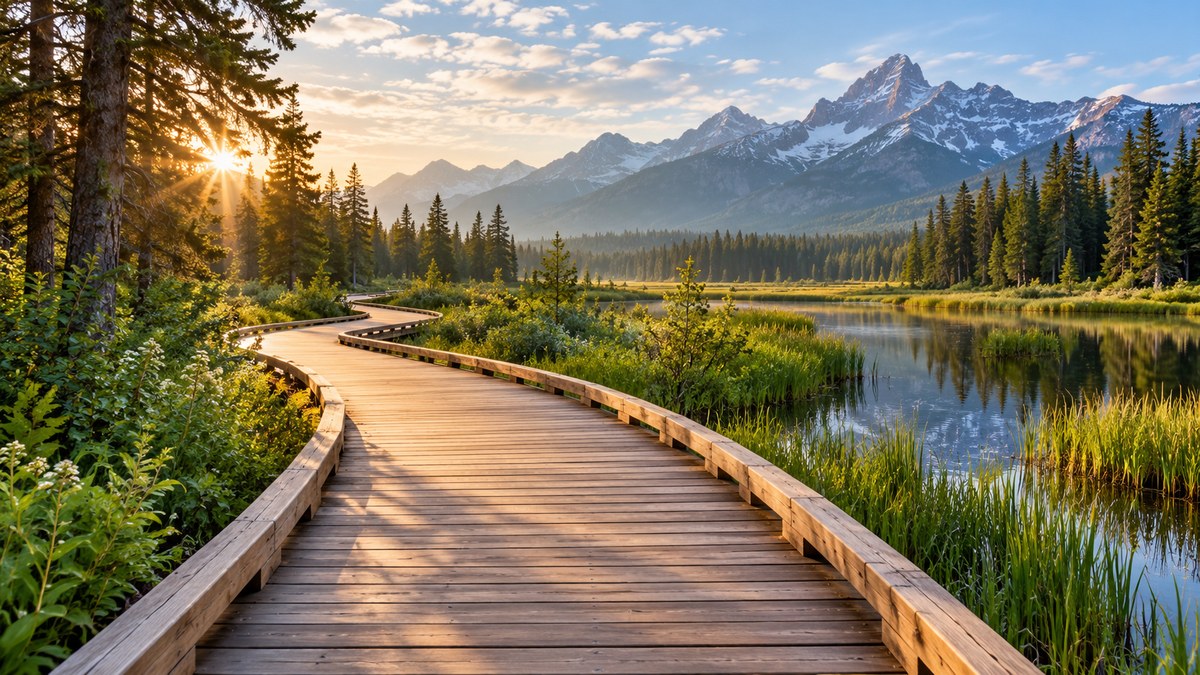
The crunch of gravel underfoot. The whisper of wind through cypress trees. The flash of a blue heron taking flight. For anyone who loves the outdoors, these moments are pure gold. But if you use a wheelchair, push a stroller, or have trouble with uneven terrain, finding a trail that feels safe and welcoming can be a challenge. That is where boardwalk trails shine. These raised, flat pathways glide over wetlands, forests, and coastal dunes, giving everyone a front-row seat to nature. We have rounded up six of the best accessible boardwalk trails in the USA. Each one offers a smooth surface, incredible views, and a proper dose of fresh air.
The best accessible boardwalk trails in the USA combine smooth, flat surfaces with immersive natural beauty. From the cypress swamps of South Carolina to the volcanic landscapes of Hawaii, these six trails offer wheelchair-friendly routes, stroller-ready paths, and gentle grades suitable for older adults. Each trail provides a safe, scenic outdoor experience without the need for rugged hiking boots.
Why Boardwalk Trails Work for Everyone
Boardwalks solve a simple problem. They lift you above mud, roots, and rocks, creating a path that is stable and predictable. For someone using a walker or a wheelchair, that stability is everything. For a parent pushing a stroller, it means no bouncing over tree roots. For an older adult with a bad knee, it means a walk that does not end in a twist or a fall.
These trails also protect the environment. By keeping feet off fragile soil, boardwalks help preserve the very ecosystems they let you see. You get to watch a marsh come alive without trampling the cattails. You can stand over a river and watch fish swim below without disturbing the bank.
What to Look for in an Accessible Boardwalk Trail
Not all boardwalks are created equal. Before you load up the car, check these details.
| Feature | Why It Matters | What to Check |
|---|---|---|
| Surface material | Wood or composite planks offer good grip when dry. Some can get slippery after rain. | Look for textured or grooved surfaces. |
| Width | A wider path allows two wheelchairs to pass. | Look for at least 48 inches wide. |
| Grade | Steep ramps are hard to navigate. | Check for slopes under 5 percent. |
| Railings | Handrails provide support and confidence. | Look for rails on both sides, especially over water. |
| Rest areas | Benches and overlooks let you rest or turn around. | Check trail maps for pull-offs. |
| Parking | Accessible parking should be close to the trailhead. | Look for van-accessible spaces with an access aisle. |
The 6 Best Accessible Boardwalk Trails in the USA
1. Boardwalk Loop Trail, Congaree National Park, South Carolina
This is the gold standard for accessible boardwalks in a national park. The Boardwalk Loop Trail is a 2.4-mile loop that rises on a wooden platform through one of the last old-growth bottomland hardwood forests in the country. The trail is completely flat, wide enough for two wheelchairs, and has plenty of benches along the way.
You will walk through a cathedral of towering bald cypress and tupelo trees. In spring, the forest floor glows with ferns and wildflowers. In summer, the canopy blocks the heat, keeping the trail cool. Keep an eye out for river otters, barred owls, and the occasional alligator sunning on a log.
The visitor center offers free wheelchair loans, and the parking lot has designated accessible spaces. This trail is a must for anyone looking for the best accessible boardwalk trails in the USA.
2. Shark Valley Tram Road, Everglades National Park, Florida
Shark Valley is a 15-mile loop, but you do not have to walk the whole thing. A tram tour runs along the paved road, and there is a short, accessible boardwalk at the observation tower. The real draw is the wildlife. You will see alligators basking right next to the path, herons stalking fish in the shallows, and maybe even a Florida panther if you are lucky.
The observation tower at the midway point is fully accessible via a gentle ramp. From the top, you get a 360-degree view of the River of Grass stretching to the horizon. The boardwalk sections near the visitor center are short but packed with bird life. Bring binoculars and a camera.
3. South Rim Trail, Grand Canyon National Park, Arizona
The South Rim Trail is not a boardwalk in the traditional sense, but much of it is paved and fully accessible. The section from Mather Point to the Yavapai Geology Museum is about a mile of flat, paved path with stunning canyon views. The trail has several viewpoints with accessible railings and benches.
For a true boardwalk experience, take the Trail of Time. This paved, accessible path runs along the rim and features bronze markers embedded in the sidewalk that explain the geology of the canyon. It is a gentle, educational walk with views that will leave you speechless. The park also offers free wheelchair loans at the visitor center.
4. Bear Lake Loop, Rocky Mountain National Park, Colorado
Bear Lake is one of the most popular spots in Rocky Mountain National Park, and for good reason. The lake sits at 9,475 feet, ringed by pine forest and towering peaks. The trail around the lake is a 0.6-mile loop with a paved surface that is suitable for wheelchairs and strollers.
The trail is mostly flat, with a few gentle grades. You will pass through stands of aspens and lodgepole pines, with views of Hallett Peak and Flattop Mountain reflected in the clear water. The parking lot has accessible spaces, and the Bear Lake shuttle runs accessible buses during peak season. This is a great choice for families with young kids or anyone who wants a short, scenic walk at altitude.
5. The Bog Trail, Central Pennsylvania
This hidden gem is a 0.3-mile ADA-accessible boardwalk that winds through a mountain bog. The Bog Trail is part of the greater State Game Lands system and offers a rare chance to see carnivorous plants, orchids, and sphagnum moss up close. The boardwalk is narrow but well-maintained, with a gentle grade and handrails on both sides.
The trail loops through a wetland that is home to pitcher plants, sundews, and dozens of dragonfly species. It is a quiet, meditative walk that feels far from civilization. The parking area is small, so arrive early. This trail is perfect for nature lovers who want to see something unusual without a strenuous hike.
6. The Kilauea Iki Trail, Hawaii Volcanoes National Park, Hawaii
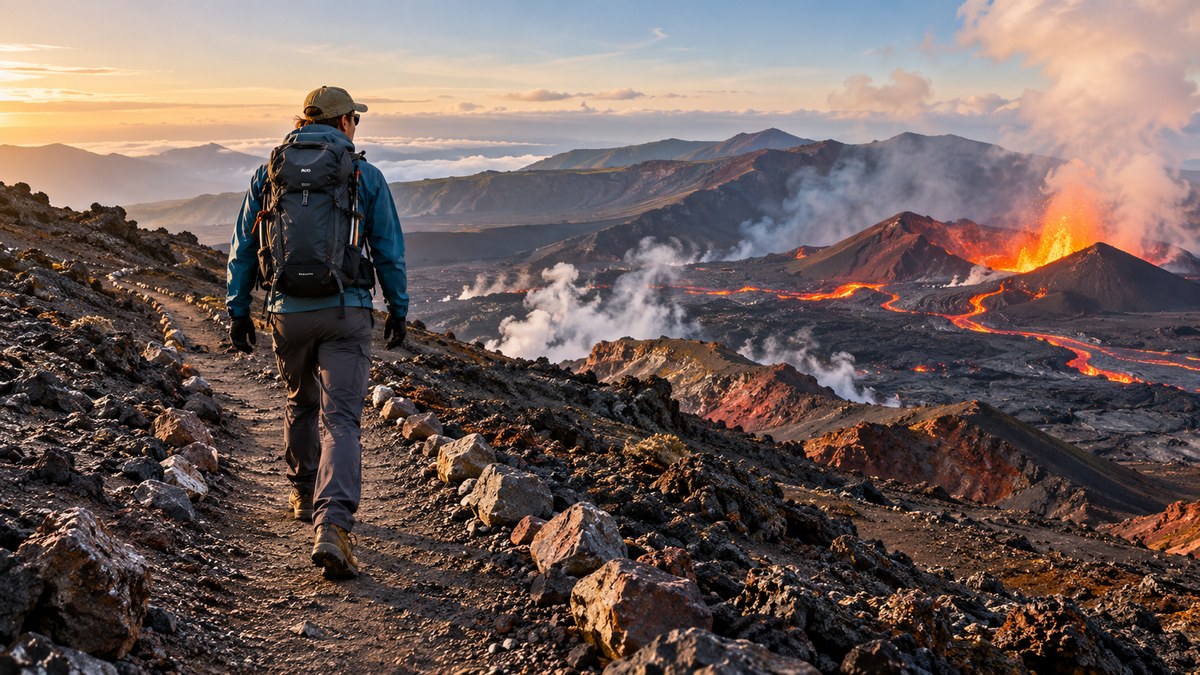
This is a short, paved trail that crosses the floor of the Kilauea Iki crater. The trail is about 0.5 miles long and is fully accessible. You walk across a hardened lava lake that last erupted in 1959, surrounded by steam vents and cinder cones. The surface is smooth and wide, with interpretive signs that explain the volcanic history of the area.
The trail starts from the Kilauea Visitor Center, which has accessible parking and restrooms. The views are otherworldly. You can see the distant summit of Mauna Loa and the crater walls rising around you. This is a one-of-a-kind accessible boardwalk experience that you will not find anywhere else.
How to Plan Your Accessible Boardwalk Adventure
Planning ahead makes the trip smoother. Here is a simple process to follow.
- Check the trail conditions online. National park websites update trail conditions regularly. Look for recent reports on surface quality, construction, or closures.
- Call the visitor center. Rangers can tell you about current conditions, wheelchair availability, and any special programs.
- Pack the right gear. Bring water, sunscreen, a hat, and a light jacket. Even short boardwalks can be exposed to sun and wind.
- Bring a backup plan. If the boardwalk is closed, have another trail in mind. Many parks have multiple accessible options.
- Go early. Boardwalks get crowded, especially in summer. Arriving before 9 a.m. gives you a quieter experience and better wildlife viewing.
“The best accessible boardwalk trails are the ones that let you forget you are on a trail at all. You are just there, in the moment, watching the world go by.” – Ranger Sarah Mitchell, Congaree National Park
Gear That Makes the Trip Easier
Having the right equipment can turn a good trip into a great one. Here are a few items worth considering.
- All-terrain wheelchair wheels. These wider wheels handle gravel and packed dirt better than standard ones.
- A portable ramp. If you need to get over a curb or a low step, a small folding ramp can help.
- A lightweight daypack. Keep your hands free for steering or holding a rail.
- A reusable water bottle with a clip. Hydration is key, especially in warm climates.
For more advice on what to bring, check out our guide on
Common Missteps to Avoid
Even experienced hikers can make mistakes when planning an accessible trip. Here are a few things to watch for.
- Assuming “accessible” means “easy.” Some accessible trails have long distances or steep grades. Always check the specifics.
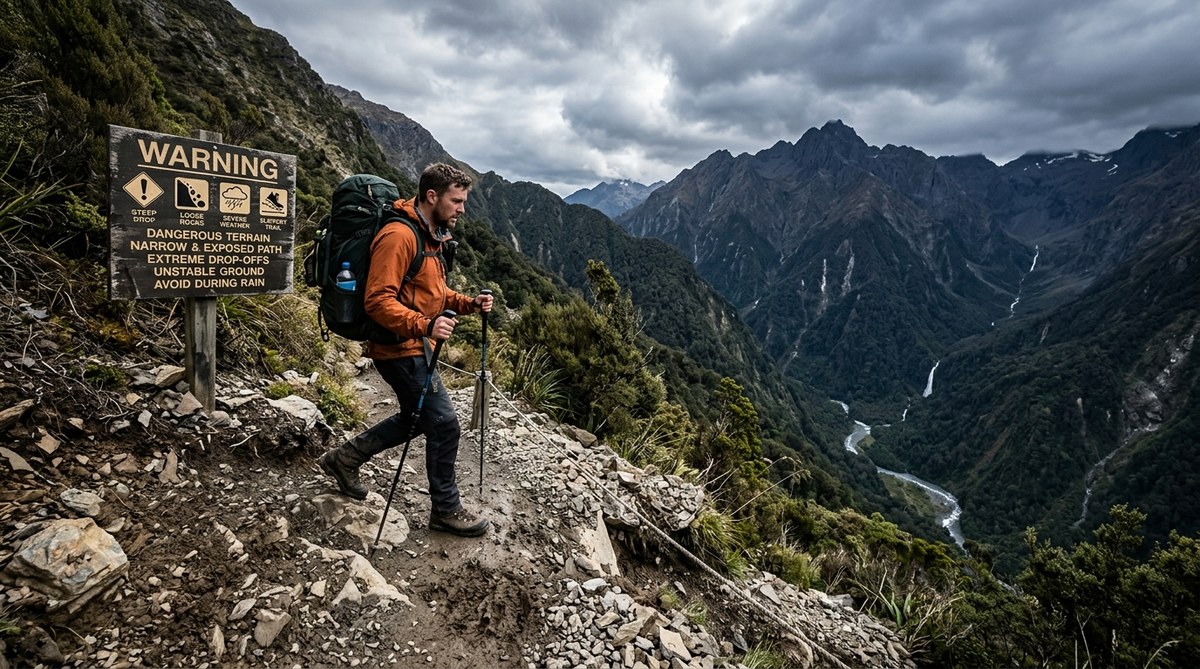
- Forgetting about weather. Boardwalks can be slippery when wet. Rain also brings out mosquitoes and other bugs.
- Skipping the reservation. Some popular trails, like Bear Lake Loop, require a timed entry permit during peak season.
- Not checking for construction. Parks close boardwalks for maintenance. A call ahead saves a wasted drive.
Making the Most of Your Time on the Trail
Once you are on the boardwalk, slow down. These trails are designed for a gentle pace. Stop at the benches. Read the interpretive signs. Watch the water for ripples that signal a fish or a turtle. Listen for bird calls.
If you are with kids, turn it into a game. Count how many different shades of green you can see. Spot five different kinds of birds. Find a leaf that has fallen on the boardwalk and guess what tree it came from.
If you are alone, use the time to clear your head. The rhythm of walking on a flat boardwalk is almost meditative. Let your mind wander. Breathe deeply.
A Note on Etiquette
Boardwalks are shared spaces. Keep these simple rules in mind.
- Stay to the right. Let faster walkers pass on the left.
- Keep pets on a short leash. A long leash can trip other walkers.
- Do not block the path. Stop at the benches or pull-offs to take photos.
- Leave no trace. Pack out all trash, including apple cores and banana peels.
Why These Trails Matter
The best accessible boardwalk trails in the USA do more than just provide a walk. They offer a way for people of all abilities to connect with the natural world. They prove that a disability, a stroller, or a pair of tired knees does not have to keep you from experiencing the beauty of a forest, a marsh, or a canyon.
These six trails are just a starting point. There are hundreds of accessible boardwalks across the country, from the Maine coast to the California redwoods. Each one is a invitation to step outside, breathe deep, and see what the wild has to offer.
So pick one. Pack your bag. Call the park. And then go. The boardwalk is waiting.


Leave a Reply