
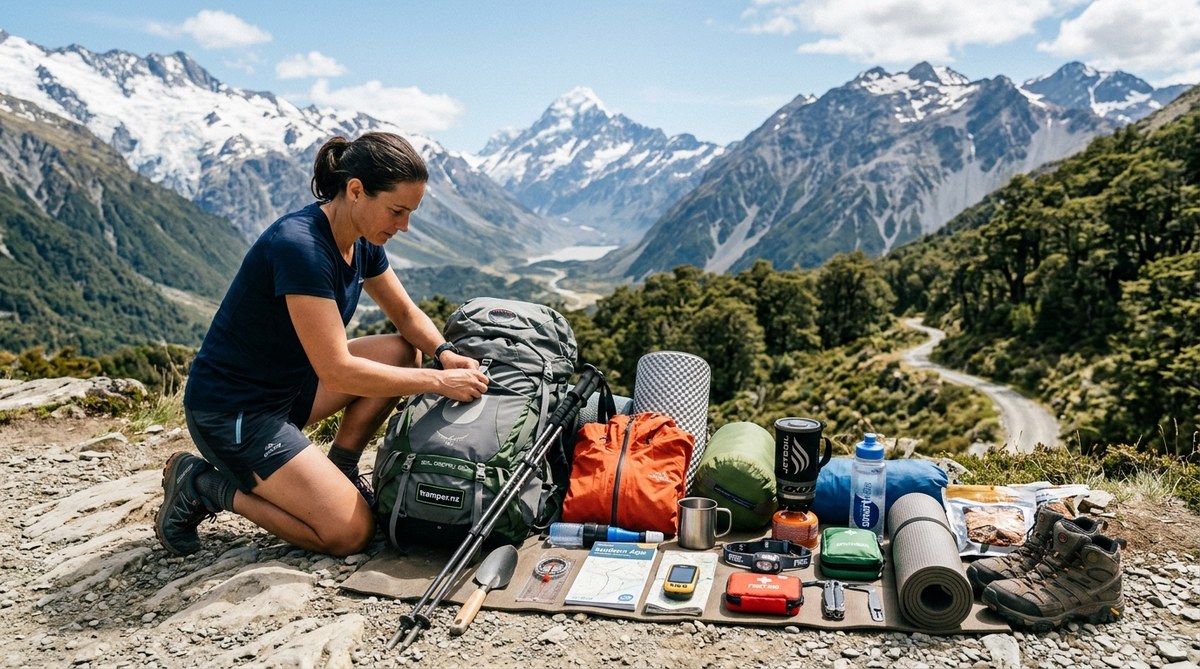
Hiking long trails can be one of the most rewarding adventures you undertake. But to enjoy every step without worry, having the right gear is essential. From lightweight packs to navigation tools, every item plays a role in your safety and comfort. Whether you are planning a multi-day trek or a long-distance hike, being well-prepared makes all the difference. Let’s dive into the essential outdoor gear every hiker should pack for long trails.
Having the right outdoor gear ensures safety, comfort, and confidence on long trails. Focus on lightweight, durable, and functional items that suit your specific hike. Proper preparation transforms a challenging trail into a memorable adventure.
Understanding the core of hiking gear
The key to a successful long-distance hike lies in balancing weight, functionality, and durability. Gear should serve its purpose without adding unnecessary bulk. Think of every item as an extension of your safety net and comfort zone. When packing for extended trails, prioritize versatile gear that can handle changing weather, terrain, and unexpected situations.
Must-have outdoor gear for hikers
- Reliable Backpack
A sturdy, comfortable pack is the foundation of your gear setup. Look for a model that offers adjustable straps, enough capacity for your needs, and proper weight distribution. Popular options include the Osprey Talon 33 or similar packs that balance weight with durability.
Knowing your route is crucial, especially on long trails where cell reception might be spotty. A GPS device such as the Garmin inReach Mini 2 provides satellite communication and location tracking. Carry a detailed map and compass as backups.
- Appropriate footwear
Footwear impacts your comfort, injury prevention, and overall experience. Choose lightweight, waterproof hiking shoes or boots suited to the terrain. Brands like Altra, with their Lone Peak series, are popular among long-distance hikers.
- Lightweight clothing layers
Weather can change rapidly on trails. Pack moisture-wicking base layers, insulating mid-layers, and waterproof outer layers. Always consider the climate and pack accordingly to stay dry and warm.
- Shelter and sleep system
A compact tent or hammock, combined with a sleeping bag rated for the expected temperatures, ensures restful nights. Ultralight options help keep your pack manageable over long distances.
- Water filtration and hydration
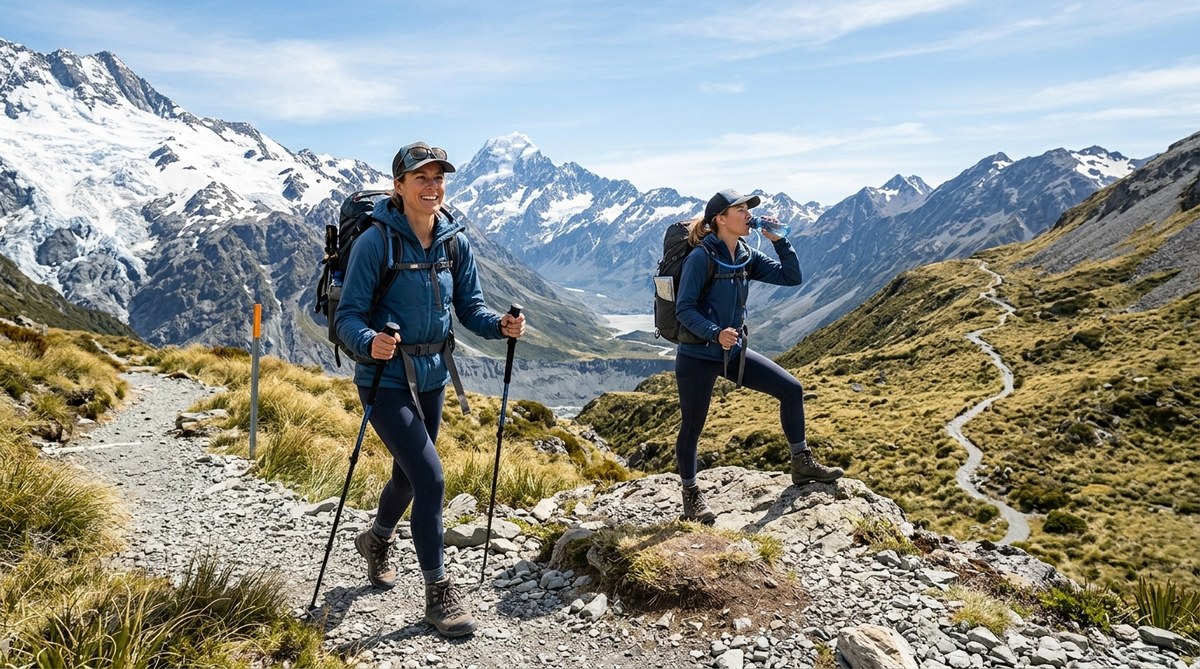
Access to clean water is vital. Carry a water filter such as the Sawyer Squeeze and a collapsible CNOC bag for easy water management. Hydration bladders or bottles should be lightweight and leak-proof.
- Safety and emergency gear
An emergency kit should include a basic first aid kit, whistle, multi-tool, and fire-starting supplies. Consider a personal locator beacon if venturing into remote areas.
- Lighting
A headlamp like the Nitecore NU25 provides hands-free illumination. Always carry extra batteries or a power bank.
- Food and fuel
Plan for high-calorie, lightweight snacks and meals suitable for your hike duration. Portable stoves and fuel canisters are essential for longer trips.
Techniques for packing and avoiding common mistakes
Packing smart is as important as choosing the right gear. Use a systematic approach:
| Technique | Mistake to Avoid |
|---|---|
| Pack heavy items close to your back | Carrying weight unevenly causes fatigue |
| Distribute gear evenly in the pack | Overpacking with unnecessary items |
| Pack essential items in accessible pockets | Forgetting important gear when needed |
| Use compression sacks for clothing | Leaving space for unnecessary items |
“Always test your gear before heading out on a long trail,” advises experienced hiker Jamie. “This way, you can identify what works and what doesn’t, saving you trouble on the trail.”
Clothing and accessories that make a difference
Long hikes demand thoughtful clothing choices. Alongside moisture-wicking shirts and durable pants, consider packing a hat for sun protection and sunglasses. Lightweight gloves and buff scarves add versatility. Don’t forget waterproof rain gear to handle sudden storms.
Footwear considerations for long-distance hikes
Your shoes are your connection to the trail. Invest in well-fitted boots or shoes with good grip and support. Break them in before long hikes to prevent blisters. Carry extra socks to change into if your feet get wet or sweaty.
Staying organized and light
Every ounce counts when you’re on a long trail. Use packing cubes or stuff sacks to organize gear efficiently. Keep your essentials within easy reach. Remember, a lighter pack reduces fatigue and allows you to cover more ground comfortably.
Final tips for long trail readiness
- Prioritize multi-use gear to save space.
- Regularly check weather forecasts and adjust gear accordingly.
- Practice setting up your shelter and using navigation tools before the trip.
- Share your plans with someone and check in periodically.
- Respect the environment by packing out all trash and minimizing impact.
Planning your gear with purpose
Every item in your pack should serve a clear purpose. Think of your gear as your safety net and comfort zone. When you prepare thoughtfully, each step on the trail becomes more enjoyable. Remember, the right gear is an investment in your safety, comfort, and overall experience.
A final word on gear for long trails
Packing for long hikes is a balancing act. Focus on essentials that are lightweight, durable, and versatile. Test your gear beforehand and pack with intention. With the right setup, you’ll be ready to embrace the trail and create unforgettable memories along the way. Happy hiking, and may your gear support every adventure ahead!

Leave a Reply