
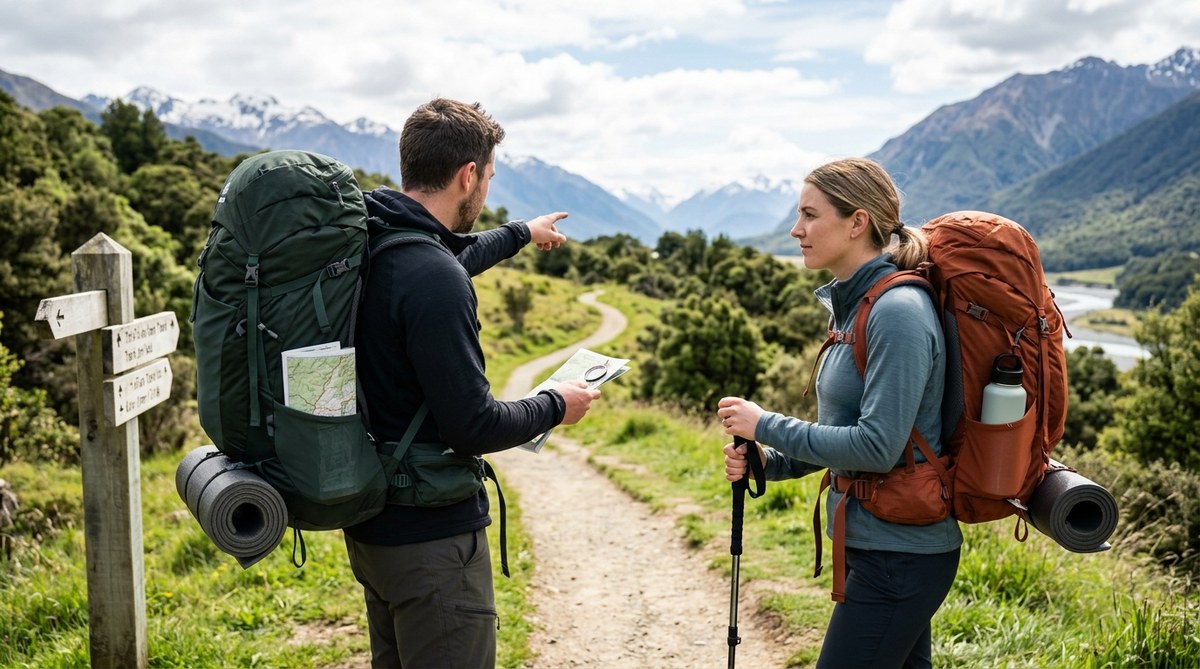
Hiking along scenic trails is a wonderful way to connect with nature and recharge. But a successful hike depends on more than just good weather and a scenic route. Safety should always be a top priority, especially for beginners or those venturing into unfamiliar terrain. With proper planning and awareness, you can make your outdoor experience enjoyable and secure. Whether you’re tackling a local trail or planning a longer adventure, these trail hike safety tips will guide you every step of the way.
Proper planning, wearing the right gear, staying aware of your surroundings, and knowing how to handle emergencies are key to a safe and enjoyable trail hike. Preparation boosts confidence and helps prevent accidents, ensuring your outdoor adventure remains memorable for all the right reasons.
Know your trail and plan ahead
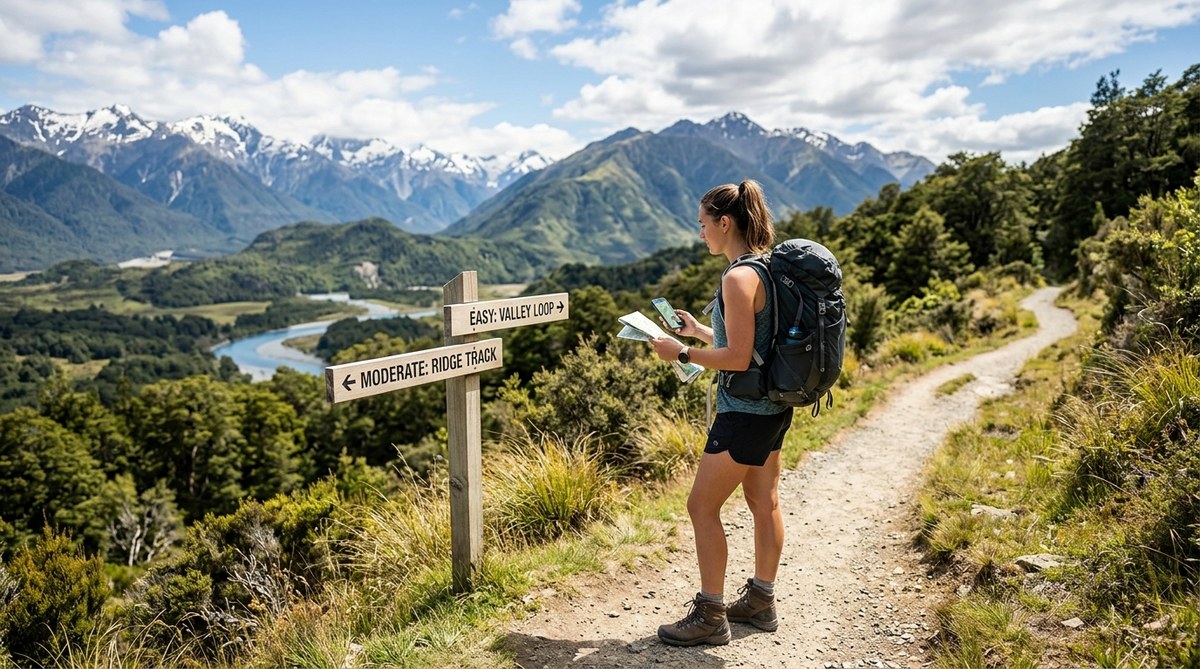
Before you step onto a trail, research is your best friend. Understanding the trail’s difficulty, length, and terrain helps you pick a route suited to your fitness level and experience. Review maps, trail conditions, and weather forecasts. Websites and apps like Trails.nz provide detailed trail guides and updates. If you’re new to the area, consider reaching out to local ranger stations or outdoor clubs for tips and advice.
Tips for effective trail planning
- Choose the right trail based on your fitness and experience. Start with shorter, well-marked paths if you’re a beginner.
- Check weather conditions before heading out. Sudden rain or high winds can make trails dangerous.
- Inform someone about your plans. Share your route, expected return time, and emergency contacts.
- Plan your timing to avoid hiking in low visibility or after dark.
- Have a backup plan in case trail conditions change unexpectedly.
Pack essential safety gear
Carrying the right gear can make a big difference in an emergency. Here’s a checklist to help you prepare:
- Map and compass or GPS device
- Fully charged mobile phone with extra power bank
- First aid kit with basic supplies
- Adequate water and snacks
- Weather-appropriate clothing
- Sun protection like sunscreen and sunglasses
- Emergency whistle and flashlight
- Multi-tool or pocket knife
- Personal identification and any necessary permits
How to pack smart
- Keep your essentials accessible.
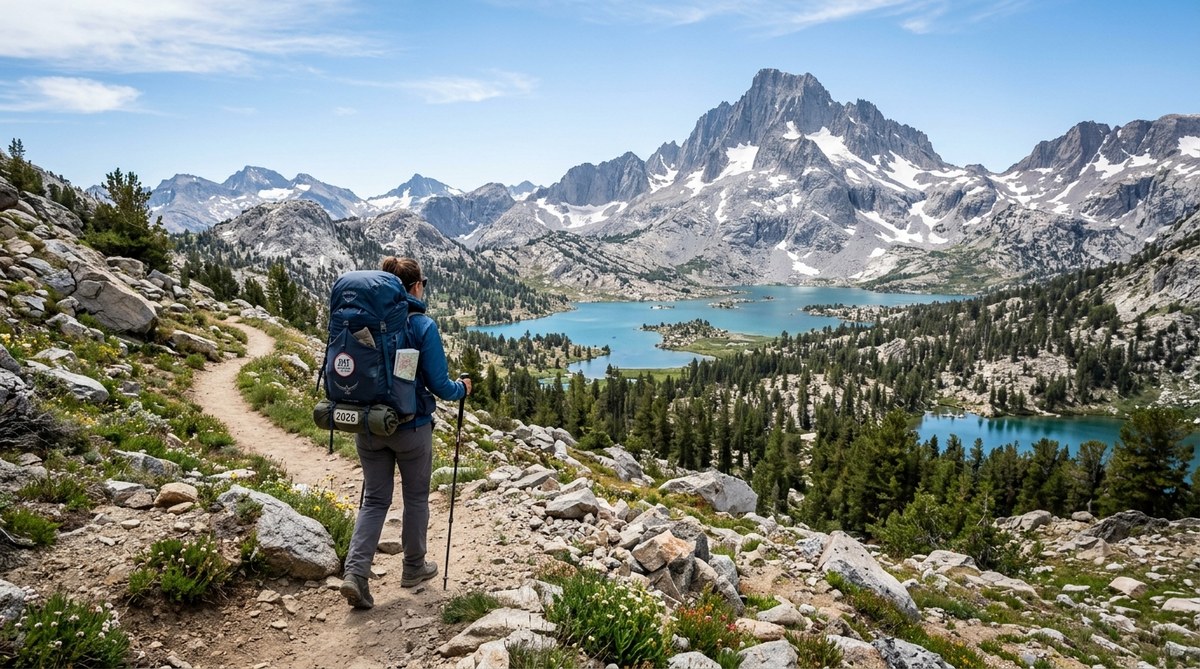
- Use a lightweight backpack to avoid fatigue.
- Pack extra layers if there’s a chance of weather changes.
- Carry a small trash bag to leave no trace.
Stay aware of your surroundings
While enjoying the trail, constant awareness is crucial. Stay alert for changes in weather, trail markers, and wildlife activity. Pay attention to your footing to avoid slips and falls, especially on uneven or slippery surfaces. Listening to your surroundings can alert you to potential hazards like falling branches or approaching animals.
Tips for staying alert
- Take regular breaks to assess your environment.
- Avoid distractions like excessive chatting or listening to loud music.
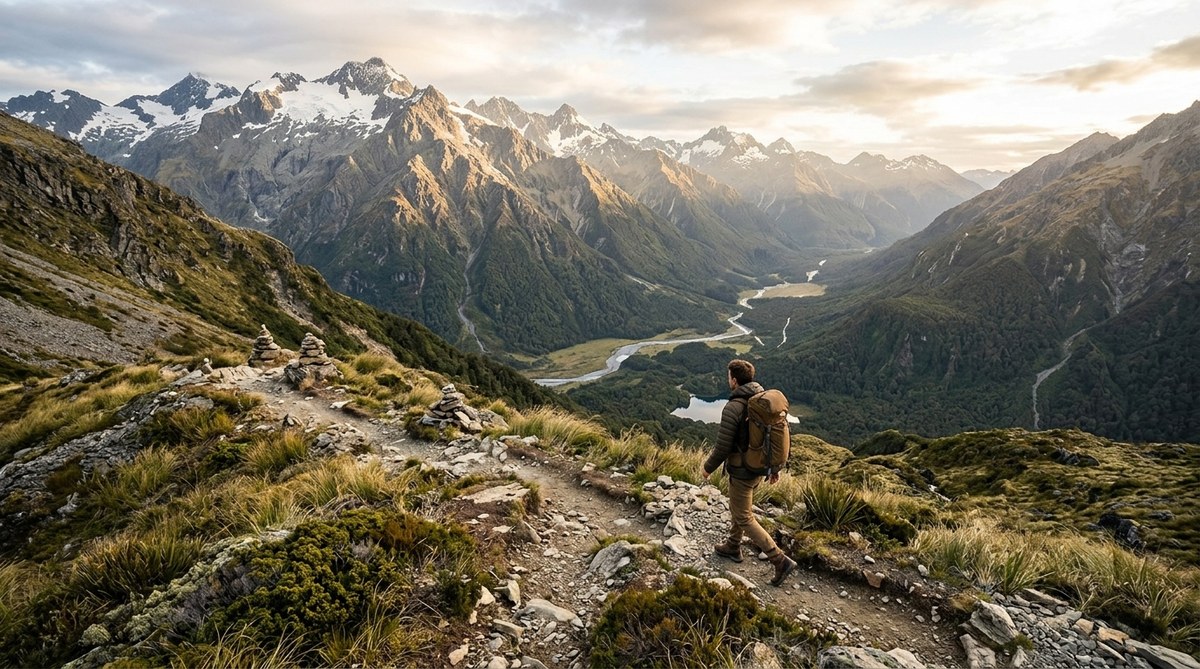
- Observe trail markers and cairns to stay on route.
- Watch out for trail signs indicating hazards such as unstable ground or wildlife warnings.
Practice trail safety techniques
Knowing how to handle common situations can prevent accidents. Here are effective techniques:
| Technique | What it achieves | Common mistakes |
|---|---|---|
| Staying on the trail | Protects fragile ecosystems and prevents getting lost | Straying from marked paths |
| Checking weather updates | Avoids being caught in dangerous conditions | Ignoring weather warnings |
| Proper pacing | Prevents exhaustion and injury | Overexerting early in the hike |
| Using trekking poles | Improves stability on rough terrain | Rigid grip or improper use |
| Communicating with your group | Keeps everyone aware of changes or issues | Walking too far apart |
Expert tip: “Always carry a means of communication and ensure someone knows your plan. In remote areas, a satellite device can be lifesaving,” advises outdoor safety specialist Laura Jensen.
Avoid common trail safety mistakes
Even seasoned hikers can slip up if they’re not careful. Here’s what to avoid:
- Underestimating trail difficulty or your fitness level
- Forgetting to check weather conditions
- Not carrying enough water or supplies
- Ignoring trail signs or warnings
- Venturing off marked paths
- Overloading your pack, making movement difficult
- Rushing through sections without caution
- Failing to communicate your plans and expected return time
Using a simple table helps clarify what to do and what to avoid:
| Technique | Mistake to avoid |
|---|---|
| Planning your route | Ignoring trail difficulty and length |
| Packing essentials | Forgetting water or navigation tools |
| Monitoring weather | Hiking in storms or extreme heat |
| Communicating | Not informing someone of your plans |
Handling emergencies on the trail
Accidents happen, even to the most prepared. Knowing some basic emergency responses ensures you can handle minor injuries or unexpected situations confidently.
- In case of injury: Apply first aid, immobilize broken limbs, and seek help if needed.
- Lost or disoriented: Stop, stay calm, and retrace your steps if possible. Use your map or GPS to reorient.
- Wildlife encounters: Keep calm, give animals space, and avoid provoking them.
- Sudden weather change: Seek shelter or descend to lower elevations if safe.
Remember, carrying a personal locator beacon or satellite messenger can be a game-changer when venturing into remote areas.
Respect nature and leave no trace
Safety also means being responsible. Stay on marked trails to avoid damaging vegetation and disturbing wildlife. Pack out all rubbish and avoid picking plants or disturbing animals. Respecting nature ensures trails remain safe and scenic for everyone.
Final thoughts on trail hike safety
Every trail offers a chance to connect with nature and unwind. Staying safe allows you to enjoy these moments fully. Proper planning, carrying essential gear, staying aware, and respecting the environment form the foundation of a secure outdoor adventure. Remember that preparation and mindfulness are your best tools for a memorable hike.
Whether you’re just starting or have been hiking for years, integrating these trail hike safety tips into your routine keeps the outdoors a safe, peaceful place. So, get your gear ready, plan your route thoughtfully, and head out with confidence. The trail awaits your footprints.
Keeping the trail safe for everyone
Sharing safety tips and best practices encourages others to enjoy hiking responsibly. When everyone follows these simple guidelines, outdoor adventures become safer and more enjoyable. Take the time to learn, prepare, and respect the natural world. Your next trail journey will be all the more rewarding for it.




Leave a Reply